
Last updated November 24, 2026
 Sweep & inspection
 Caps & crowns
 Flue relining
 Masonry repair
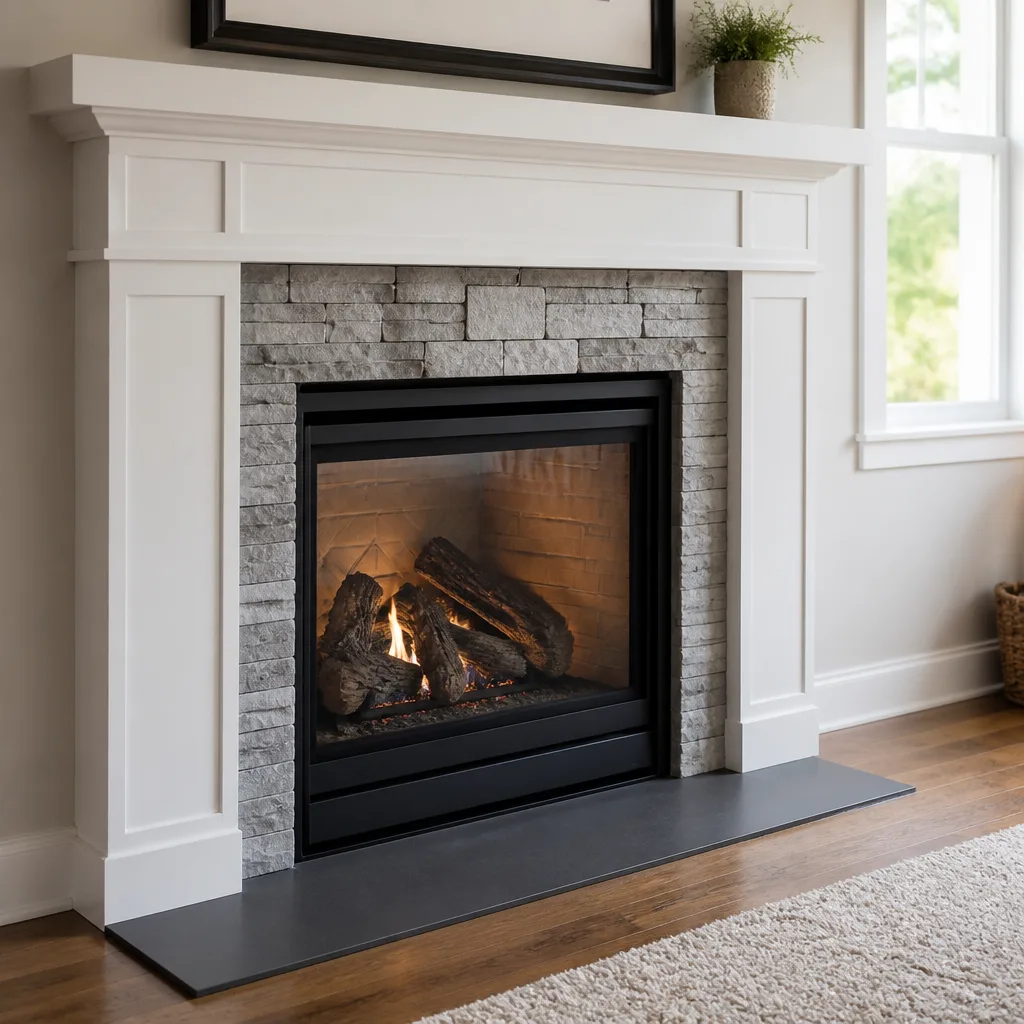 Gas fireplace service
Level 1 sweep and inspection to the NFPA 211 annual standard - flue, crown, cap, and flashing checked and photographed
Chimney sweep logs do not sweep chimneys. They loosen some creosote - which then falls where a brush and vacuum still have to collect it.
Chimney Cleaning Warning Signs: A NoDa Homeowner’s Reference Guide
The white staining on the outside of your chimney isn’t cosmetic. It’s efflorescence, and it’s telling you that water is moving through your masonry from the inside out right now. Most homeowners in NoDa see that chalky bloom and assume it’s paint fade or age. It’s neither. It’s a moisture signal, and it’s the same kind of quiet indicator your car gives you long before the check-engine light. In this guide we’ll translate what chimney professionals actually look for into conditions you can check from your living room, your roofline, or the fireplace opening itself, and we’ll draw the line between “book a cleaning soon” and “stop burning until someone inspects this.”
Quick Answer
The warning signs that most reliably mean your NoDa chimney needs cleaning or inspection are: a sharp, acrid smell when the fireplace is cold; dark, glossy creosote visible on the flue walls or damper; smoke rolling back into the room instead of drawing up; rust or white haze on the firebox and damper plate; and chalky white staining or crumbling brick on the exterior stack. Any of these is a reason to book a professional evaluation. Smoke rollout, a sulfur smell, or debris falling into the firebox from above are reasons to stop using the fireplace until someone inspects it.
Styles & brands we work with
- Sweep & inspection
- Caps & crowns
- Flue relining
- Masonry repair
- Gas fireplace service
Table of Contents
- The Smell Test: What Each Odor From Your Fireplace Means
- Exterior Warning Signs You Can See From the Ground
- Firebox and Smoke Chamber Indicators
- Draft and Performance Warning Signs
- Signs That Mean Stop Burning, Not Just Book a Cleaning
- Why NoDa Chimneys Give Different Warning Signs
- What a Real Inspection Actually Checks
- When a Cleaning Is Enough and When It Isn’t
The Smell Test: What Each Odor From Your Fireplace Means
Your nose is the cheapest diagnostic tool you own, and it’s more accurate than most homeowners realize. A wood-burning fireplace should smell faintly of ash and cold soot when it’s not in use. It should not smell like anything else. Here’s how to read the smell in your NoDa home:
- Musty, damp, or “basement” smell. This usually points to moisture intrusion. Water is getting into the chimney through the crown, the flashing at the roofline, or the masonry itself, and it’s sitting in the flue or smoke chamber. Musty odors often show up after a stretch of humid summer weather in NoDa.
- Sharp, acrid, or bitter smell that stings your eyes. This is the signature of an active creosote problem, particularly the glazed, hardened kind that builds up when wood burns cool or wet. It’s a strong reason to schedule a chimney sweep before the next burn season rather than after.
- Sulfur or rotten-egg smell. This almost never comes from a wood fireplace. It points to a gas appliance problem, a leaking gas line, or a pilot issue on a gas log set. Stop using the appliance and call a gas professional immediately.
- Smoky, campfire smell inside the house when nothing is burning. This is a backdraft signal, often caused by a blocked flue, a closed damper you forgot about, or negative pressure in the house. It’s a reason to book an inspection before the next fire.
If you walk past your fireplace on an ordinary NoDa afternoon and the smell makes you pause, that’s the cue. In our experience, the smells homeowners describe most often trace back to moisture or a creosote layer that’s already thicker than it should be.
Exterior Warning Signs You Can See From the Ground
You don’t need to get on the roof to learn a lot about your chimney. Stand at the base of the stack and look up. Here’s what to check and what each sign means:
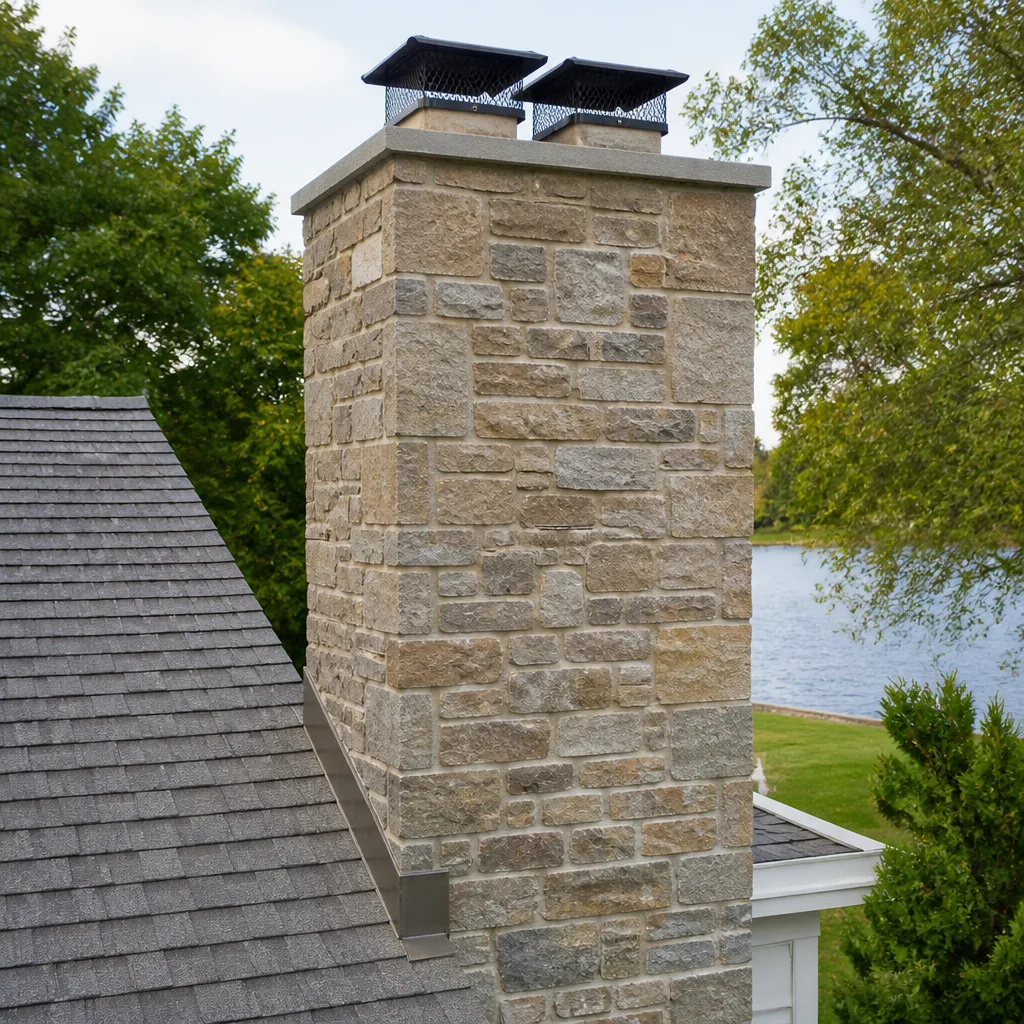
- White, chalky staining on the brick (efflorescence). This is salt pushed to the surface as water moves through the masonry. It’s the single most reliable exterior sign that your chimney is taking on water. Efflorescence doesn’t damage the brick by itself, but the water behind it does.
- Spalling brick, especially near the top or at the base. Spalling means brick faces are flaking, popping, or crumbling off. It happens when water freezes inside the brick and expands. In NoDa, spalling often shows up after a cold snap on chimneys that already had a compromised crown or flashing.
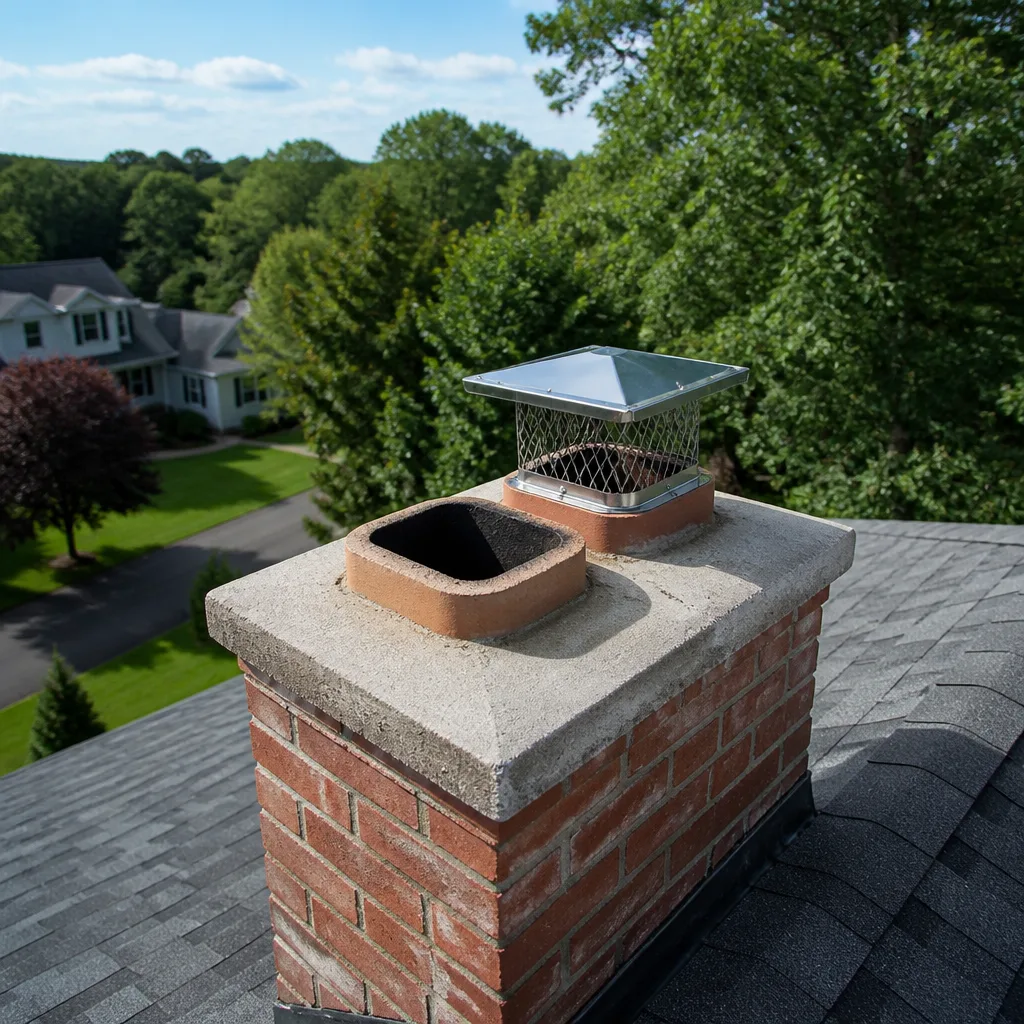
- Cracks in the crown at the roofline. The crown is the concrete cap at the very top of the chimney that sheds water away from the masonry. Hairline cracks are normal wear. Larger cracks, or a crown that’s pulling away from the flue, are a direct path for water into the chimney structure.
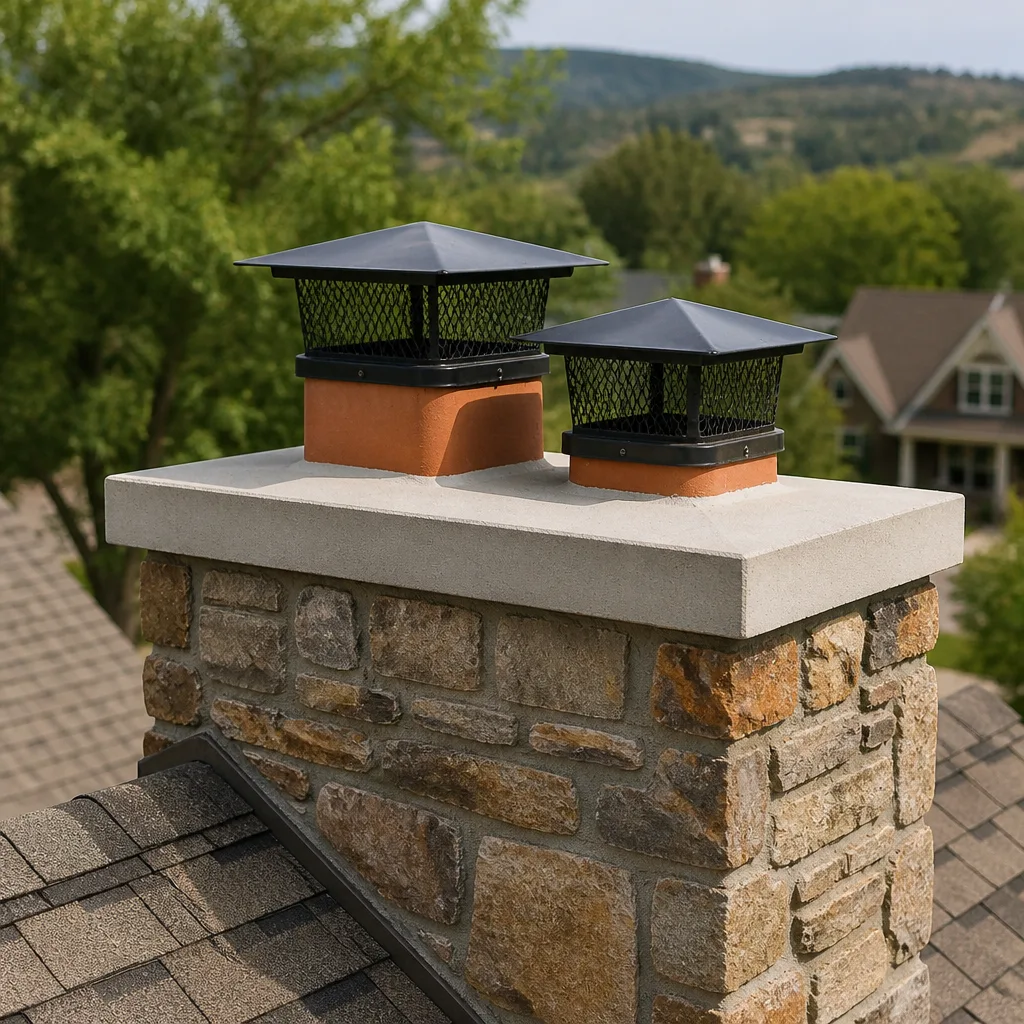
- Missing or damaged spark arrestor or cap. A chimney cap keeps rain, animals, and debris out of the flue. When it’s missing or bent, you’re open to all three. Our chimney cap & crown work handles exactly this kind of water and pest entry.
- Rust stains or streaks on the exterior. Rust on the outside of a metal chimney or on flashing points to long-term water contact. It’s worth an inspection, not a power wash.
Water is the number one enemy of a masonry chimney, and every one of these signs is water’s calling card. Catching them early is the difference between a crown repair and a rebuild.
Firebox and Smoke Chamber Indicators
Open the fireplace doors and look inside with a flashlight. The firebox and smoke chamber will tell you a lot about what’s happening in the chimney above them.
- Rust on the damper plate or damper handle. Dampers are metal, and metal rusts when it’s exposed to moisture. Rust on the damper means water is reaching parts of the chimney it shouldn’t. It can also mean the damper no longer opens or seals fully, which affects draft and heat loss.
- White haze or powder on the firebox walls. That white residue is often a sign of moisture reacting with the masonry, or a byproduct of a fire burning inefficiently. Either way, it’s worth having looked at.
- Flaking debris falling from above. If chunks of masonry, soot, or glazed creosote are dropping into the firebox, the flue above is deteriorating. This is a “stop burning and schedule an inspection” sign, not a “book a cleaning next month” sign.
- Glossy, black, tar-like coating inside the firebox or up the flue. This is stage-three creosote, the kind that’s hardened and difficult to remove. It’s the most combustible form and the most important to address.
- Crumbling mortar joints between firebrick. Firebrick is meant to handle heat, but the mortar between them degrades over time. Crumbling joints let heat reach the surrounding structure, which is a real hazard.
If you’re noticing firebox damage along with a door that doesn’t close or seal properly, that may overlap with your fireplace repair needs. Firebox, damper, and door issues often come up in the same inspection.
Draft and Performance Warning Signs
Draft problems show up as how the fire behaves, not just how it smells or looks. Here’s how to tell what each performance symptom is pointing to:
- Smoke rolling out into the room instead of up the flue. This can mean a blocked flue, an undersized flue, a closed damper, or negative pressure in the house from a competing exhaust fan. It’s the most common draft complaint we hear in NoDa, and it’s always worth an inspection because “smoke roll” and “blocked flue” can look identical from the living room.
- Fires that are slow to start or struggle to stay lit. If your wood is dry and your kindling is right, but the fire takes three tries to catch, the flue is likely not drawing properly. That points to a flue or cap issue.
- Uneven burn or smoke that lingers near the top of the firebox. This usually means the smoke chamber above the damper isn’t shaped or sized to move smoke cleanly. It’s common in older NoDa homes where the original chimney was built for a different style of fireplace insert.
- Popping, crackling, or rumbling sounds that aren’t just the fire. Some sounds are normal. A rumble or low boom during a burn can point to a restricted flue or a draft problem. When in doubt, stop burning and have it inspected.
- Smoke stains on the face of the fireplace or above it. Smoke stains that weren’t there before are a sign the draft has changed. Draft doesn’t usually change on its own – something in the system has.
Draft problems are the most common reason NoDa homeowners call us mid-season rather than at the start of fall. If your fire is working harder than it used to, that’s a system signal.
Signs That Mean Stop Burning, Not Just Book a Cleaning
Not every warning sign is equally urgent. Some mean “schedule a cleaning before the next burn season.” Others mean “do not light another fire until someone inspects this.” Here’s the clear split:
Signs that mean “book a cleaning soon”
- Moderate soot or creosote buildup visible in the firebox
- A musty smell with no smoke rollout
- Minor exterior white staining on brick with no spalling
- Slow-starting fires with dry wood
- A rusty but still functioning damper
Signs that mean “stop burning until inspected”
- Any smoke rolling back into the room
- Debris or masonry chunks falling into the firebox
- A sulfur or rotten-egg smell from a gas appliance
- Visible glazed or tar-like creosote on the flue walls
- Crumbling firebrick or damaged mortar joints in the firebox
- Cracks in the flue tile visible with a flashlight
- A chimney fire has already happened
Chimney fires and carbon monoxide are the two hazards a chimney system can present, and both stay invisible until something has gone wrong. We don’t say that to spook anyone. We say it because the “stop burning” list above is not a marketing line – it’s the same list a trained technician would put in writing. If your sign is on that list, stop lighting fires and book an inspection before the next one.
Why NoDa Chimneys Give Different Warning Signs
NoDa has a particular mix of housing stock and climate that affects what chimney problems show up and when. The neighborhood’s older bungalows and mill-era homes often have original masonry fireplaces that were built before modern flue sizing standards. That matters for draft, for how the smoke chamber is shaped, and for how much creosote builds up when someone burns wood the way they always have.
NoDa summers bring humidity that works its way into masonry, which is why efflorescence and musty flue smells show up here. Fall and early winter bring the first burn season, when a chimney that’s been sitting all year gets used hard for the first time, and that’s when glazed creosote shows up as an acrid smell. Fallen leaves and the occasional bird nest can end up in an open flue, so a blocked flue is not an unusual call for us in NoDa.
There’s also the reality of a lot of homes in NoDa being renovated or flipped. A newer firebox insert paired with an older flue is a common mismatch and a common source of draft problems. The flue was built for one appliance and the insert is sized for another. That’s exactly the kind of thing a structured inspection catches – and it’s why Chimney Sweep NoDa treats inspection as a standalone service, not a checkbox before the sweep.
What a Real Inspection Actually Checks
A proper chimney inspection is not “sweep it and look up the flue.” It’s a structured walk through every component of the system. Here’s what a full inspection covers, in the order a technician typically works through it:
- Exterior condition. Crown, cap, spark arrestor, flashing, brick, mortar joints. We look for efflorescence, spalling, and cracks – the water signs from the exterior section above.
- Firebox and damper. Rust, firebrick condition, mortar joints, and whether the damper opens, closes, and seals correctly.
- Smoke chamber. Shape, size, and any debris that’s accumulated above the damper and below the flue.
- Flue interior. Creosote level, flue tile condition, cracks, gaps, and the sizing relative to the fireplace or insert.
- Draft test. A check of whether the flue actually draws and whether negative pressure in the house is interfering.
- Written findings. What we found, what it means, and what, if anything, needs attention now versus later.
Two things matter about this. First, inspection findings and any repair work should be handled by the same team. Single-source accountability means the person who wrote the report is the same person who does the work, so nothing gets lost in a handoff. Second, you should be able to see the evidence. We show camera footage and photos of what we find so a homeowner can verify the finding themselves. If nothing needs fixing right now, we say so. Your chimney system is fully evaluated, not just swept and signed off.
When a Cleaning Is Enough and When It Isn’t
The honest answer is that most annual cleanings are just cleanings. Soot and moderate creosote come out, the flue gets checked, and you’re done for the season. Where the story changes is when the cleaning reveals a condition that a sweep won’t fix:
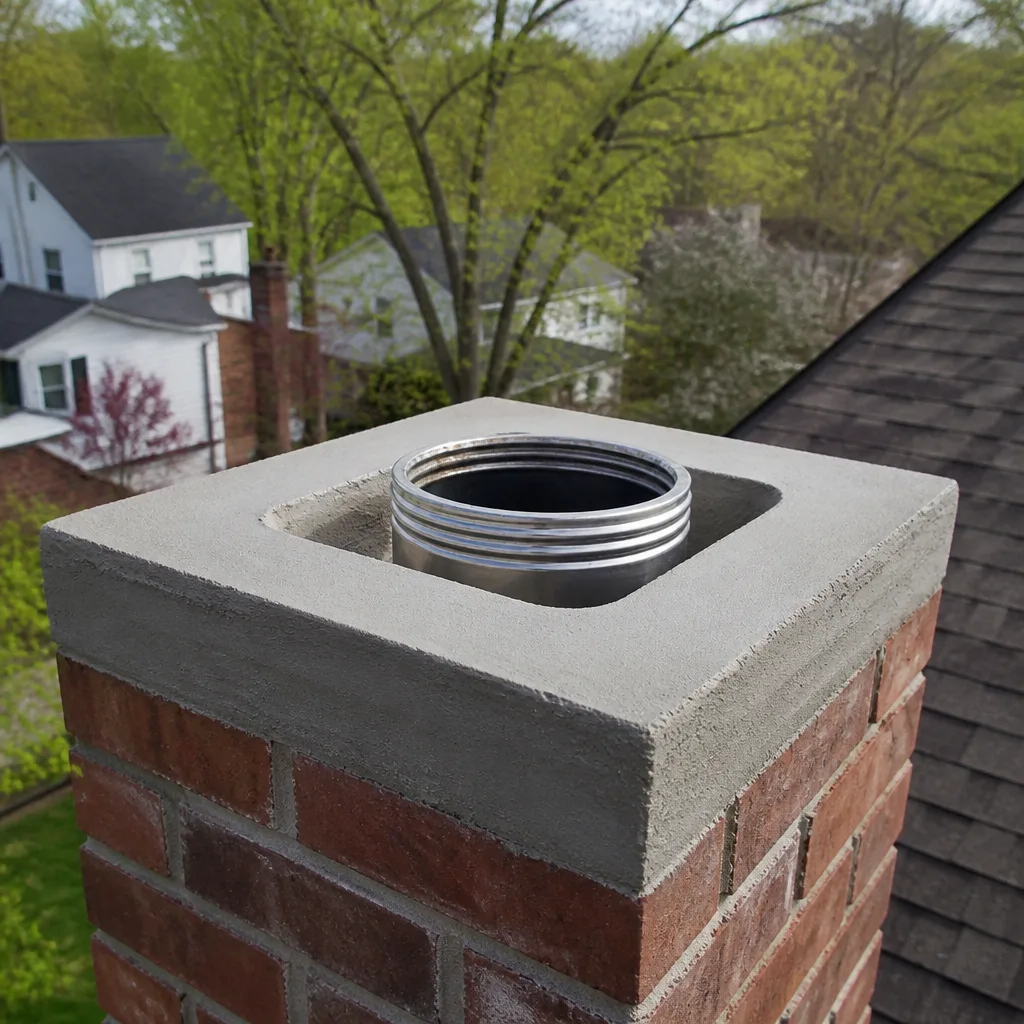
- A cracked or deteriorated flue liner. A sweep cleans the liner; it doesn’t repair it. A damaged liner is a structural issue. We install DuraFlex flexible liner systems for exactly this – relining a damaged or undersized flue, which is beyond what a sweep-and-go service does.
- An undersized flue for a newer insert. If the flue can’t handle the insert, cleaning won’t change the draft. A reline solves it.
- Lightly damaged but structurally sound flue tile. Sometimes a full reline isn’t necessary. HeatShield ceramic flue resurfacing can restore a liner without a full replacement when conditions allow. It’s a code-compliant repair system, and it’s the kind of judgment call a chimney specialist makes, not a general sweep technician.
- Crown cracks and water intrusion. A crown repair solves efflorescence and spalling at the source. Cleaning the flue alone won’t stop water from moving through the masonry.
- Firebox damage. Crumbling firebrick or a damaged damper is a repair, not a cleaning.
We source from professional-grade materials – DuraFlex, HeatShield, Gelco, Olympia Chimney – because the material matters when you’re doing structural work inside a flue. From cap to firebox, one company handles it all, so you don’t have to coordinate a sweep, a mason, and a cap installer to get one chimney back to health.
Common Mistakes to Avoid
- Treating efflorescence as cosmetic. A lot of NoDa homeowners power-wash the white staining off the brick and call it fixed. The stain will come right back because the water source is still active. Fix the water pathway, not the stain.
- Burning wet or unseasoned wood to “use it up.” Wet wood burns cooler, which makes more creosote faster. What’s saved on wood cost is spent on the cleaning.
- Assuming the cap is optional. A missing chimney cap is a direct opening for rain, debris, and animals. If the cap is bent or gone, have it replaced before the next burn season.
- Booking a sweep and skipping the inspection. A cleaning can leave a cracked flue or a damaged crown untouched because that’s not what a sweep looks at. Inspection and cleaning are two different jobs. In NoDa’s older housing stock, you want both.
- Ignoring a change in fireplace behavior. A fire that used to draw well and now smokes is a system change, not a mood. Draft doesn’t shift on its own without something causing it.
- Assuming a gas fireplace doesn’t need attention. A gas log set still has a flue, a damper, and a vent path. Sulfur smells, rust, and moisture signs apply here too.
- Waiting until the first cold night to schedule. Booking a sweep or inspection in the fall crush means longer waits. Get ahead of the burn season, not behind it.
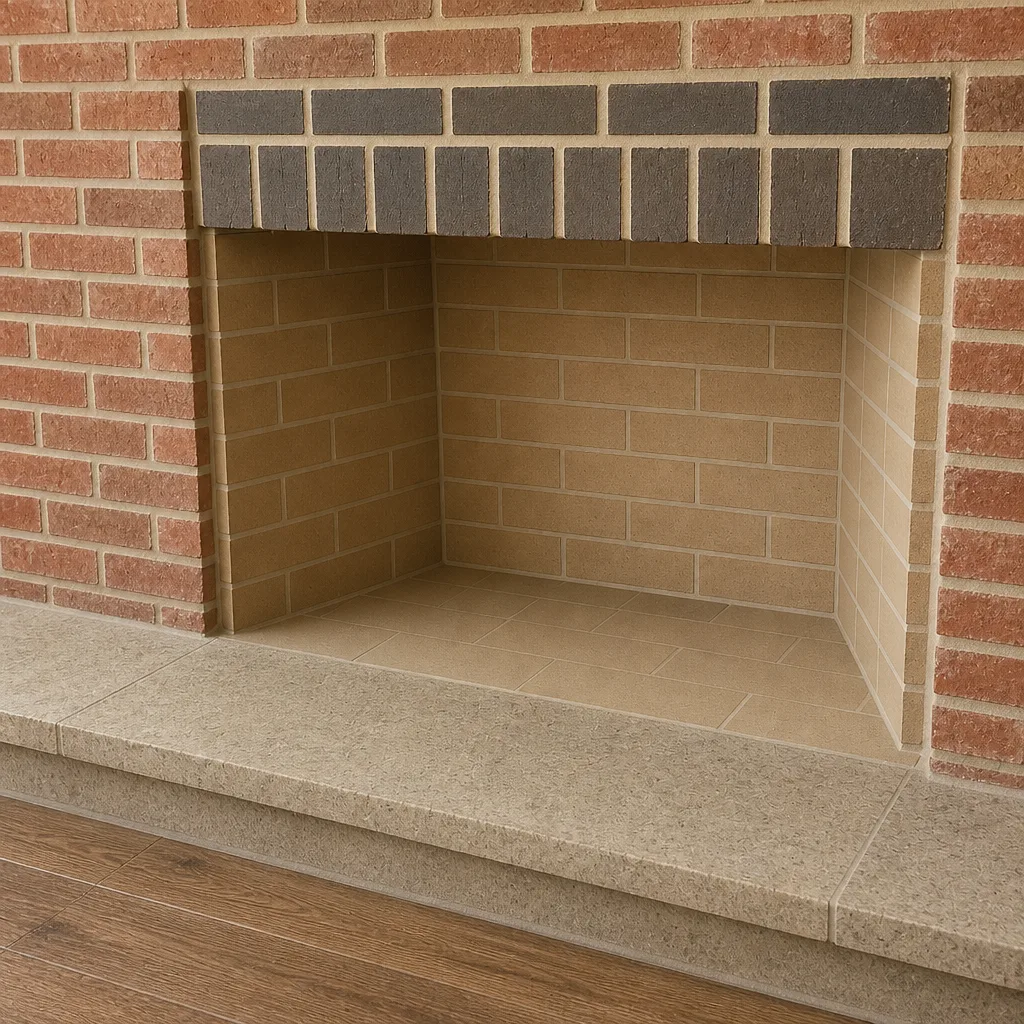
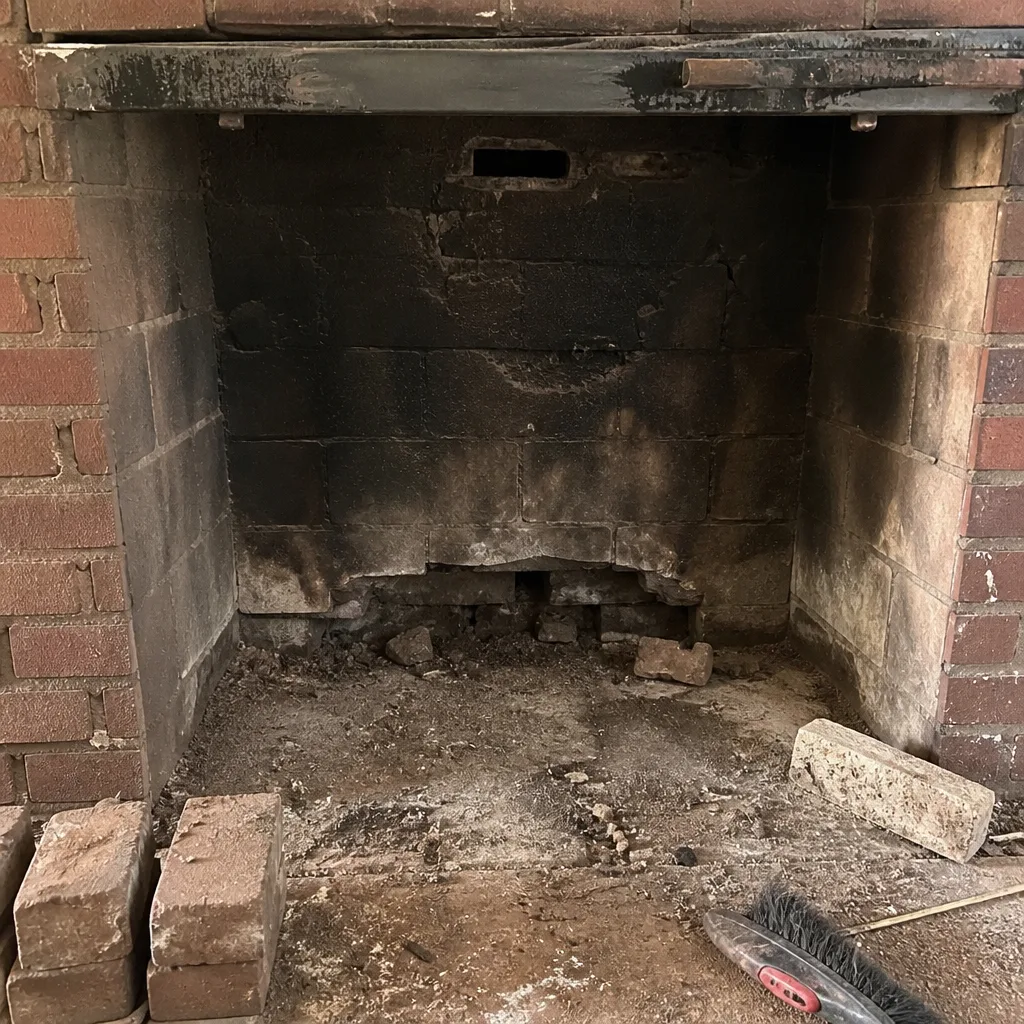
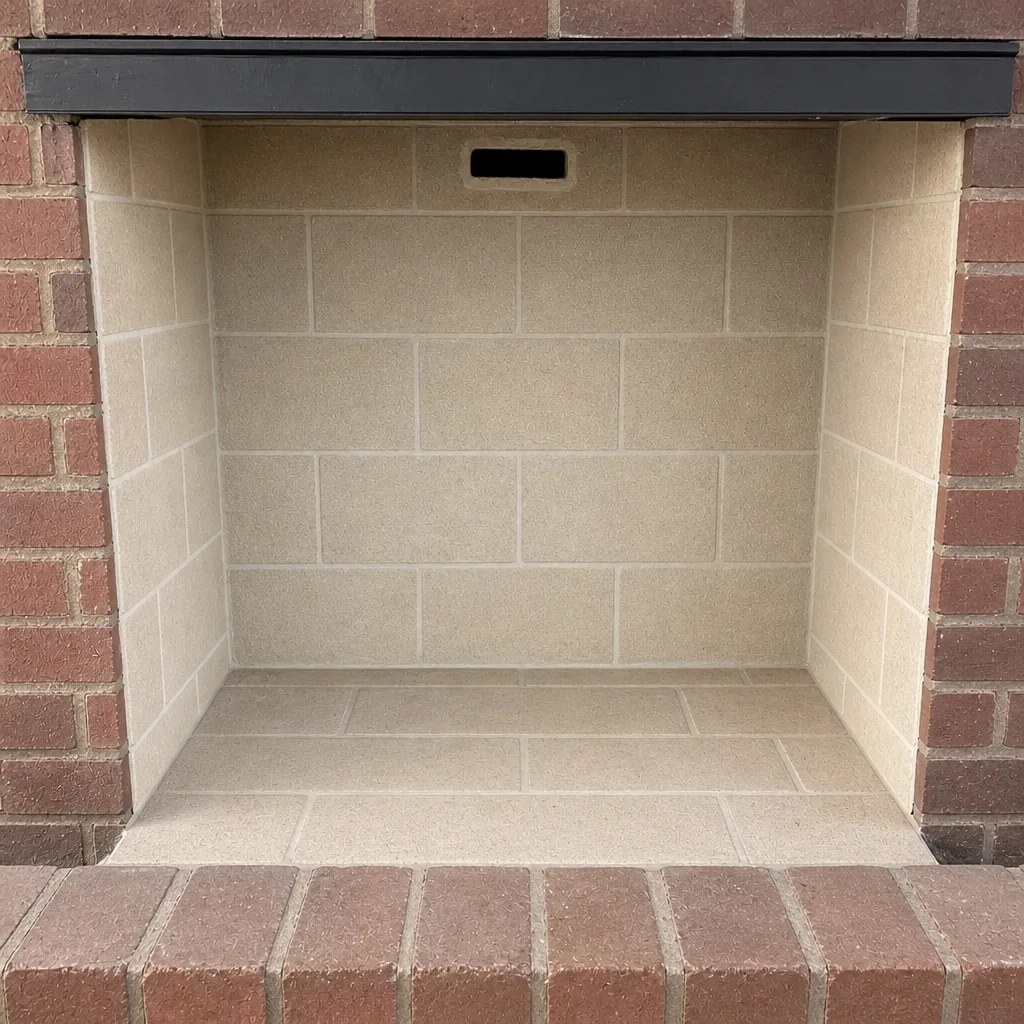
See the difference
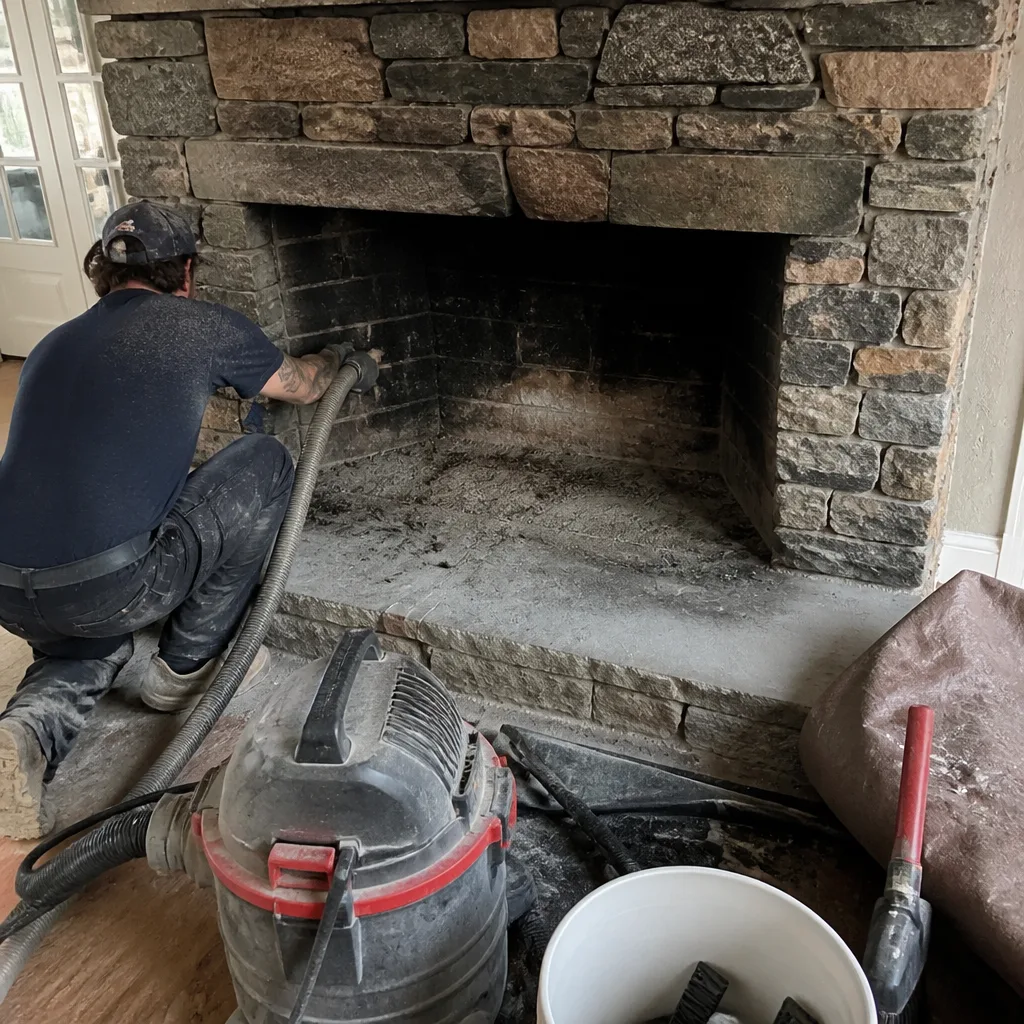 Before
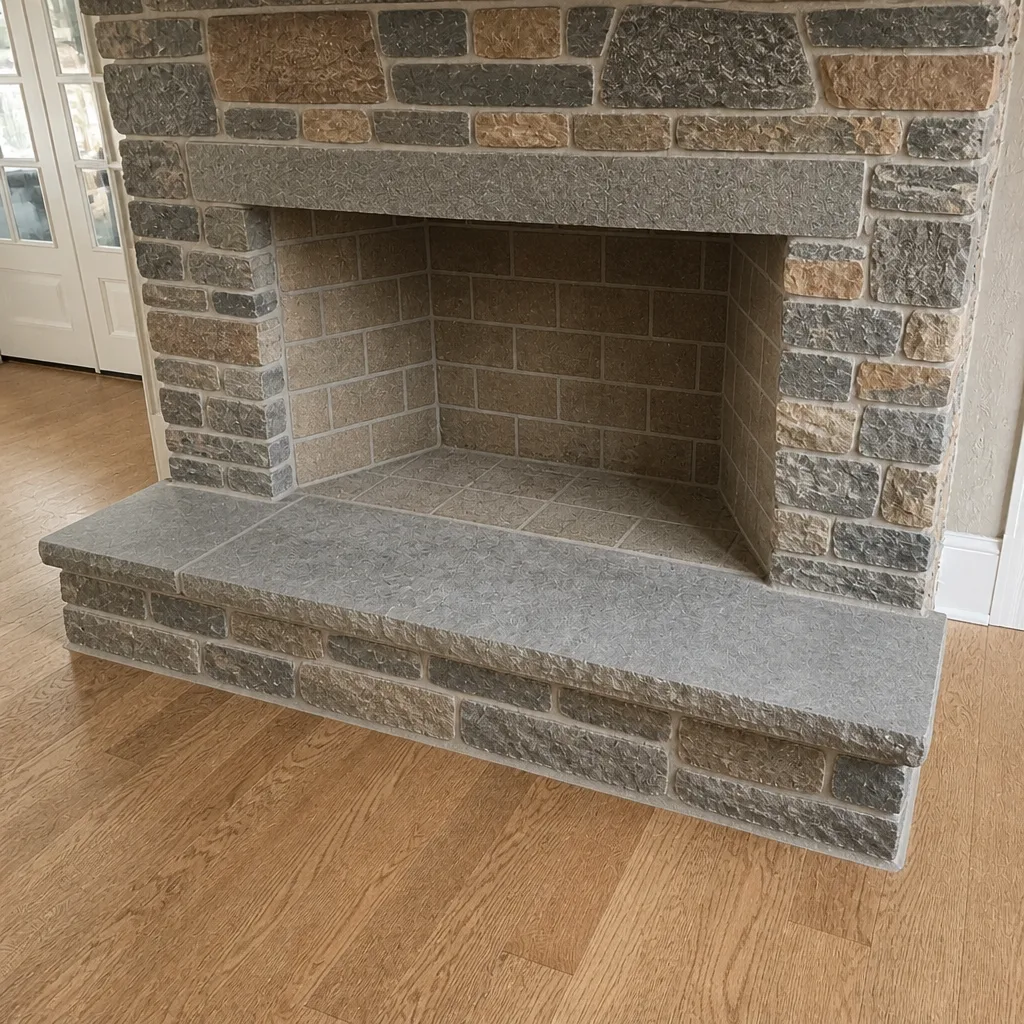 After
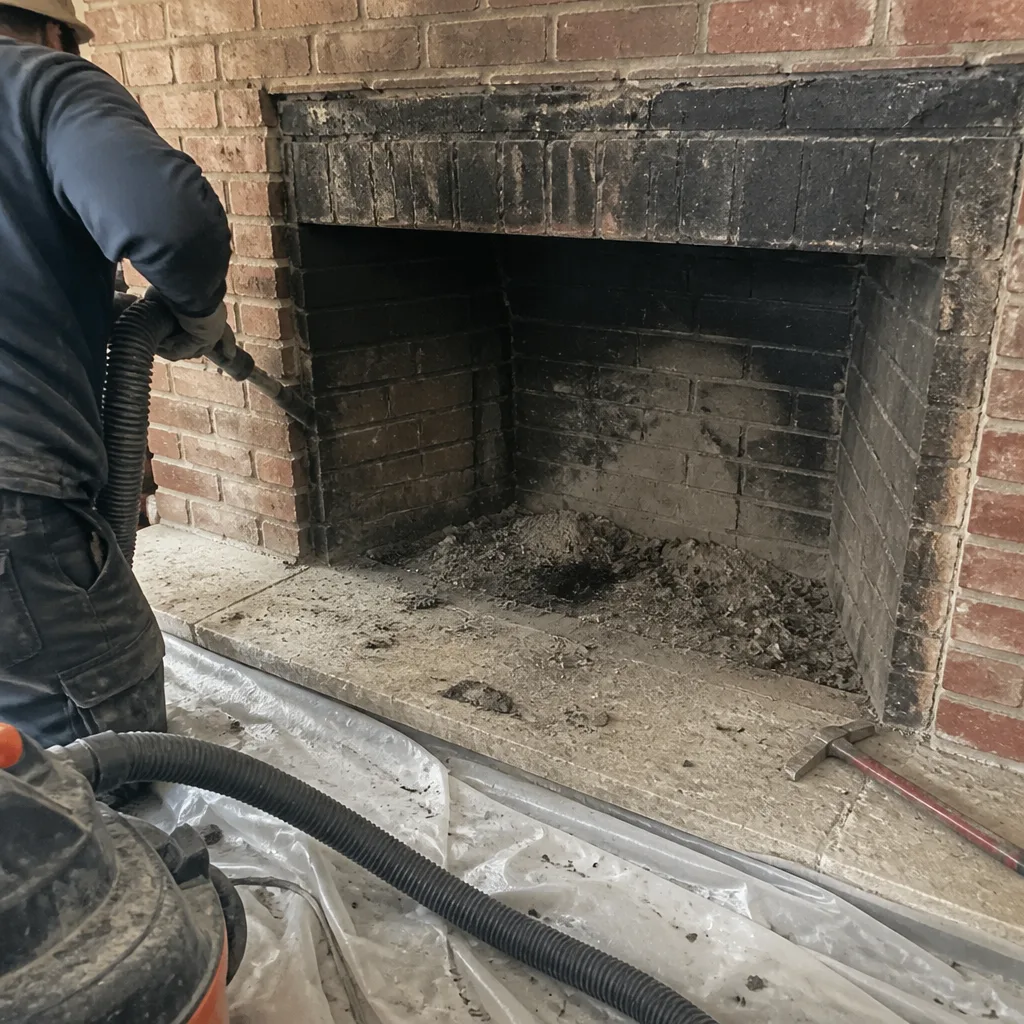 Before
 After
 Before
 After
When to Call a Professional
Call a professional if any of the following apply: you’ve never had this chimney inspected; you’ve had a chimney fire (even a small one you put out yourself); you see smoke rolling into the room; you smell sulfur near a gas appliance; you’ve noticed debris, soot, or masonry chunks falling into the firebox; you see visible glazed creosote on the flue walls; your firebox mortar or firebrick is crumbling; the exterior brick is spalling or the crown has visible cracks; or your fire just isn’t drawing the way it used to. Chimney Sweep NoDa offers free estimates on chimney work in NoDa – call (844) 625-7169. We answer 24/7. Fast dispatch from 7am to 7pm, Sunday through Friday. A trained professional can see things from the top of the stack that you can’t see from the living room floor, and the inspection is the only way to know for certain which list your warning sign falls on.
Frequently Asked Questions
Once a year for a wood-burning fireplace that’s used regularly, and before each burn season regardless of how much you burned last year. A gas fireplace doesn’t produce creosote, but it still needs an annual inspection of the flue path, damper, and vent, and any chimney that’s been sitting unused should be checked before its first fire. If you’ve burned more than usual or burned wet wood, don’t wait for the annual mark – call (844) 625-7169 and schedule a chimney sweep sooner.
Creosote builds up on the flue walls and becomes increasingly combustible; in its glazed, hardened stage, it’s the fuel source for a chimney fire, which can reach extreme temperatures inside the flue and damage the structure of the chimney or the house. The second risk is carbon monoxide, which can back up into the home if the flue is blocked or damaged – that’s why a properly functioning chimney is a safety system, not a decorative one. If your last cleaning was more than a year ago, call (844) 625-7169 and book a sweep and inspection.
That’s efflorescence – salt pushed to the surface of the brick as water moves through the masonry from the inside out, which tells you water is getting into the chimney. It doesn’t damage the brick by itself, but the water source does, and left alone it leads to spalling brick and crown damage. The fix is to find and stop the water pathway, typically at the crown or flashing. Call (844) 625-7169 for a free estimate.
It isn’t a fire hazard by itself, but a musty or damp smell means moisture is getting into your chimney, and moisture leads to the structural problems that are a fire hazard – damaged mortar, cracked flue tile, and rusted components. A musty smell is a reason to schedule an inspection soon. Call (844) 625-7169 for a professional evaluation.
Sweeping the flue from the roof is a height and fall risk, and it doesn’t catch what an inspection would find – a homeowner cleaning the flue from below can’t see flue tile cracks, crown cracks, or a deteriorating liner. The inspection portion of the job is the part that matters for safety. Call (844) 625-7169 to book a professional chimney sweep and inspection.
Cleaning removes soot and creosote from the flue; inspection is a structured condition assessment of the whole system – crown, cap, firebox, damper, smoke chamber, flue, and draft. We treat inspection as a standalone service in NoDa, which means you can get a documented evaluation independent of any repair recommendation. Call (844) 625-7169 to book an inspection or a sweep, or both.
The Bottom Line
Most chimney problems give you warning signs long before they become dangerous – a smell, a stain on the brick, smoke rolling back, a fire that doesn’t draw the way it used to. The skill is separating the “schedule a cleaning” signs from the “stop burning and get an inspection” signs, and this guide is meant to be the reference for that. The list we gave you is the same list a trained technician runs through, and the sign that surprises us most in NoDa is still the one that starts on the outside of the brick – efflorescence is water telling you where it’s getting in. If any sign on this page matches your chimney, stop guessing and start with an inspection. From cap to firebox, one inspection and one company can tell you what’s happening and what it needs – we inspect it, we fix it, no referrals, no runaround.
Call Chimney Sweep NoDa at (844) 625-7169 for a free estimate on chimney sweep, inspection, fireplace repair, or chimney cap and crown work in NoDa. We answer 24/7. Fast dispatch from 7am to 7pm, Sunday through Friday. When we’re at your home, we show you what we found, give you a written estimate before any work, and tell you plainly what can safely wait.
Written by the team at Chimney Sweep NoDa.