
Last updated November 24, 2026
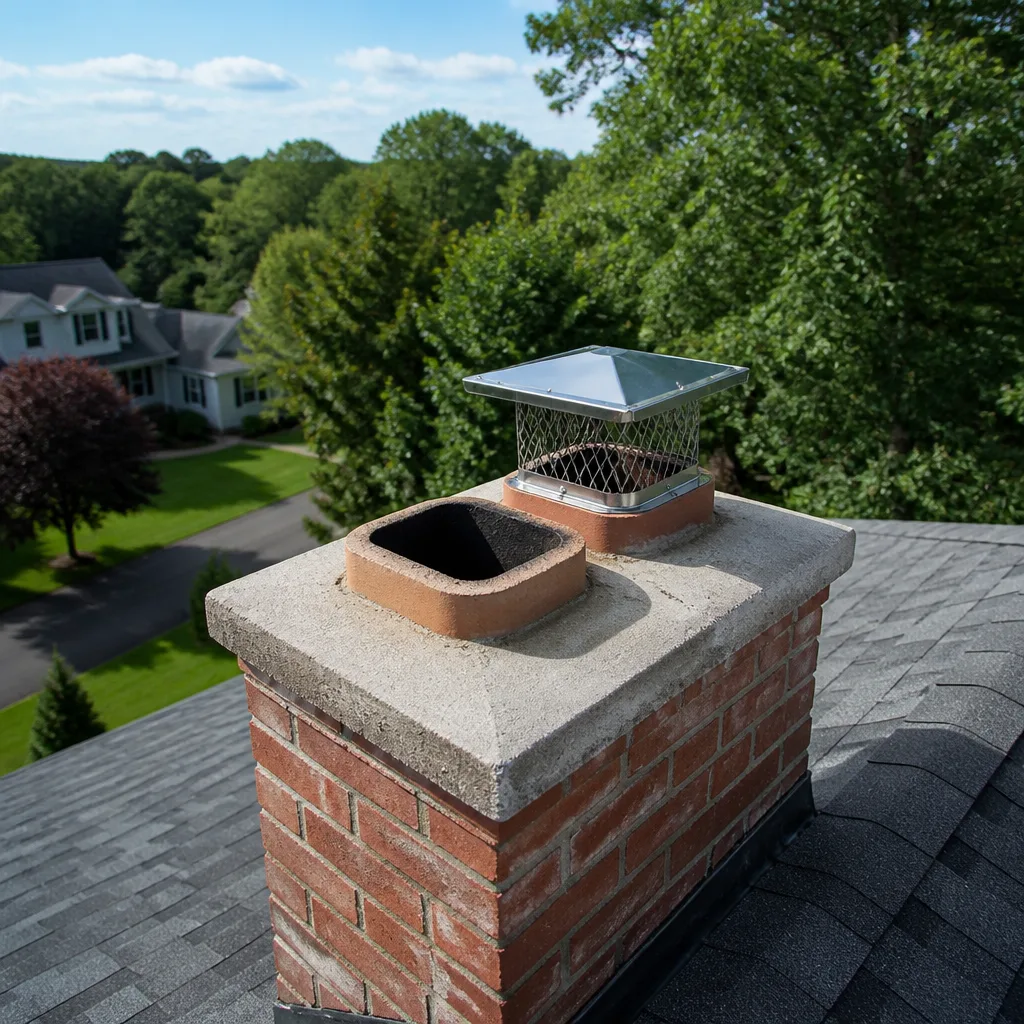 Sweep & inspection
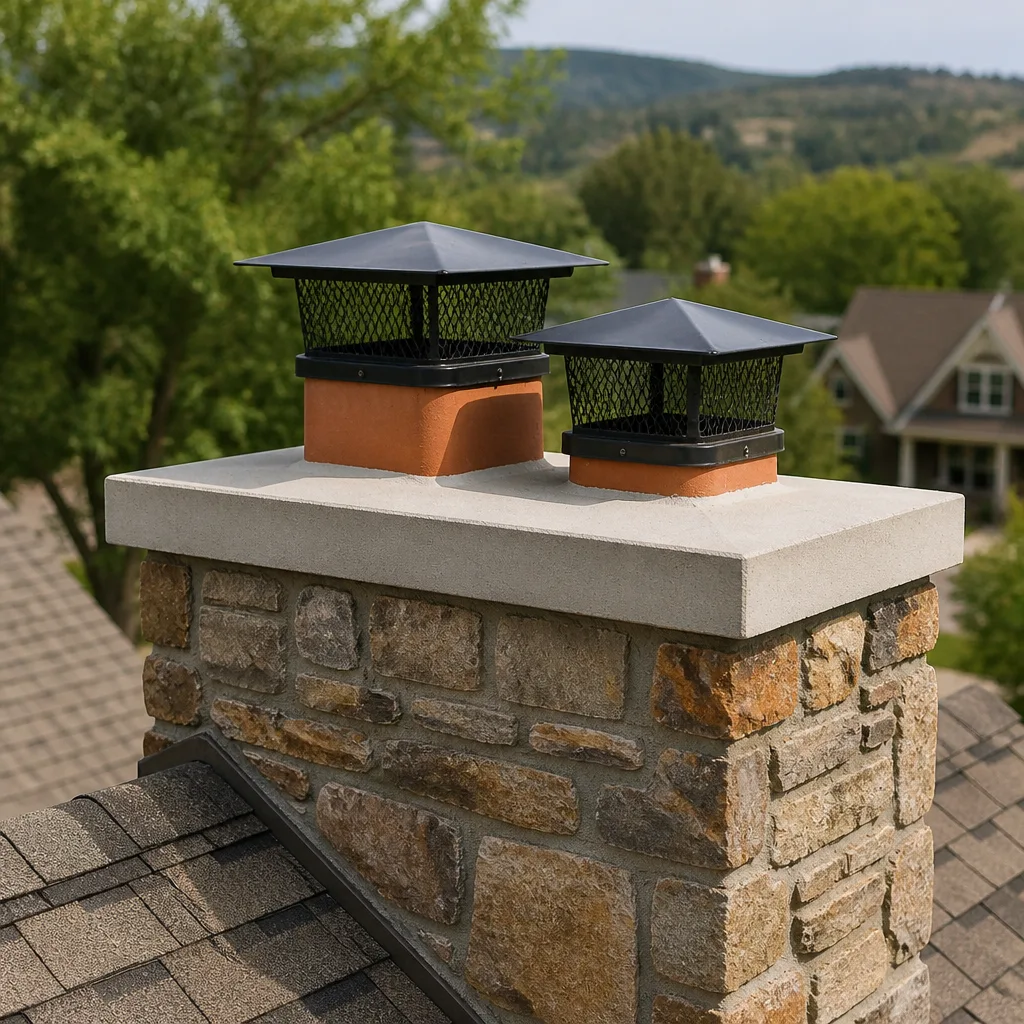 Caps & crowns
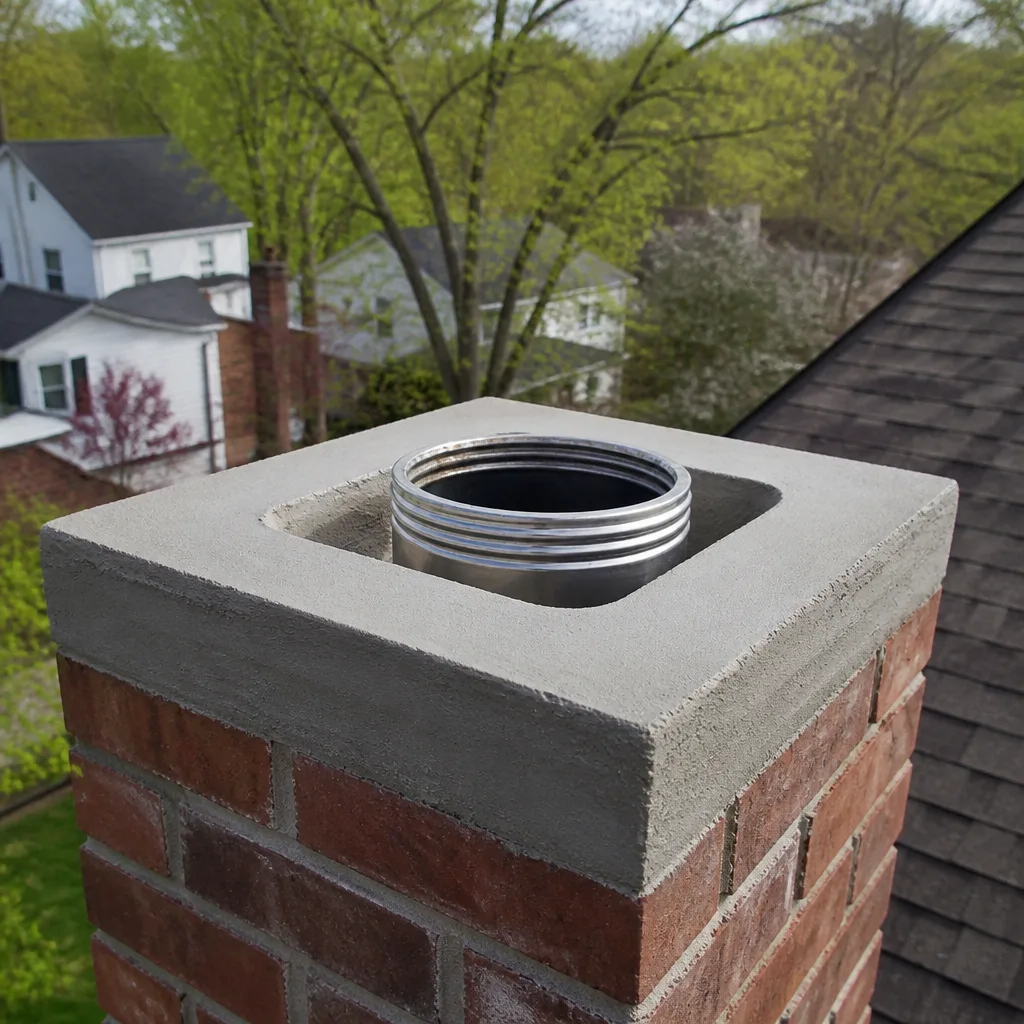 Flue relining
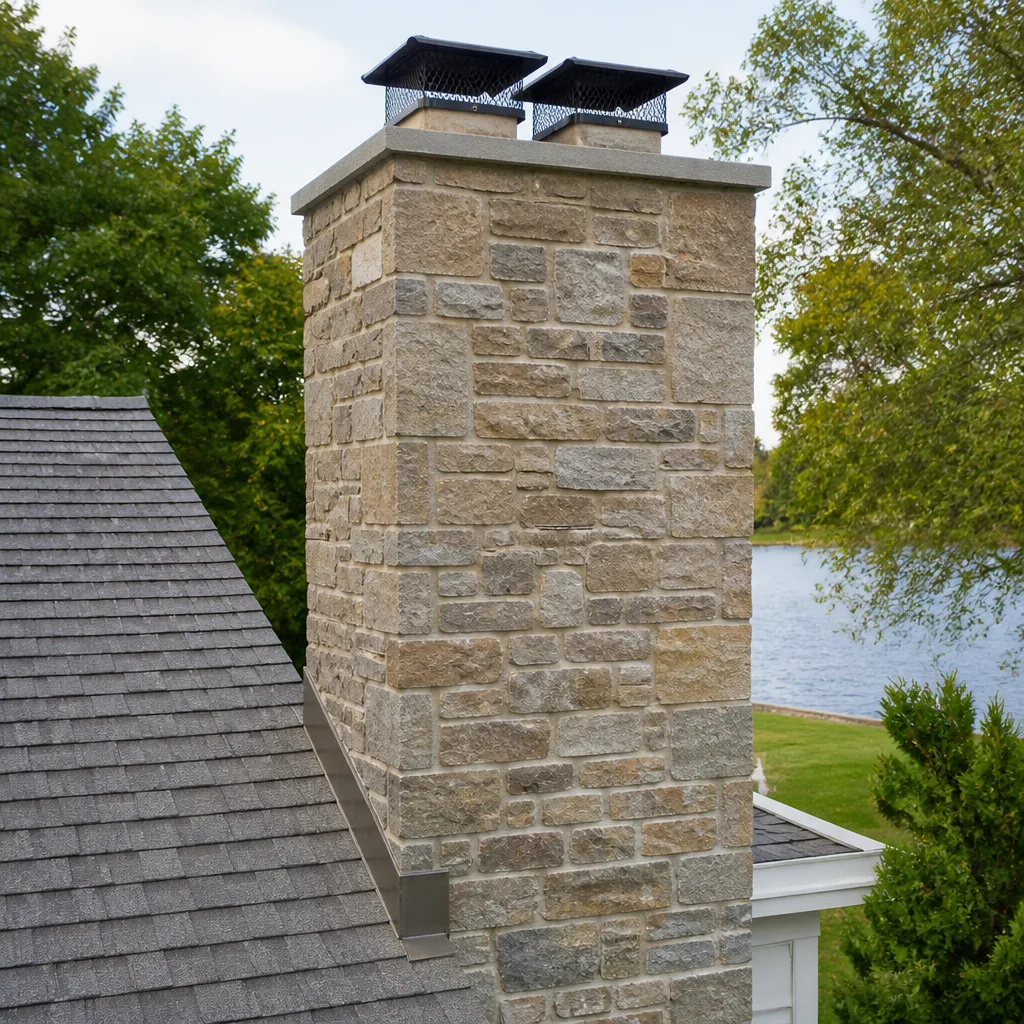 Masonry repair
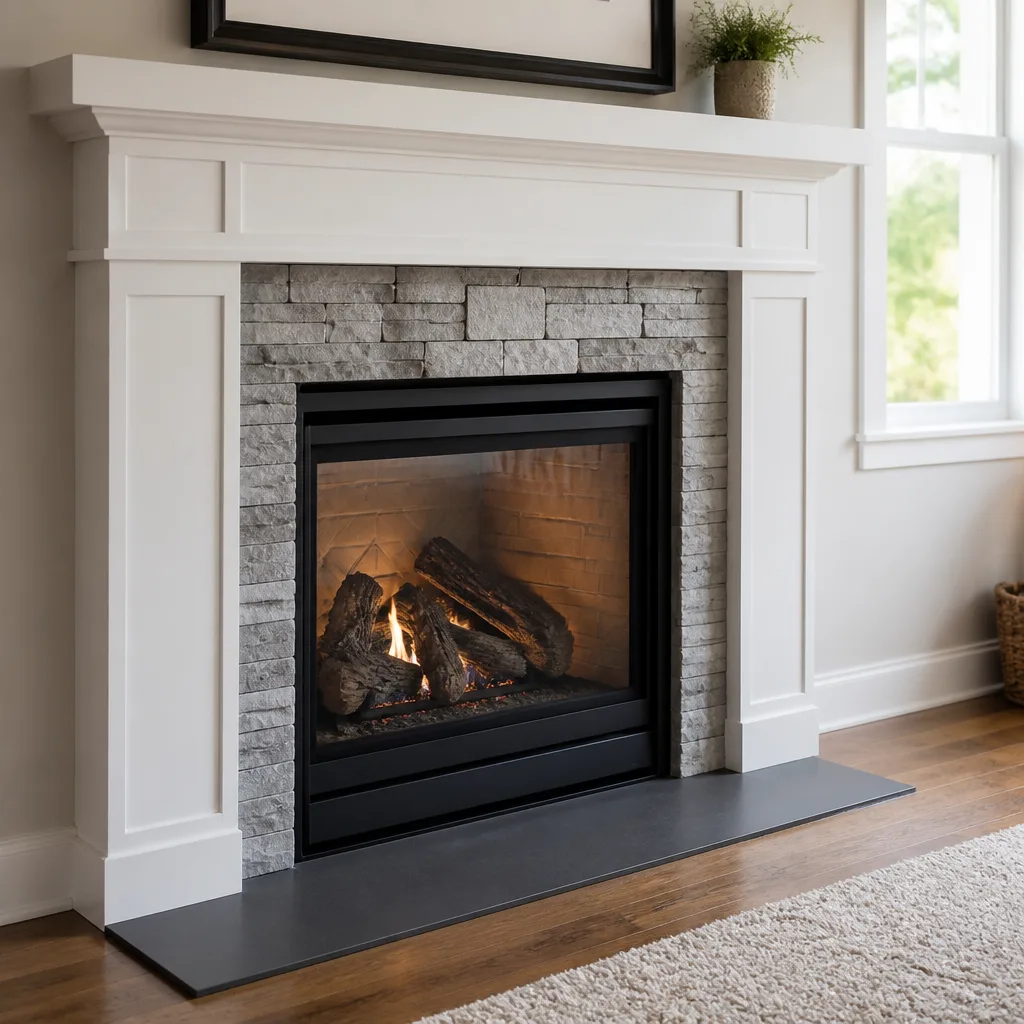 Gas fireplace service
Level 1 sweep and inspection to the NFPA 211 annual standard - flue, crown, cap, and flashing checked and photographed
Chimney sweep logs do not sweep chimneys. They loosen some creosote - which then falls where a brush and vacuum still have to collect it.
The Complete Guide to Chimney Cleaning in NoDa
Most chimney fires don’t start because homeowners skipped a cleaning. They start because the cleaning happened but the inspection that should follow it didn’t. A sweep brushes the flue and leaves; the sweep that matters opens the flue, looks at the full height of the liner, checks the cap and crown, and tells you what the inside of your chimney actually looks like. That gap between sweeping and evaluating is where most trouble hides. In NoDa, where the housing stock runs from 1920s mill bungalows to gas-insert retrofits in newer infill, that gap is wider than in most neighborhoods. This guide walks through the whole process and what to look for.
Quick Answer
Chimney cleaning in NoDa is a three-part job: a sweep to remove soot and creosote from the flue, a structured inspection to document the condition of the liner, cap, crown and firebox, and a written report of findings so you know what needs fixing and what can safely wait. Standard brushing handles Stage 1 creosote but won’t touch Stage 2 or 3 glaze without rotary tools or chemical treatments. Most homes in NoDa benefit from an annual cleaning paired with a Level 1 inspection, and a Level 2 inspection any time the fuel type, appliance, or flue layout changes.
Styles & brands we work with
- Sweep & inspection
- Caps & crowns
- Flue relining
- Masonry repair
- Gas fireplace service
Table of Contents
- How NoDa’s Housing Stock Shapes Chimney Conditions
- Level 1 vs Level 2 Inspections: Which One You Actually Need
- The Three Creosote Stages and Why Brushing Isn’t Always Enough
- What a Real Chimney Cleaning Involves, Step by Step
- Why Skipping the Cap and Crown Check Wastes Your Cleaning
- How to Verify a Sweep Actually Cleaned the Full Flue
- Gas Inserts and Retrofit Chimneys: A Different Cleaning Protocol
- When in the Year NoDa Homeowners Should Book
How NoDa’s Housing Stock Shapes Chimney Conditions
NoDa’s chimneys are not one type. The neighborhood grew in waves, and each wave left behind a distinct set of flue problems. When we book a chimney sweep in NoDa, we go in knowing roughly what we’ll find based on the era of the house and how the fireplace was used. That knowledge shapes what tools come off the truck and how long the job takes.
- Pre-1960s masonry bungalows. Single-wythe brick chimneys were common in this era, and many were built with no flue tile liner at all or with tile joints that have cracked and shifted over the decades. These chimneys tend to hold moisture, and the interior mortar can soften and spall. Cleaning them requires gentler brush technique so the brick face isn’t damaged further.
- Converted mill houses. When a textile-era structure was chopped into multiple units, the original central chimney sometimes served two or more fireplaces. Retrofitting each flue to a separate appliance can leave shared flues, which are a code problem and a cleaning hazard because the flue gas from one unit can leak into another.
- Newer infill construction. Today’s infill builds in NoDa often skip masonry chimneys entirely in favor of pre-fabricated metal flue assemblies, gas inserts, or direct-vent systems. These need different tooling. A metal flue is cleaned with poly brushes sized to the liner, never chimney rods sized for brick, and gas inserts sometimes need no brushing at all, only inspection and venting verification.
The takeaway is simple: there is no universal “chimney cleaning in NoDa” prescription because there is no single chimney type being cleaned. What matters is that the sweep reads the house before picking the tool.
Level 1 vs Level 2 Inspections: Which One You Actually Need
A Level 1 inspection is a visual check of the readily accessible parts of your chimney: the firebox, the damper, the visible portion of the flue from below and from the roof, the cap, and the crown. A Level 2 inspection adds a video camera run through the full flue and, when applicable, access to attics, crawlspaces, and adjoining spaces. Level 2 is the one that surfaces cracks, gaps and offsets that aren’t visible from either end of the pipe.
Which one applies to a NoDa homeowner depends on circumstances, not routine:
- Level 1 is the right baseline for an annual or per-season cleaning when the appliance hasn’t changed, the home hasn’t changed hands, and there’s no known problem. It’s fast, cheap, and catches the wear items.
- Level 2 is required when you buy a home. It’s also the right call when you switch fuels or appliances (wood to gas insert, open firebox to fireplace insert, boiler replacement), after a chimney fire, after an earthquake or a significant settling event, or when you notice a persistent draft problem or smoke back-drafting into the room.
- Level 3 is a rarer, more invasive assessment called for when Level 2 findings suggest hidden damage in concealed areas of the chimney. Not every sweep offers Level 3, so ask before you book.
In our experience in NoDa, the biggest miss is homeowners who call for a cleaning only, receive it, and never get a Level 1 inspection attached. Some sweep-only crews will do it as an add-on. Our shop runs inspection as a standalone service because it’s a different job with different findings, and bundling it silently into a sweep is how problems slip through.
The Three Creosote Stages and Why Brushing Isn’t Always Enough
Creosote is a fuel byproduct that deposits on the inside of the flue as smoke cools. It’s not uniform. How it settles determines whether a standard brush will remove it or whether you’re looking at a different tool and treatment altogether. This is where a lot of cheap cleanings fall apart: a brush knocks off the loose deposit and slips over the glaze, leaving the dangerous layer behind.
- Stage 1: soot and light flaky creosote. This is the dry, powdery, black debris that most homeowners picture when they think of chimney cleaning. A standard poly brush removes it fully. A yearly sweep keeps most wood-burning NoDa fireplaces operating at this level.
- Stage 2: shiny, hardened creosote. As the deposit thickens, it hardens and takes on a shiny surface. A standard brush slides off it. Stage 2 requires rotary cleaning tools or chemical creosote removers to break the coating down before it can be brushed free. It often results from a smoldering fire habit: burning wet wood, choking the air supply to stretch the burn, or running the fire damped down overnight.
- Stage 3: glaze and hardened tar deposit. The most dangerous stage. It’s a fuel-rich, glassy coating that can ignite on contact with a single spark and burn at high temperatures inside the flue. Stage 3 usually requires chemical treatment and mechanical removal over a scheduled course of visits, and it often prompts a relining conversation afterward because the heat damage to the flue is the real concern.
If a sweep tells you the flue is clean without describing the creosote level, that’s worth a followup question. Cleaning to the wrong stage is worse than not cleaning because it gives a false sense of a swept chimney.
What a Real Chimney Cleaning Involves, Step by Step
A professional chimney cleaning in NoDa runs in a fixed sequence. Skipping any of these steps turns a cleaning into a surface wipe.
- Setup and protection. Drop cloths and a sealed vacuum are placed so soot never reaches the living room. If you’ve ever had a sweep track soot onto a sofa, the setup step is why.
- Firebox and damper check. The firebox floor, walls and damper assembly are inspected before any brushing begins. Loose brick, a fire-cracked firebox floor, or a jammed damper is documented now, not after the flue is cleaned.
- Flue sweep from the top. The sweep accesses the roof and runs a poly or wire brush sized to the flue down the full height of the chimney. The brush head should reach the smoke shelf. If the flue has offsets or a long horizontal run, the sweep uses a whip head or camera led rod to work through the bend.
- Bottom-out and debris removal. Soot and creosote fall into the firebox, where the sealed vacuum pulls them out. The smoke shelf and smoke chamber above the damper must be cleaned as well, which is where inexperienced sweeps commonly stop.
- Inspection with camera or mirror. Before the job is signed off, the sweep runs a camera or mirror check back up the flue to confirm no patches were missed. If a Level 2 inspection was ordered, the camera footage is recorded and shown to the homeowner.
- Cap and crown check. Last step. The roof access gives the sweep a chance to look at the cap, the crown and the flashing. Skipping this is the most common reason a cleaning gets undone within a season.
- Written report. You get a documented list of what was cleaned, what was found, and what (if anything) is recommended for repair.
That sequence is standard, and it’s what we run on every NoDa chimney we clean. If your sweep can’t describe all seven steps, ask about the missing ones before you sign the work order.
Why Skipping the Cap and Crown Check Wastes Your Cleaning
You can have a spotless flue, but if the cap is missing, cracked or rusted through, the cleaning won’t last a season. NoDa’s tree canopy and the area’s regular afternoon thunderstorms do the work of undoing a good sweep within months: leaves, twigs and rain enter an uncapped flue, and the moisture bonds with remaining soot to form a sticky paste that accelerates creosote buildup on the next burn. Even a cap that’s still attached can be a problem if its mesh is rusted shut, which prevents drafting and forces smoke into the room.
The crown, which is the concrete or mortar cap on top of the chimney structure, matters for the same reason. A cracked crown lets water into the masonry, which soaks the brick and mortar and leads to spalling during freeze-thaw. Once the masonry face starts flaking, the repair is no longer a $50 crown patch; it’s a rebuild. Checking the crown and cap as part of every cleaning is cheap insurance against this.
If the cap or crown is damaged, our team handles the fix in-house. We install and repair the full chimney envelope: cap, crown, liner, firebox and flue. We source our caps from familiar professional brands like Gelco and Olympia Chimney because the mesh gauge and stainless rating matter more than the price tag. You don’t need a separate cap installer calling behind the sweep. Our chimney cap & crown service exists because this fix is too commonly deferred and too costly when it’s skipped for several years.
How to Verify a Sweep Actually Cleaned the Full Flue
You can’t see the inside of your own flue, and that information asymmetry is where a fast cleaning can go wrong. The good news is that you can verify the work from the outside with a bit of prep and a few direct questions.
- Ask to see the before-and-after camera footage. A real cleaning documents the flue at the start and the end. If the sweep can’t show you a camera run, they didn’t inspect the full height of the flue.
- Ask where the brush head reached. The smoke shelf and smoke chamber must be cleaned. If the sweep describes brushing only the top-down run and stopping at the damper, ask for the lower clean too.
- Check the firebox floor yourself. After the job, the firebox floor should be free of soot, not just swept to one side. The damper should move freely. The firebox door glass, if present, should be clean.
- Look at the cap on the roof. If the sweep accessed the roof, the cap should be checked and reported. No report means no check.
- Expect a written report, not a verbal all-clear. Ask for it before the invoice is paid. Any responsible chimney company will provide one because it’s the documented baseline for next year’s comparison.
In a neighborhood with as much chimney variation as NoDa, a verbal “looks good” isn’t enough. A written report that names what was cleaned, what was checked, and the creosote stage found is the line between a real service and a surface job.
Gas Inserts and Retrofit Chimneys: A Different Cleaning Protocol
Gas fireplaces and inserts don’t produce creosote the way wood does, but that doesn’t mean they don’t need a service cycle. Gas appliances produce condensation and mineral deposits inside the vent, they collect dust and pet hair in the burner compartment, and their venting can crack or disconnect at joints in ways a visual check from the living room won’t reveal. When a NoDa homeowner’s fireplace was converted from wood to gas, the cleaning protocol has to change with the appliance.
What that means in practice:
- No brushing is needed inside a direct-vent metal flue in a well-running gas system, but the venting terminations and joints still need to be inspected for blockage, bird nests and corrosion.
- Burner and logs need to be pulled and cleaned with the gas supply off, and the ignition and safety pilot need to be verified.
- The flue damper or venting path should be checked for a correct open state since some inserts rely on a dedicated vent and the original damper can be a fall hazard if left partially closed.
- Carbon monoxide is still a risk for any gas appliance venting into a chimney. A properly operating gas fireplace with an intact vent and a working CO alarm in the room is what you want. A disconnected vent is what causes problems. That’s an inspection finding, not a cleaning finding, and it’s exactly why we run inspection as its own service rather than a checkbox before the sweep.
For a NoDa homeowner who replaced a wood-burning firebox with a gas insert, the annual routine should include an inspection of the vent and the burner assembly, not a brush down the old masonry flue. Doing the wood-style sweep on a gas appliance is a wasted appointment and, in some insert designs, less safe than doing nothing. A professional-grade liner like a DuraFlex flexible system, if it was installed when the insert was put in, needs inspection, not brushing.
When in the Year NoDa Homeowners Should Book
The best window to book a chimney cleaning in NoDa is late summer or early fall, before the first heating season of the year begins. Cutting it close to the first burn is when appointment slots fill and when any issues found during inspection can’t be fixed before cold weather arrives. If your fireplace hasn’t been used in a year or more, book the inspection before you first light a fire: a chimney that sat empty for a season can pick up a bird nest, a cracked cap, or a moisture-damaged crown, and you don’t want to discover that with a fire burning.
The rest of the year is fine for repair work that isn’t urgent. Cracks in a crown, a cap that needs replacing, or a relining job can wait for mild weather if the inspection says the fireplace is safe to use in the meantime. That’s part of what a real inspection report gives you: a clear separation between “fix this before you burn” and “fix this when you have time.” Any contractor who can’t make that distinction is likely pricing from a sales sheet, not from conditions.
Common Mistakes to Avoid
- Booking the sweep without the inspection. In our experience across NoDa’s older bungalows, a cleaning reveals the soot while an inspection reveals the crack. If you only ever get the first, you never learn the second until something fails.
- Assuming a swept flue is a safe flue. A brush slides off Stage 2 and Stage 3 creosote. If a sweep can’t tell you the creosote stage they observed, the flue isn’t reliably clean.
- Ignoring the crown because it’s “just concrete.” A small crack that lets water in can lead to a rebuild. A crown patch done proactively is a fraction of the cost of re-facing the masonry.
- Skipping the cap because you don’t hear anything. A cap that’s blocked by rusted mesh causes draft problems that show up weeks later. It also lets leaves and rain into the flue within one season of a fresh cleaning.
- Cleaning a gas insert as if it were wood-burning. Converting from wood to gas changes the cleaning protocol. Brushing a metal flue is not the same job as brushing masonry, and gas burners need their own service cycle.
- Booking a sweep without confirming what they’ll do about the smoke shelf. The shelf and smoke chamber are where soot settles and where low-effort sweeps stop. Ask if the cleaning reaches that far.
- Waiting for the first cold week. The cleaning and the inspection produce findings, and findings need time to be fixed. Booking in late summer gives you a repair window before heating season.
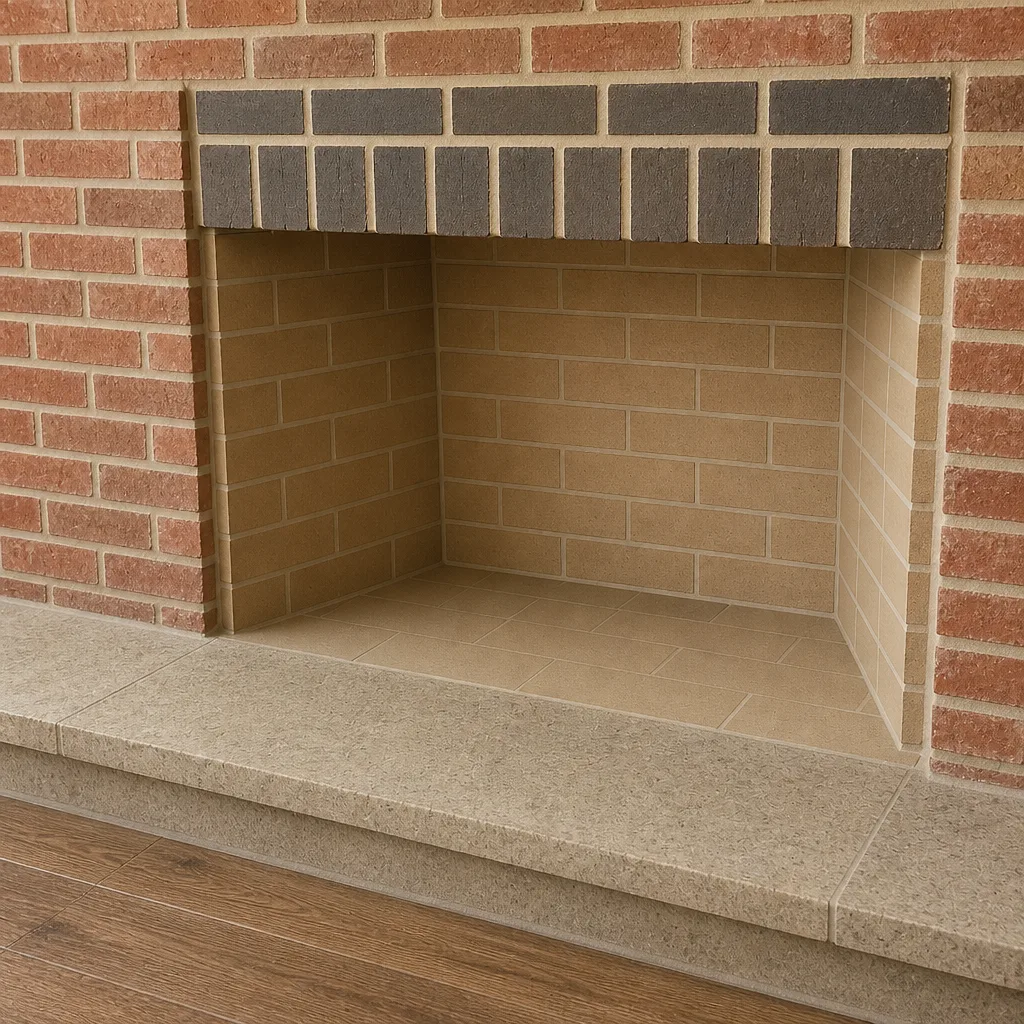
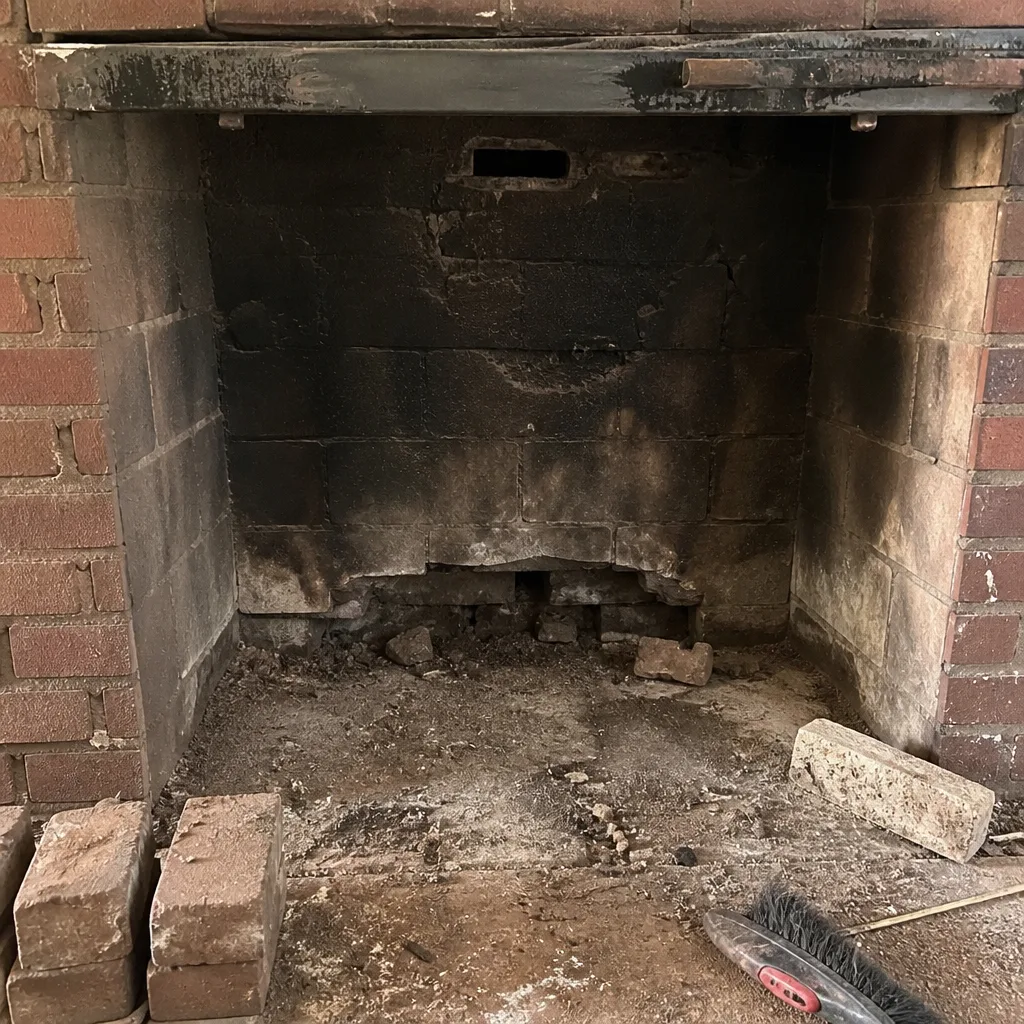
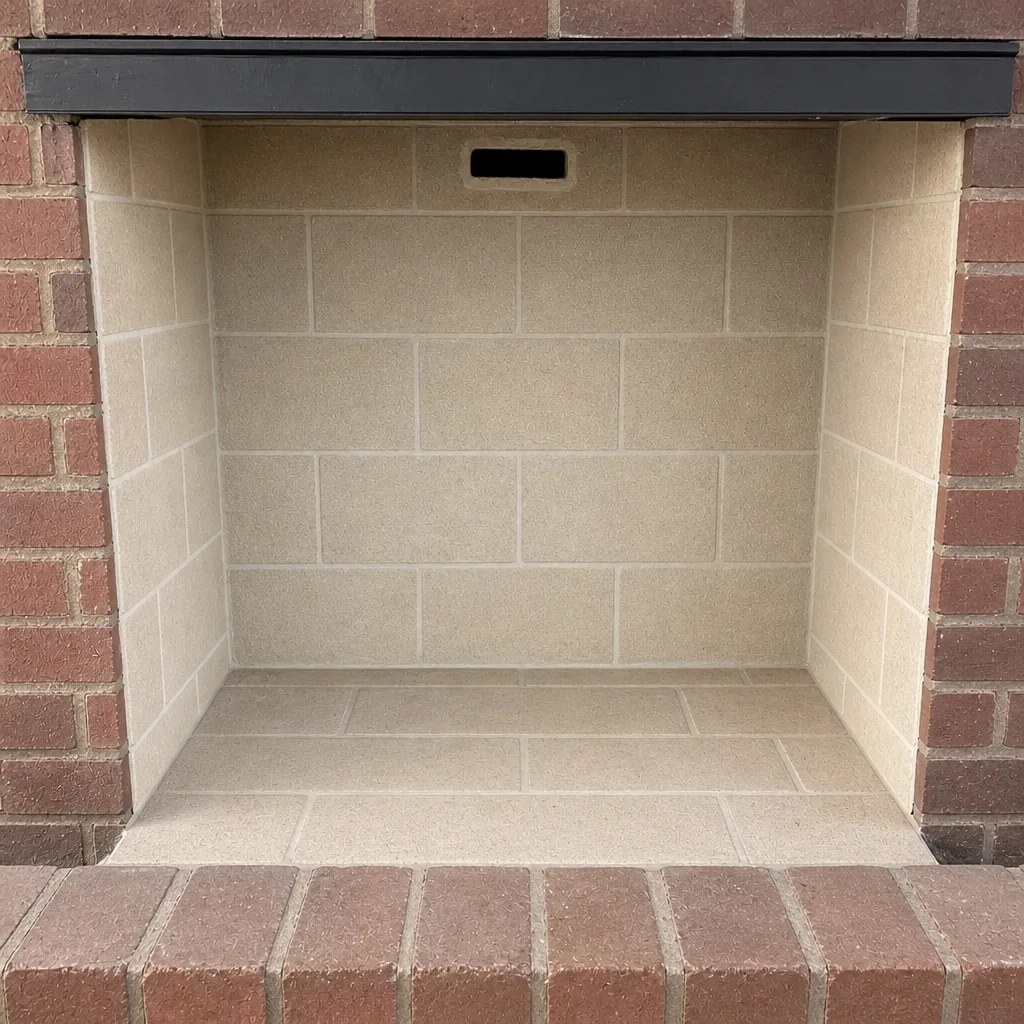
See the difference
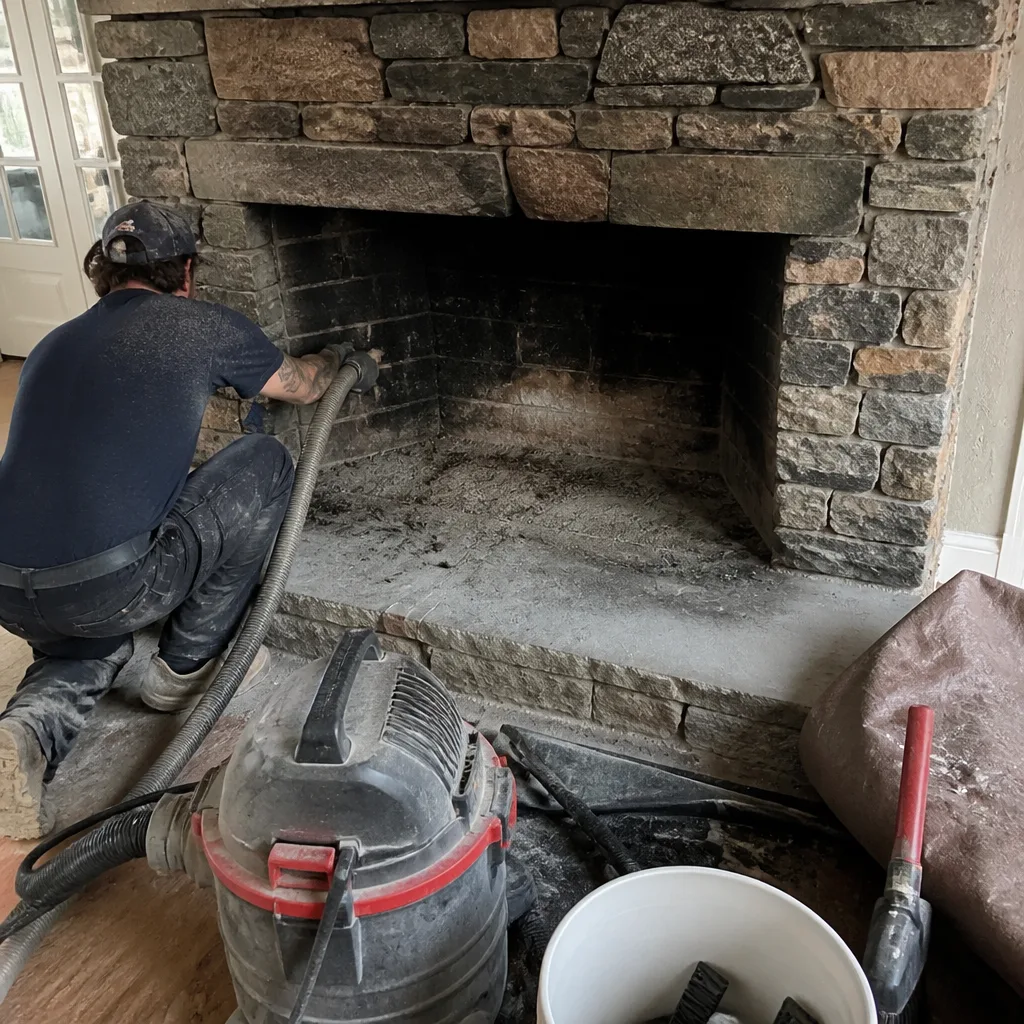 Before
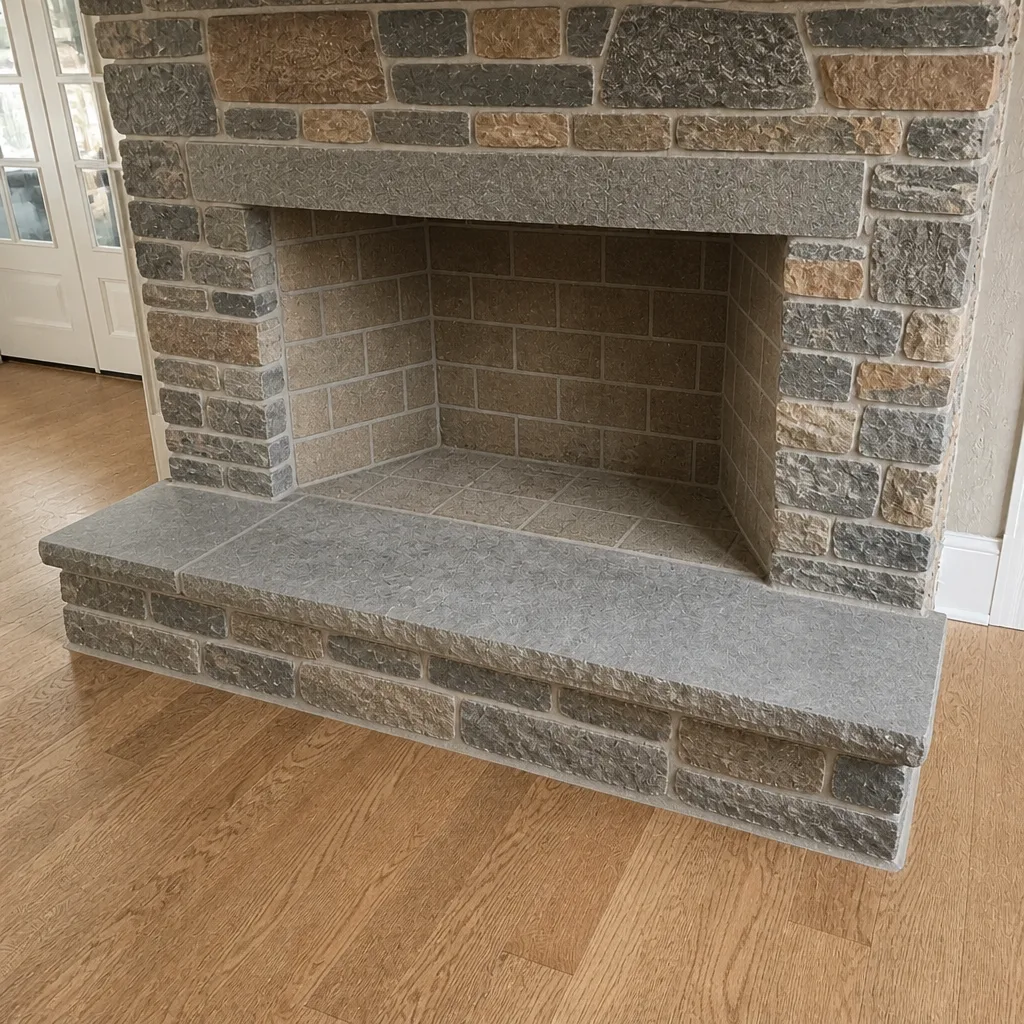 After
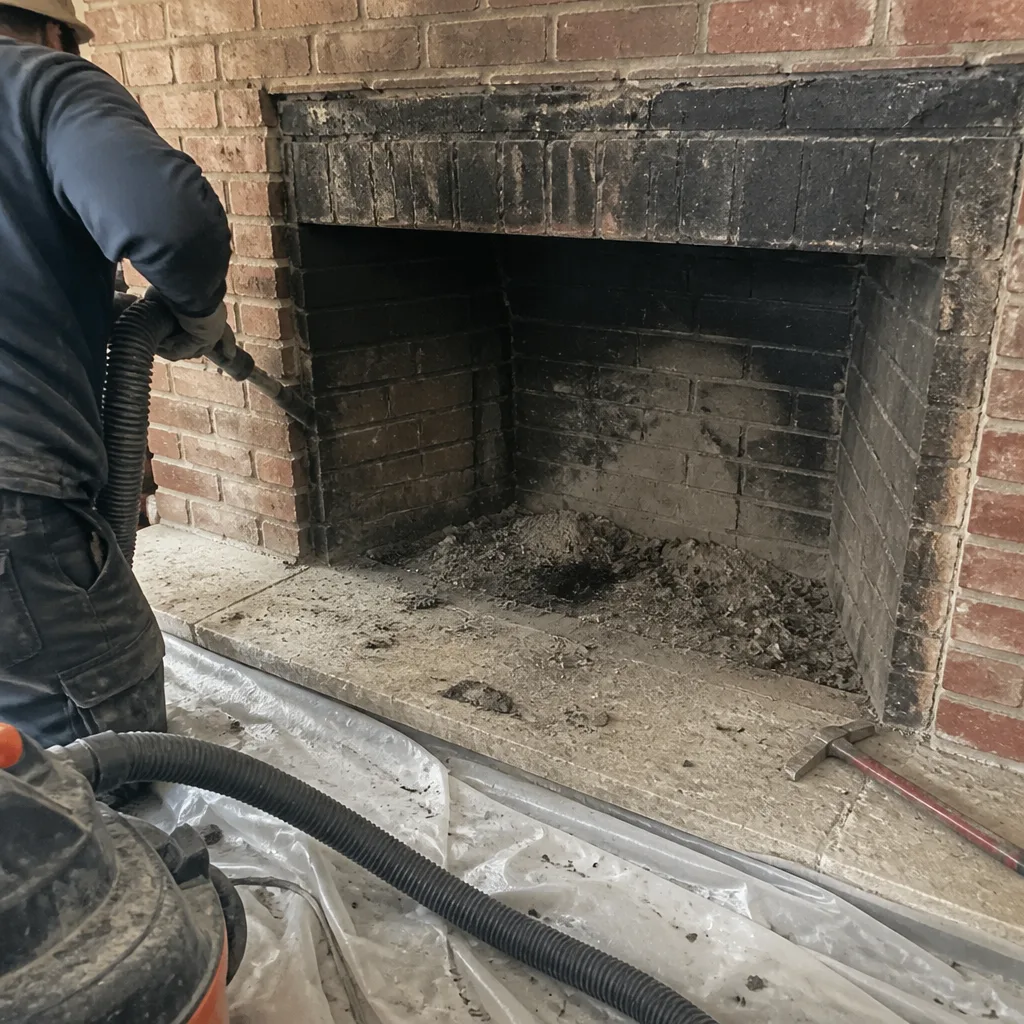 Before
 After
 Before
 After
When to Call a Professional
Some chimney conditions are routine maintenance; others need a trained technician and a documented inspection. Call us when you smell a persistent smoky odor from the fireplace even with no fire burning, when smoke rolls back into the room rather than up the flue, when you notice water staining on the chimney breast or ceiling, when you see damage on the cap or crown from the ground, when the chimney has never been inspected since you bought the home, or when your fuel type or appliance has changed. In each case, the diagnostic step is inspection, not guesswork. Chimney Sweep NoDa offers free estimates in NoDa. Call (844) 625-7169. We answer 24/7. Fast dispatch from 7am to 7pm, Sunday through Friday. Our technicians have up to 13 years of experience, and every chimney finding we recommend is documented with camera footage you can see for yourself before deciding.
Frequently Asked Questions
There’s no single price for a chimney cleaning in NoDa because the cost depends on the chimney type, the creosote stage, the access to the roof, and whether the appointment includes an inspection. A standard sweep on an accessible masonry flue in good condition costs less than a cleaning that has to remove Stage 2 or Stage 3 creosote or that includes a camera inspection. Call (844) 625-7169 for an exact quote, since estimates are free and the written estimate sets the final price.
For a wood-burning fireplace that’s used regularly, sweeping once a year is the standard cadence. For a home that only burns a few fires in a season, an inspection every year with a sweep performed on the inspector’s findings is enough. Gas inserts and fireplaces follow a different routine and typically need an inspection and burner service once a year. The building code is written around the principle that a chimney shouldn’t carry more than a set depth of creosote accumulation; the specific depth and cleaning trigger depend on your local code and appliance instructions, so ask your city’s building department or your appliance manual. Call (844) 625-7169 for an exact service recommendation for your home.
A cleaning is enough when the liner is intact and the creosote removal brings the flue back to a safe state. A liner is not a routine upsell; it’s what a Level 2 inspection recommends when the flue is cracked, shifted at a joint, or requires relayering because the original tile has failed. Ask for the camera footage of the damaged section before deciding. Our technicians can also install HeatShield ceramic resurfacing as an alternative to a full liner replacement when the flue conditions support it, or a DuraFlex flexible liner when the flue is beyond resurfacing. Call (844) 625-7169 for a free estimate, and see the footage before you decide.
The cost of skipping a cleaning isn’t just soot buildup; it’s the creosote accumulation that reaches stages a brush can’t safely remove, and the moisture damage that comes from a failed crown or cap. A chimney fire is the worst outcome, and carbon monoxide risk is the other; both are why an annual inspection exists. If your cap is missing or damaged, an uncured flue can also take on water damage that’s far more expensive to repair than a cleaning. Call (844) 625-7169 for a free estimate and we’ll tell you honestly whether work can safely wait.
No, not the same way. A gas insert doesn’t produce creosote the way wood does, so it typically needs an inspection of the venting and burner assembly rather than a brush down the flue. The vent joints, terminations, and safety pilot all need to be checked, and the burner and logs need to be cleaned with the gas off. Brushing a metal flue sized for an insert with a masonry brush is the wrong tool. Call (844) 625-7169 for a free estimate and we’ll match the service to the appliance.
We answer 24/7. A call outside dispatch hours is booked into the next opening, Sunday through Friday, 7am to 7pm. If your fireplace has a problem, the call still reaches us; the appointment gets scheduled on the first available slot.
The Bottom Line
Chimney cleaning in NoDa is not a single service. It’s a sweep and an inspection working together, matched to your chimney type: pre-1960s masonry, a converted mill house with a shared flue, a metal flue from recent infill, or a gas insert installed in place of an old wood firebox. A brush that only removes Stage 1 creosote leaves the dangerous deposits behind. A sweep that signs off without a camera inspection and a cap and crown check lets the cleaning be undone within a season. If you remember one point from this guide, remember that the cleaning and the inspection are the same appointment, and a written report showing the condition of the whole flue is the line between a service you can verify and one you can’t. Our team handles the full chimney envelope: cap, crown, liner, firebox, and flue, so findings from an inspection become a plan you can act on. Call (844) 625-7169 for a free estimate. We answer 24/7, with fast dispatch from 7am to 7pm, Sunday through Friday. For a comprehensive look at how all our services fit together, start with Chimney Sweep NoDa, and if your firebox itself needs attention, see our fireplace repair page. Whether the diagnosis is a cleaning, a resurfacing, a relining, or a cap replacement, you get one accountable contractor instead of coordinating three.
Written by the team at Chimney Sweep NoDa.