
Last updated November 24, 2026
 Sweep & inspection
 Caps & crowns
 Flue relining
 Masonry repair
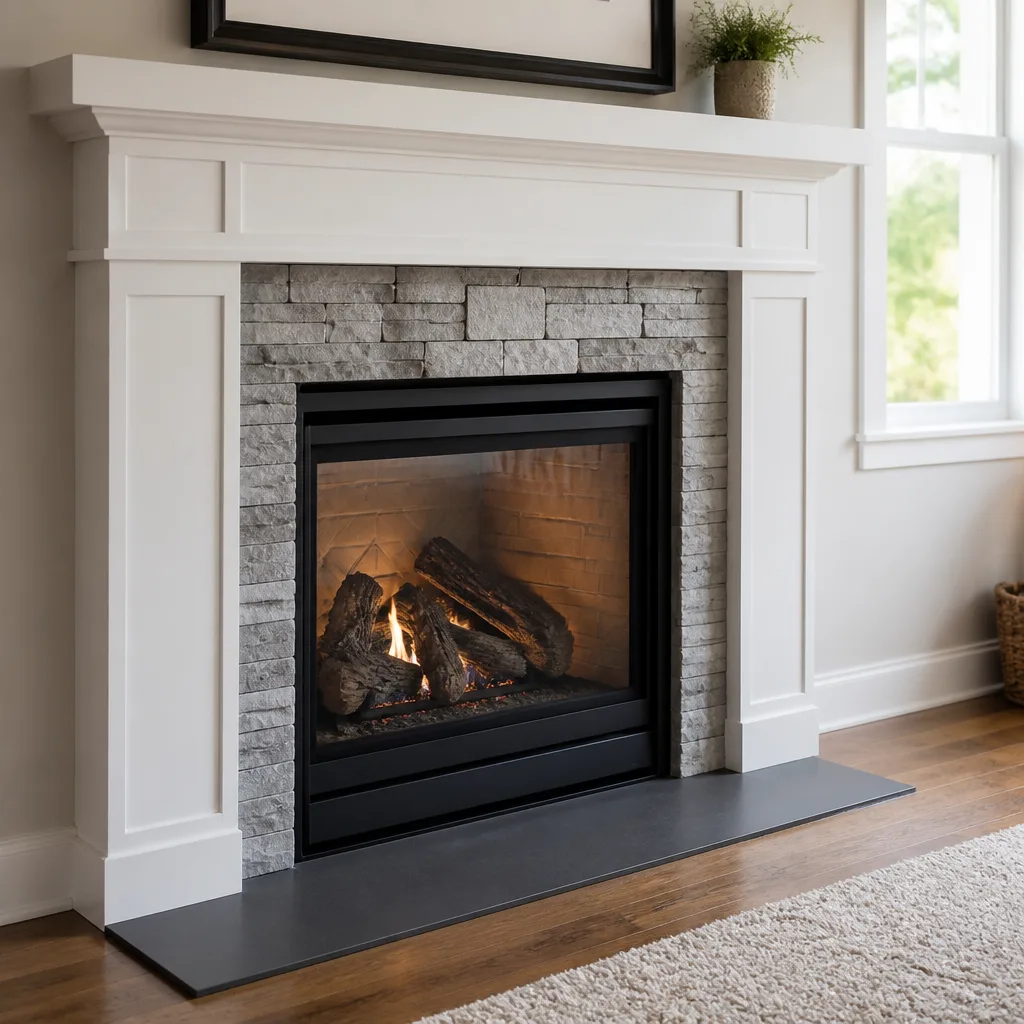 Gas fireplace service
Level 1 sweep and inspection to the NFPA 211 annual standard - flue, crown, cap, and flashing checked and photographed
Chimney sweep logs do not sweep chimneys. They loosen some creosote - which then falls where a brush and vacuum still have to collect it.
Chimney Sweep Maintenance Checklist for NoDa Homeowners
“Get it cleaned once a year” is the advice everyone repeats, and it’s incomplete. A sweep removes what’s there; it doesn’t tell you what was found, whether it was fixed, or what needs watching next. Without that thread, annual service becomes an annual fee. NoDa has plenty of 1920s mill houses with original masonry chimneys, plus newer renovations with modern flue systems, and the maintenance path looks different for each. This guide gives you the working checklist professionals actually use – sorted by fuel type, chimney age, and what the last service turned up – so you know what to verify before, during, and after every visit.
Quick Answer
A proper NoDa chimney maintenance checklist is a decision tree, not a fixed list. Wood-burning masonry chimneys need more frequent creosote monitoring and a crown check every year; gas fireplaces need annual venting and seal inspection but far less creosote attention; and every chimney needs written documentation of what was found. The checklist below walks you through pre-season self-checks, what to demand from a sweep after each visit, repair-specific next steps, and the red flags that turn a cleaning into a repair consultation.
Styles & brands we work with
- Sweep & inspection
- Caps & crowns
- Flue relining
- Masonry repair
- Gas fireplace service
Table of Contents
- Pre-Season Checklist: What NoDa Homeowners Can Safely Do Themselves
- What Documentation to Request After Every Sweep
- Maintenance Intervals by Fuel Type in NoDa’s Climate
- Post-Repair Monitoring: Confirming a Repair Is Holding
- Red-Flag Checklist: When Cleaning Becomes Repair
- Structured Inspection vs. Quick Look: Why It Matters
- Cap and Crown Checks: The Top of the Chimney Does Most of the Work
- Frequently Asked Questions
Pre-Season Checklist: What NoDa Homeowners Can Safely Do Themselves
You don’t need training to catch most of the visible warning signs. You do need to know what you’re looking at – and to know when to stop looking and call someone. Here’s the homeowner-safe pre-season walkthrough. These checks are visual only; nothing here involves reaching into the flue or handling any part of the chimney’s internal structure.
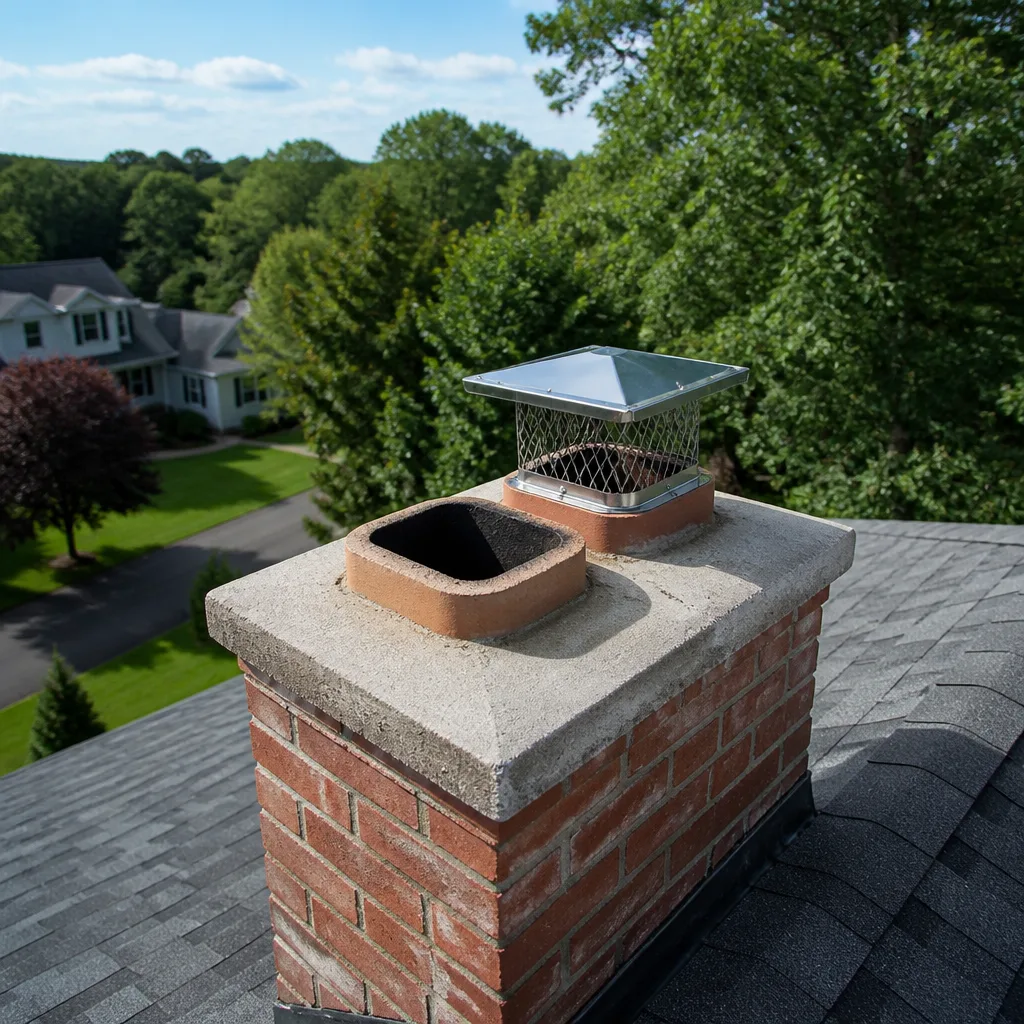
1. Crown check from the ground. Look at the concrete or mortar slab on top of the chimney. It should slope slightly away from the flue pipe and show no cracks wider than a hairline. A cracked crown lets water wick into the masonry below, which is one of the most common causes of interior chimney damage we see in NoDa. Note the condition and mention it when booking your sweep.
2. Damper function test. Open and close the damper a few times with the fireplace cold. It should move smoothly with no grinding, and it should seal flat when closed. A damper that sticks or won’t close fully is worth flagging during your service visit because it can let heated air escape up the chimney when the fireplace is idle.
3. Smoke chamber mirror inspection. Hold a small mirror at a low angle into the firebox opening, angled upward with a flashlight. You’re looking for visible cracks in the brick or heavy soot accumulation in the smoke chamber above the damper. You won’t see the whole chamber – that requires a proper camera – but visible cracking at the opening edge is worth flagging.
4. Exterior masonry walk-around. From outside the house, look for white chalky staining (efflorescence, which signals moisture moving through the brick), loose mortar, or visible gaps in the mortar joints. Also check the flashing where the chimney meets the roof.
5. Creosote check at the damper. With a flashlight, look up past the damper at the first few feet of flue. Glossy, tar-like buildup means stage 3 creosote; you need a sweep before the season, not after. Flaky, sooty buildup is stage 1 or early stage 2 – normal between services.
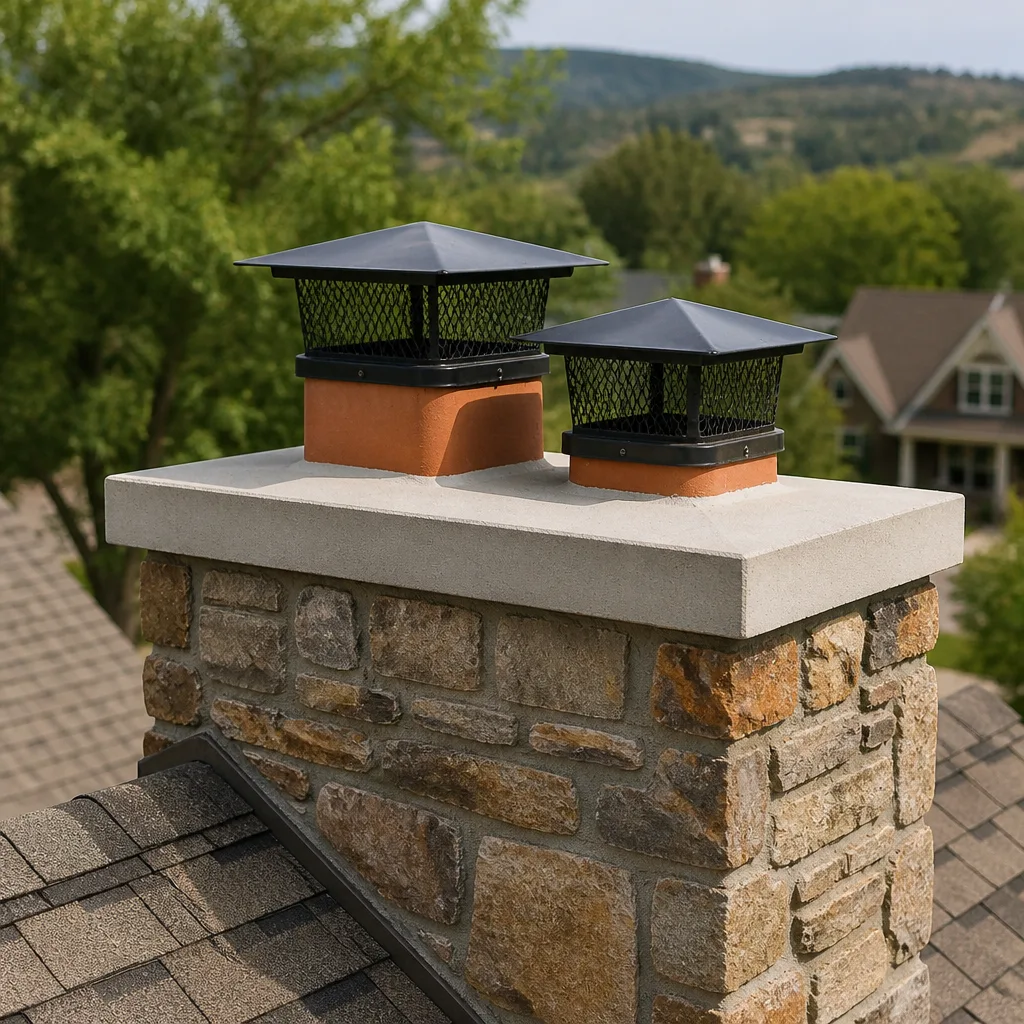
6. Cap integrity check. From the ground or a window, confirm the cap is seated and the mesh is intact. A loose or missing cap lets rain, birds, and debris straight into the flue.
Once you have all six checks done, you know more about your chimney than most homeowners do. Take notes or photos. That information makes your service appointment more productive.
What Documentation to Request After Every Sweep
A sweep that leaves no paper trail leaves you in the dark. The difference between a useful annual service and a wasted fee is what you walk away with. Here’s exactly what to ask for – and what to do if you don’t get it.
Written inspection report. Not a verbal summary, not a sticky note. A written report that lists each component checked – crown, cap, flue lining, firebox, damper, smoke chamber, flashing – and states the condition of each. The report is the foundation of everything that follows; without it, next year’s sweep starts from zero.
Photo evidence of the flue interior. A camera inspection of the flue is standard practice, and the images should come with the report. You should be able to see the flue lining for yourself and see what the technician saw. This is your evidence that a repair recommendation is based on observed conditions rather than guesswork. If a sweep can’t show you the images, ask why.
Written creosote stage assessment. The National Fire Protection Association categorizes creosote in three stages, from light soot to glazed tar. Your report should state which stage was found, in which sections of the flue, and what that means for your next service interval. A report that just says “cleaned, no issues” is missing the most important information.
Measurement or verification for gas units. For gas fireplaces, ask whether venting was checked and whether the seals and connections at the burner were inspected. You want confirmation that the exhaust pathway is clear and intact.
A written recommendation with timing. If the sweep finds something that needs work, the report should state what it is, what it means, and whether it can safely wait or needs attention before the next burn season. That last distinction matters – a crown hairline crack is different from a degraded liner.
If you book a chimney sweep, you can expect a written report and photo documentation as standard. That level of documentation is what lets you track your chimney’s condition year over year, and it’s what lets you tell whether a repair estimate is based on real findings or something else.
Maintenance Intervals by Fuel Type in NoDa’s Climate
One annual sweep across the board is a rough average, not a real schedule. The right interval depends on how you burn, what you burn, and what the flue is made of. Here’s how it breaks down for the three main fireplace types we see across NoDa.
Wood-Burning Masonry Chimneys
NoDa’s climate means a burn season that typically runs from late October into early spring, with cold snaps that send Charlotte-area homeowners back to the fireplace even in mild winters. Three to four months of regular burning is enough to build meaningful creosote, especially if you burn more softwood than hardwood or tend to damp the fire down overnight (which increases creosote production). Schedule your sweep once annually if you burn regularly, and after every cord of wood if your burning is heavy.
Gas Fireplaces (Vented or Vent-Free)
Gas fireplaces don’t produce wood creosote, but they’re not maintenance-free. Vented gas units can collect debris in the vent pipe, and the vent connector and seals need checking. Vent-free units produce water vapor that can contribute to moisture problems in the firebox and nearby masonry. Annual inspection is still the right call – less for creosote, more for venting, seals, and component condition. A NoDa homeowner with a gas insert that runs a few hours a week may find an inspection-only year is appropriate if the prior inspection showed clean venting and intact components.
Dual-Use Fireplaces
Some NoDa homes have a gas starter or a gas log set installed in an otherwise wood-burning fireplace. These need the full wood-burning maintenance schedule plus gas component inspection. Creosote buildup still happens when you burn wood, but you also need the burner, gas line, and log set checked for correct operation. Don’t let the presence of a gas component let you skip the annual wood-chimney sweep.
Post-Repair Monitoring: Confirming a Repair Is Holding
A repair isn’t done when the invoice is paid. It’s done when the repair has held through a full heating and cooling cycle. For most repairs done in NoDa, a check at about 90 days gives enough seasonal swing – up through a hot summer, or down through a cold winter – to confirm the repair is stable. Here’s what to look for by repair type.
Liner Resurfacing (HeatShield or Similar)
HeatShield ceramic flue resurfacing is a proven alternative to full replacement liner when flue conditions allow it, and it’s certified work that not every sweep technician can perform. After resurfacing, the homeowner’s 90-day check is mostly visual: verify with the contractor that a follow-up inspection was completed and that photo documentation of the finished surface exists. When you look at the firebox from outside, you shouldn’t see any new spalling or flaking near the damper.
Flexible Liner Installation
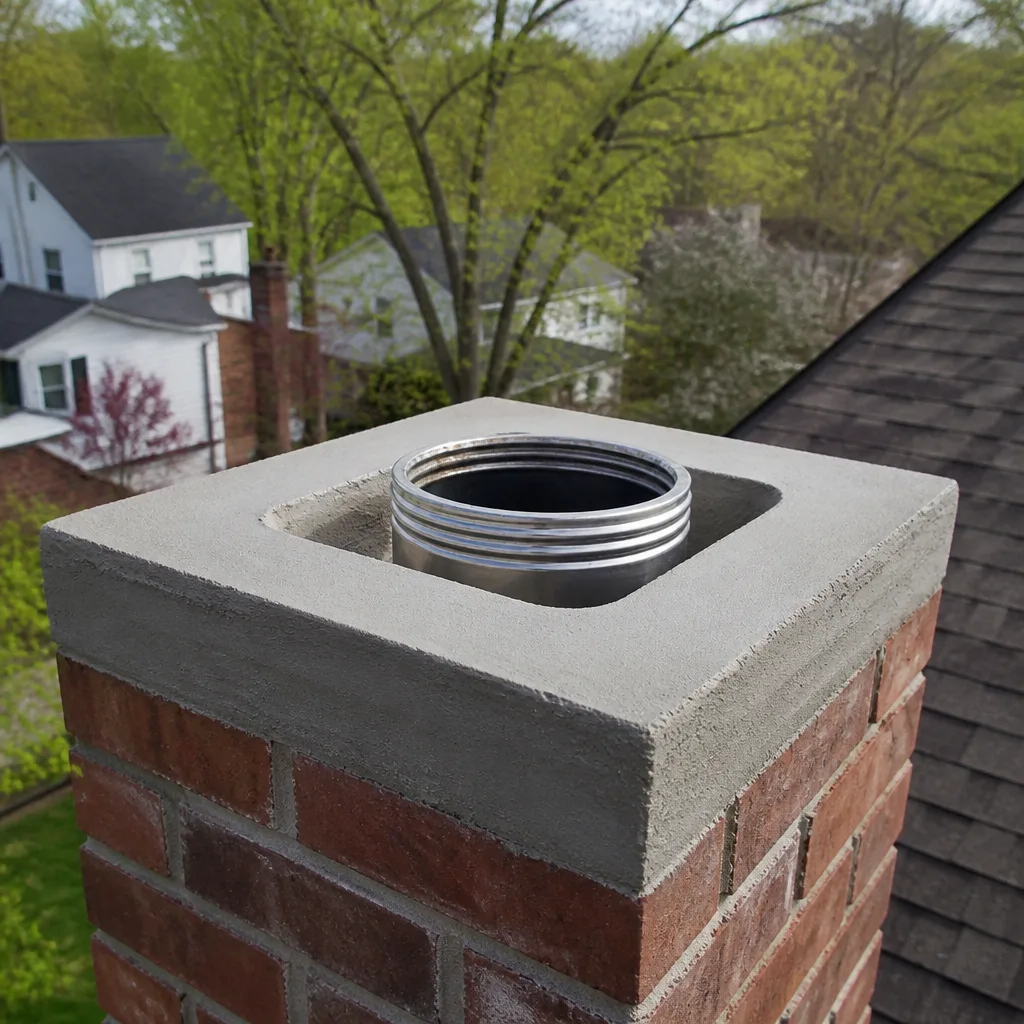
A DuraFlex flexible liner system should seat cleanly with no visible kinks at the top plate. At 90 days, confirm no new water staining has appeared on the chimney interior, and that the cap and top plate connection are tight. If you had a liner installed because the old one was cracked or undersized, a follow-up camera check at 90 days confirms the new liner is intact and clear of debris.
Crown or Cap Work
A new cap should still be seated with intact mesh. A crown should show no new cracks – hairline cracks after a cold winter are normal and expected; wide splits or crumbling is not. If you had a chimney cap & crown repair, do a visual check from the ground once the weather has cycled through a season, and note any change from the condition at installation.
Firebox or Masonry Repair
For firebox and masonry repairs done with Gelco or Olympia Chimney materials, the 90-day check is also visual: no new cracks in the repair material, no loose brick, no crumbling mortar. If you notice any change from what the repair looked like when it was completed, that’s the point to call for a re-check before the next burn season. Any good fireplace repair contractor will want to know that the repair is holding.
Red-Flag Checklist: When Cleaning Becomes Repair
Not every cleaning turns into repair work. But some findings do, and knowing which flags mean a conversation – versus which mean a repair consultation – helps you respond appropriately instead of being swept up in a sales pitch or ignoring something important. Here are the eight red flags worth acting on.
- Glazed, tar-like creosote (stage 3). This doesn’t sweep off with a brush; it may need chemical treatment or relining. Any sweep that finds this should be recommending more than a cleaning.
- Visible cracks in the flue liner. A cracked clay tile or stainless liner lets heat reach the framing around the chimney, which is a serious fire risk. This needs repair before the next fire.
- Undersized flue for the fireplace opening. A flue that’s too small for the firebox creates poor draft and can allow combustion gases to back into the home. Relining may be the fix.
- Water staining on the chimney interior. Usually comes from a failing crown, damaged flashing, or a missing cap. Water in the chimney shouldn’t wait for the next burn season.
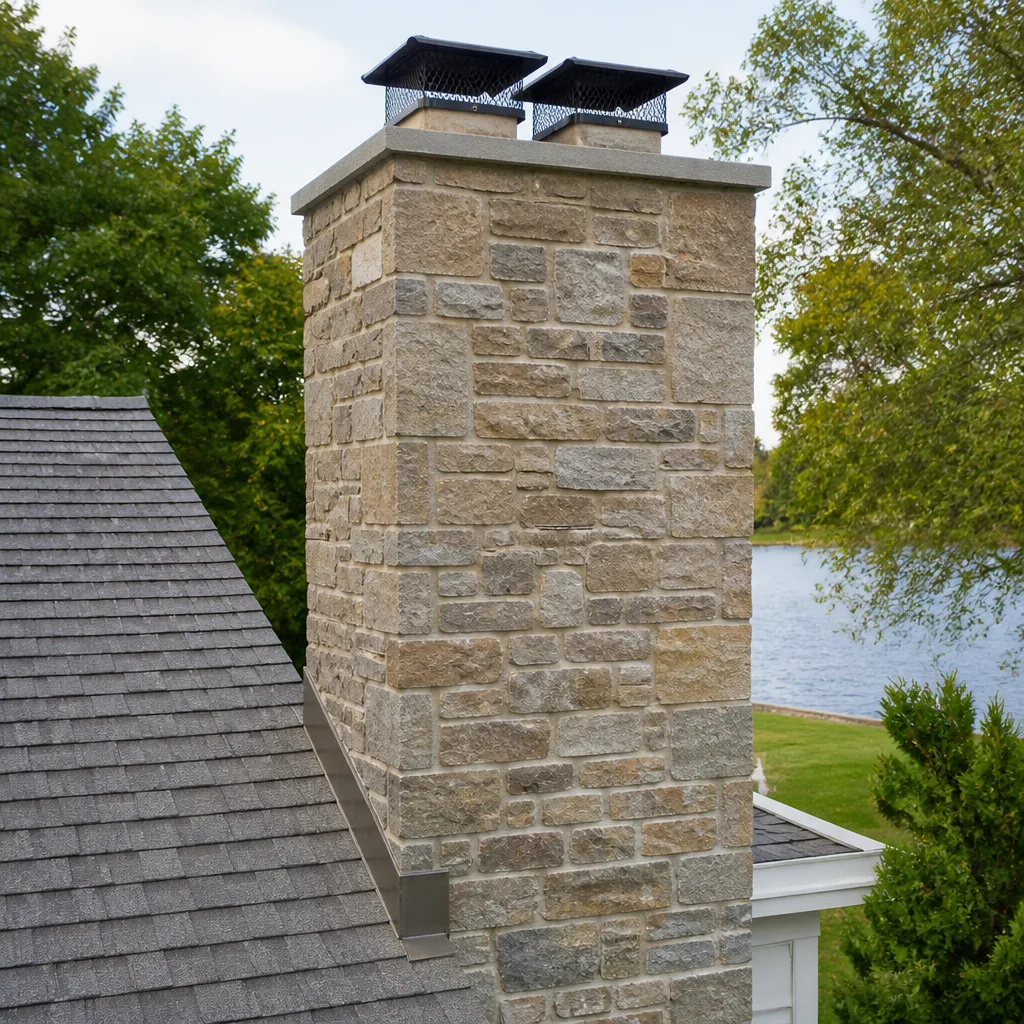
- Spalling or crumbling brick near the firebox or crown. Freeze-thaw cycles in the Charlotte area cause mortar and brick to break down, and masonry that looked fine in October can split in a cold snap. This needs masonry repair.
- Cracked or collapsed crown. A crown that’s cracked wide or crumbling lets water in and should be repaired or replaced before the next rain season.
- Damper that won’t seal. A damper that won’t close means heat escapes year-round and cold air gets in during winter. Usually a simple repair, but worth handling.
- Interior staining or a smoky smell after burns. Draft problems or liner issues. This can be a warning sign that needs a camera inspection rather than just a brush.
If two or more of these show up in your next service, you’re looking at a repair conversation, not a cleaning. Call (844) 625-7169 to discuss findings and get a written estimate.
Structured Inspection vs. Quick Look: Why It Matters
The most important sentence in this guide is this: an inspection is not a checkbox before the cleaning. It’s a separate, documented service – and it’s the piece that determines whether your annual sweep is doing the job it should. A quick look catches the obvious; a structured inspection catches everything else.
At each of the three inspection levels in the industry – level 1, level 2, and level 3 – the scope of what gets examined and documented is different. A level 1 inspection covers readily accessible portions of the chimney and venting system. A level 2 inspection includes the parts of the system accessible through the fireplace opening and from accessible points above the roof, and typically requires a camera. A level 3 inspection is for specific problem areas and may require removing parts of the chimney structure. The right level for your situation depends on what the last inspection turned up and whether there’s a suspected issue.
The practical point for NoDa homeowners: a structured inspection gives you a condition assessment independent of any repair upsell. You walk away with documentation, photos, and a written report you can hold on to. If repairs come up, they come up from documented findings, not from a technician’s verbal “your chimney needs work.” This is the one piece of information I’d underline if you only read one section of this list.
Chimney Sweep NoDa treats inspection as a standalone service, and covers inspection findings and repair work together so you’re not coordinating between a sweep, a mason, and a cap installer. Our technicians have up to 13 years of experience across the full chimney system, and they work with professional-grade materials from DuraFlex, Olympia Chimney, and other brands. The full picture starts with a documented inspection.
Cap and Crown Checks: The Top of the Chimney Does Most of the Work
The two things that protect a chimney from the weather are both at the very top of it. The cap covers the flue opening and keeps rain, birds, and debris out; the crown is the masonry or concrete slab that slopes water away from the flue and the chimney body. Both are working hard in the Charlotte-area climate, where summer thunderstorms and winter freeze-thaw cycles take a toll on exterior masonry.
Cap Check
At each service visit, the cap should be inspected for:
- Cap seated firmly on the chimney’s od.
- Mesh intact with no visible gaps or deterioration.
- No rust-through or visible damage to a stainless or metal cap.
- Rain still shedding properly – no interior water staining below the cap.
If the cap is missing, cracked, or badly degraded, replacement is one of the more effective ways to protect your chimney. That’s basic weatherproofing rather than a luxury.
Crown Check
The crown is more vulnerable than most homeowners realize. A properly formed crown slopes away from the flue by a slight angle so water sheds off the top. When cracks appear – from freeze-thaw or age – water wicks into the mortar joints below the crown, which shows up as white efflorescence on the exterior brick or staining on the interior chimney face inside the house. A crown coat repair is a way to re-seal and re-slope the top surface without rebuilding the whole crown; a crown replacement is done when the condition is bad enough. If you aren’t sure, a Chimney Sweep NoDa visit gives you a documented assessment to go on.
Frequently Asked Questions
Once a year is the standard for wood-burning fireplaces with regular use, and after every cord of wood for heavy burners. Gas fireplaces can often go a year between inspections with less creosote risk; the inspection is about venting, seals, and component condition. Dual-use fireplaces follow the wood-burning schedule. Call (844) 625-7169 for a maintenance schedule that fits your setup.
A written inspection report, photo documentation of the flue interior, and a written creosote stage assessment. These are the three things that make the difference between an annual check that’s genuinely useful and an annual fee. Ask for all three before the sweep starts. Call (844) 625-7169 and we’ll be clear about what the report includes.
Yes. A sweep is a cleaning; maintenance is the full cycle of pre-season checks, documented inspection, sweep, and post-service monitoring. A maintenance checklist is what makes each sweep additive over time – you’re not starting from scratch each season. If you’re not sure which service you need, call (844) 625-7169 for a free estimate.
No. A report should tell you the condition of each component – crown, cap, flue, firebox, damper, smoke chamber – and the creosote stage found. “No issues” tells you nothing about what was checked or what to watch next season. If you have a report that doesn’t cover those points, it’s worthwhile getting a documented second look. Call (844) 625-7169 for a free estimate on a standalone inspection.
Late summer or early fall works well for most NoDa homeowners: the hot months are behind you, you’re close to the first cool nights, and the seasonal calendar is less busy. Getting it done before you start burning regularly also means the sweep can assess the full system dry, without recent soot obscuring conditions. Call (844) 625-7169. We answer 24/7. Fast dispatch from 7am to 7pm, Sunday through Friday.
White chalky staining is efflorescence – mineral salts left on the surface as water migrates through the masonry. It’s a sign that moisture is getting into the chimney body, typically via a cracked crown, damaged flashing, or a failing cap. It’s worth noting on your pre-season checklist and having it assessed. Call (844) 625-7169 for a free estimate.
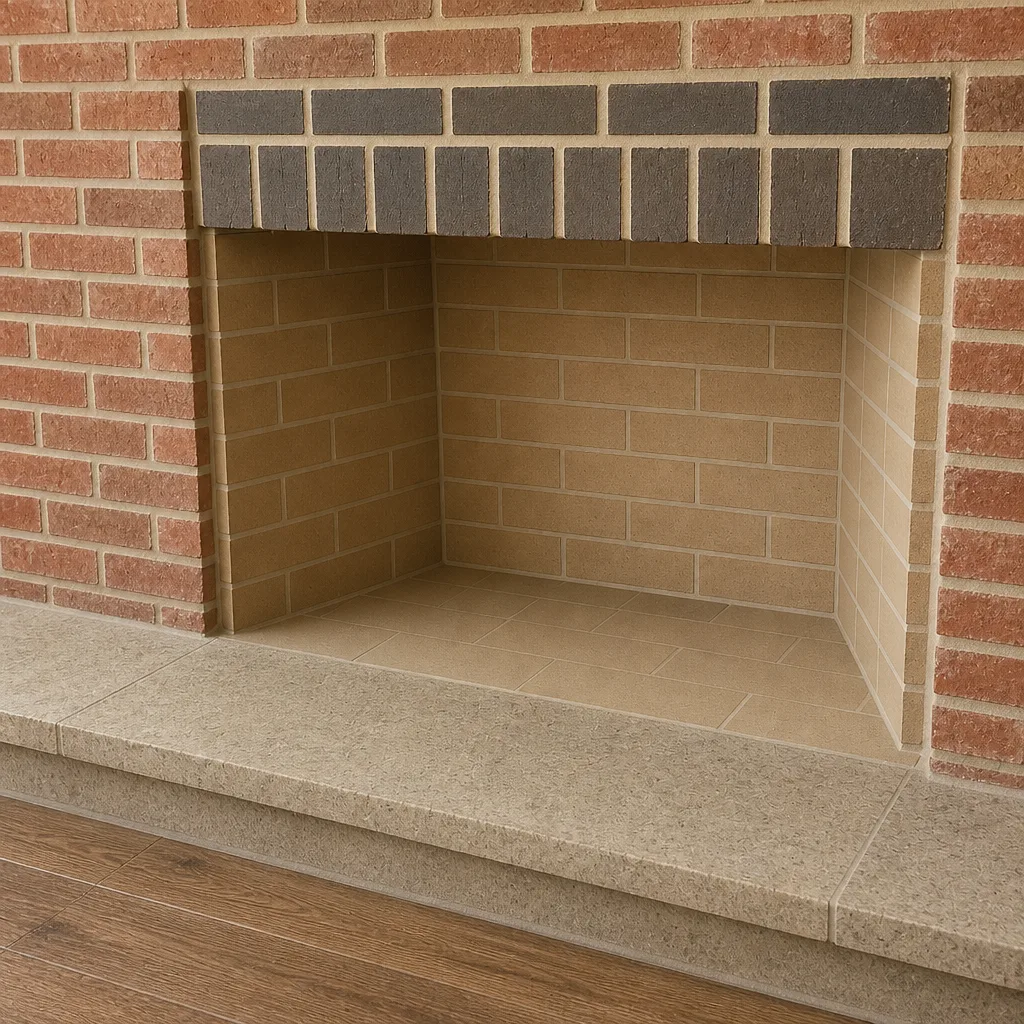
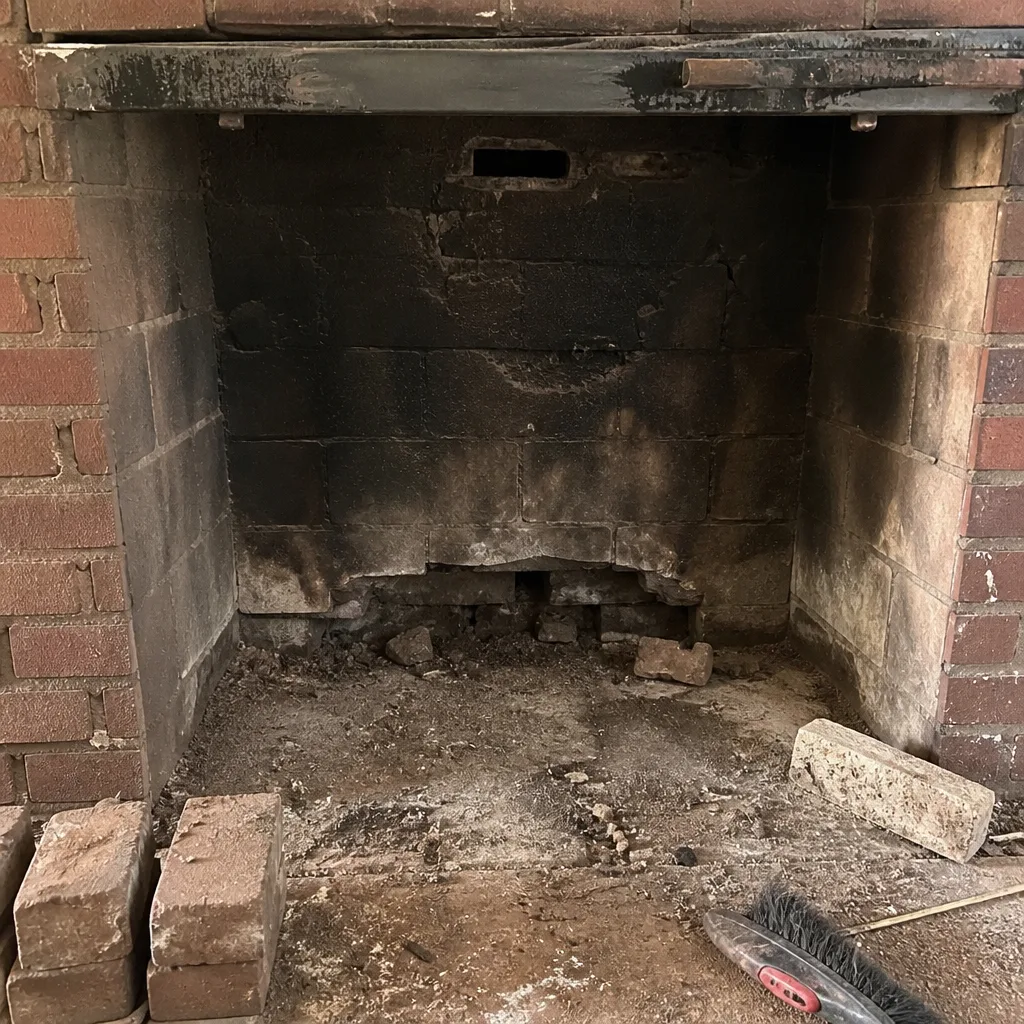
See the difference
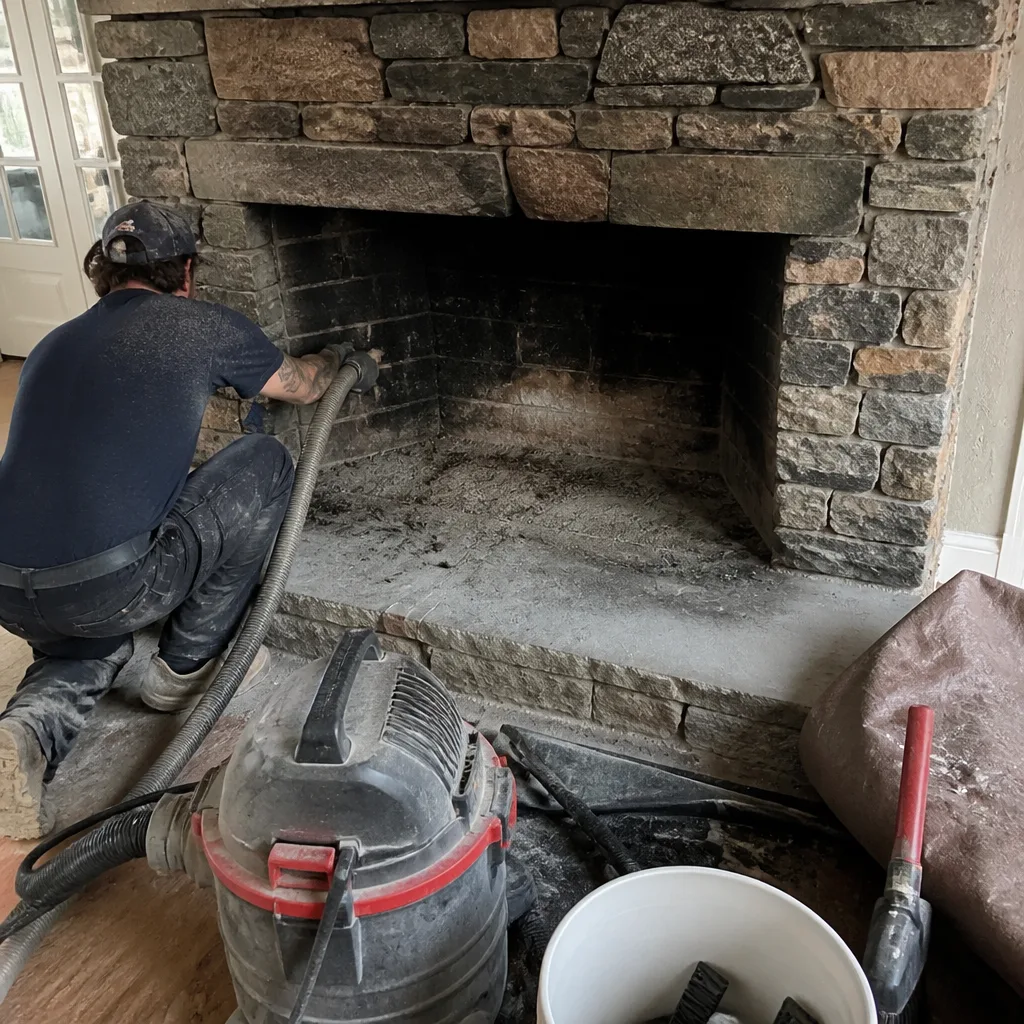 Before
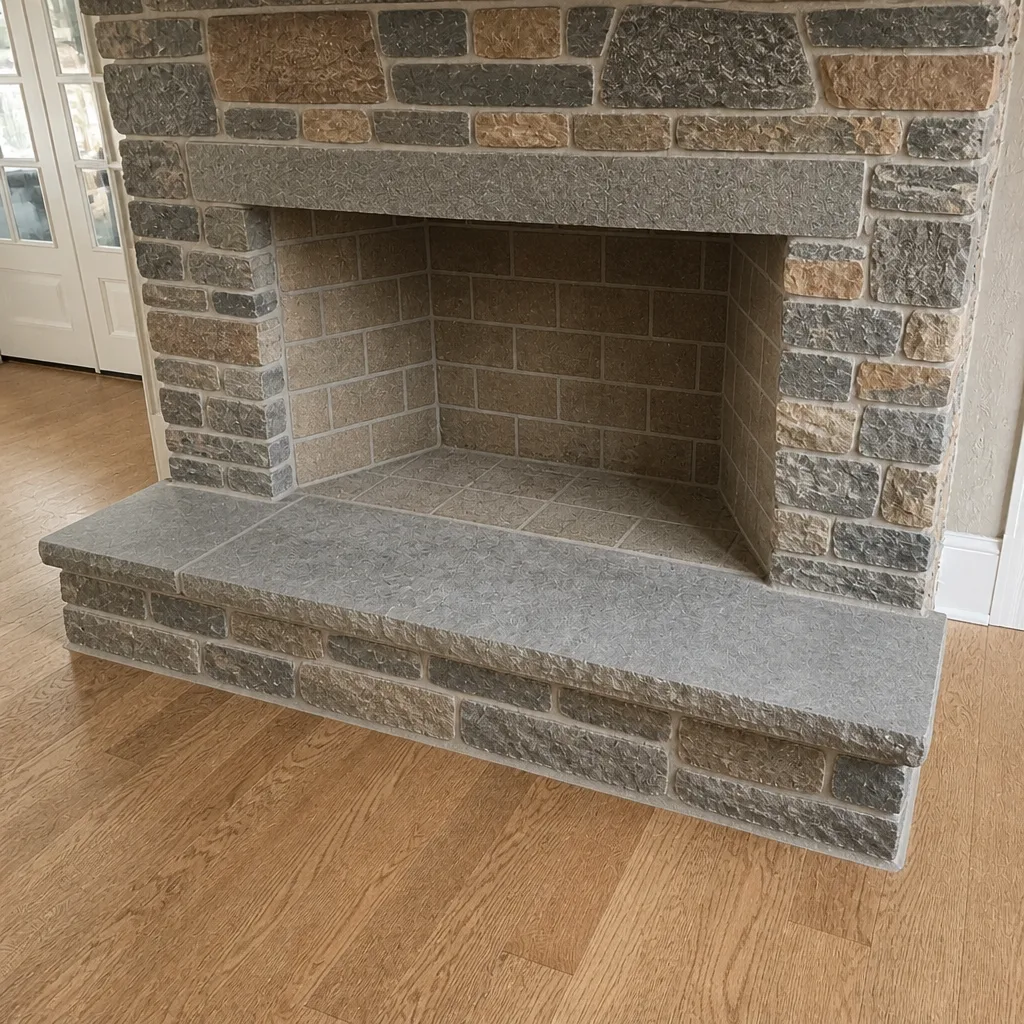 After
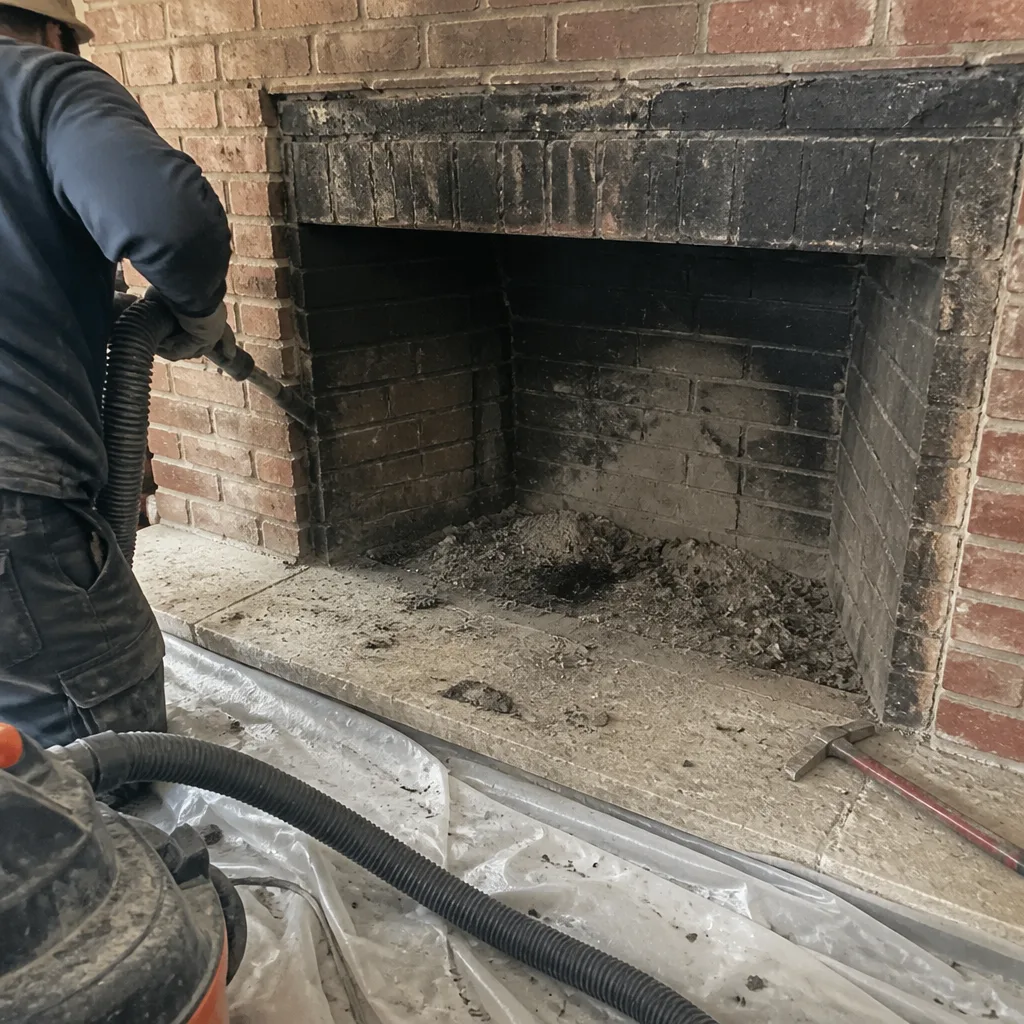 Before
 After
 Before
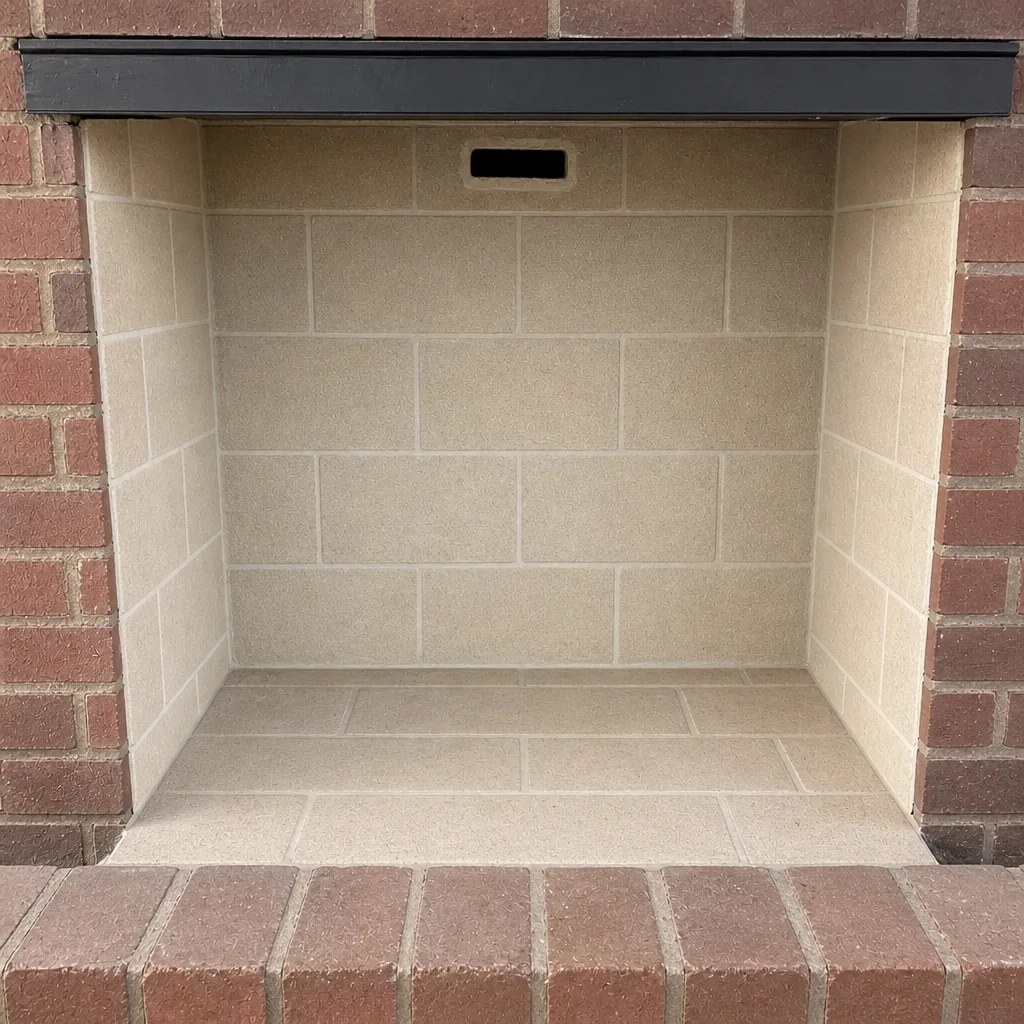 After
Common Mistakes to Avoid
- Skipping the inspection and just getting the sweep. The sweep cleans the flue; the inspection tells you whether the rest of the system is sound. Without the inspection, you don’t know if the flue is cracked or the crown is failing. Both need to be part of every appointment.
- Never asking for photo documentation. Creosote stage and flue condition are things you can see. If your sweep can’t show you the images, you’re relying on verbal assurance for a safety issue you can’t verify yourself.
- Assuming gas means no maintenance. Gas fireplaces don’t build wood creosote, but they still need venting, seal, and component checks. A gas insert that runs a few hours a week can still develop issues in the vent connector or firebox over time.
- Ignoring a crown crack because it “looks like a hairline.” A hairline crack in a crown that has seen multiple freeze-thaw cycles is going to become a real leak at some point. Crown work is more straightforward than masonry repair – handle it before the crack gets bigger.
- Letting the last visit’s findings drop. If the last sweep recommended monitoring a liner or re-checking a crown after a season, track that. The documentation exists for a reason – to give you a condition baseline.
- Booking a sweep and inspection from a sweep-only crew, then hiring a mason for the cap and a liner contractor for the flue. That’s three separate contractors who may never speak to each other. If you’re going to have multiple findings, a single-source contractor covers cap, crown, liner, firebox, and flue.
- Skipping the 90-day post-repair check on liner resurfacing or crown work. A repair that hasn’t been verified is a repair you don’t know is holding.
When to Call a Professional
Some things you check yourself; some things you don’t. You should call a professional when you’ve spotted glazed or tar-like creosote at the damper, when you’ve seen visible cracks in the flue liner or a crumbling crown, or when you’re two or more red flags deep from the checklist above. Call a professional whenever your last service report recommended monitoring a condition and the next service is due. Don’t reach into the flue; don’t try to assess a liner crack or a firebox crack yourself. A trained technician with a camera inspection can tell you exactly what needs repair, what can safely wait, and what options exist. Chimney Sweep NoDa offers free estimates in NoDa – call (844) 625-7169. We answer 24/7. Fast dispatch from 7am to 7pm, Sunday through Friday.
The Bottom Line
A chimney maintenance checklist is only as useful as the documentation that follows the service. The three things that matter most: get a written inspection report with photo evidence after every visit, track the creosote stage and the recommended interval for your fuel type, and do a 90-day check after any repair to confirm it’s holding. NoDa homeowners who track these three things end up with fewer surprises – and know when something that looks minor is actually a repair conversation. For a documented condition assessment or a written estimate, Chimney Sweep NoDa is here to help.
Call (844) 625-7169 for a free estimate. We answer 24/7. Fast dispatch from 7am to 7pm, Sunday through Friday.
Written by the team at Chimney Sweep NoDa.