
Last updated November 24, 2026
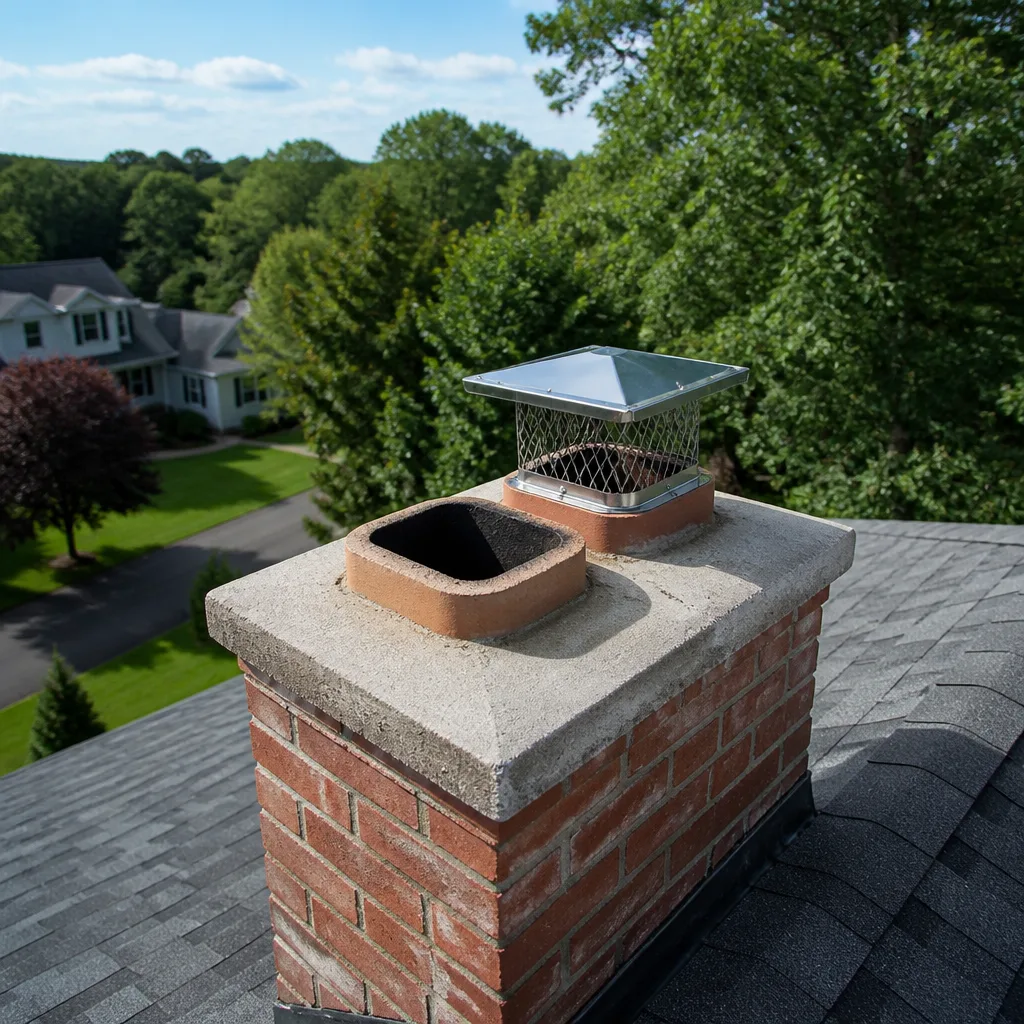 Sweep & inspection
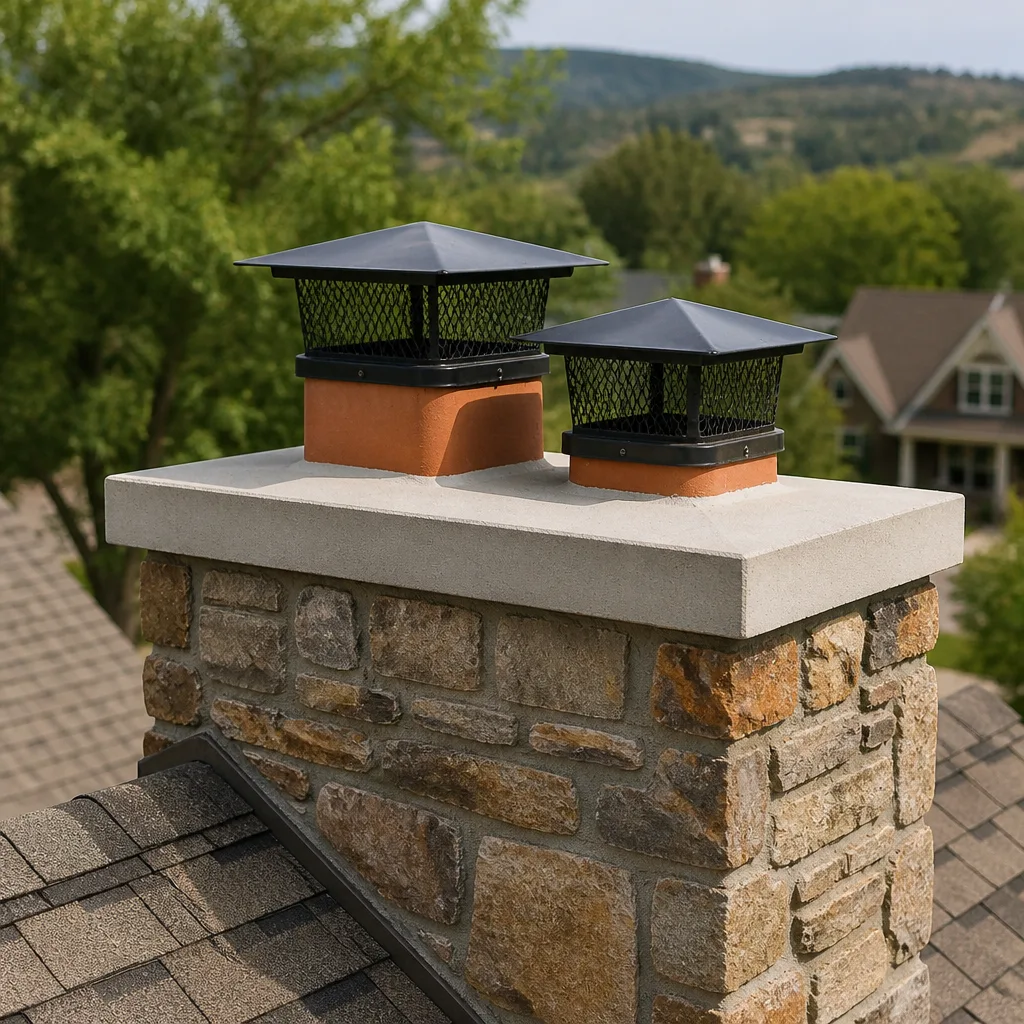 Caps & crowns
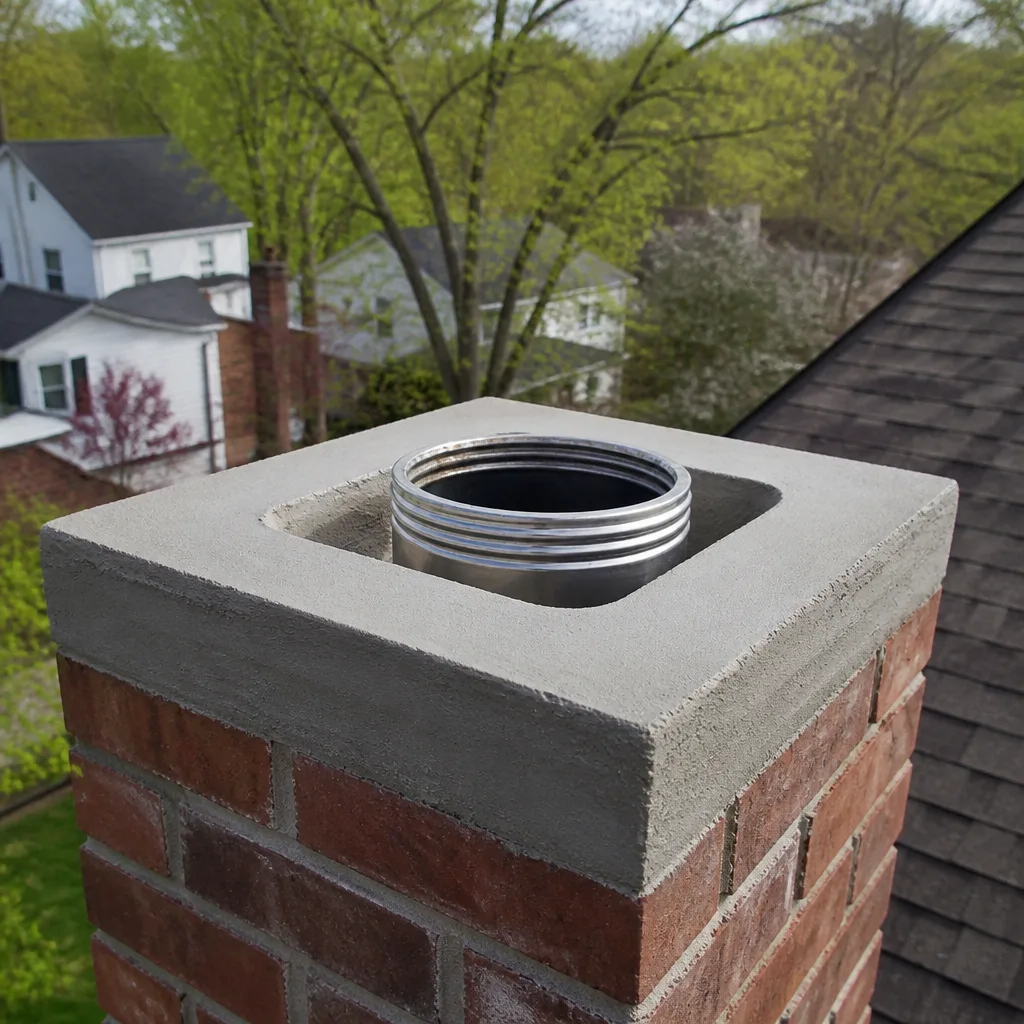 Flue relining
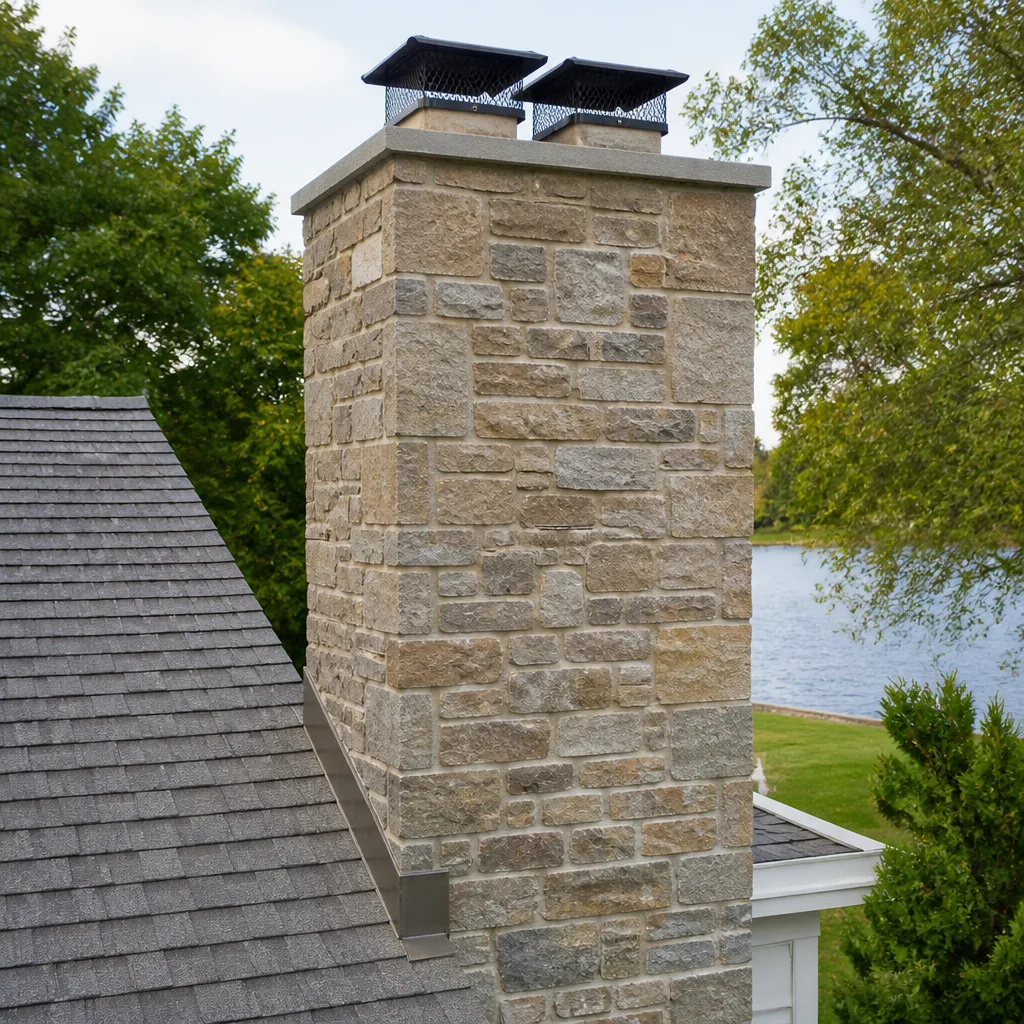 Masonry repair
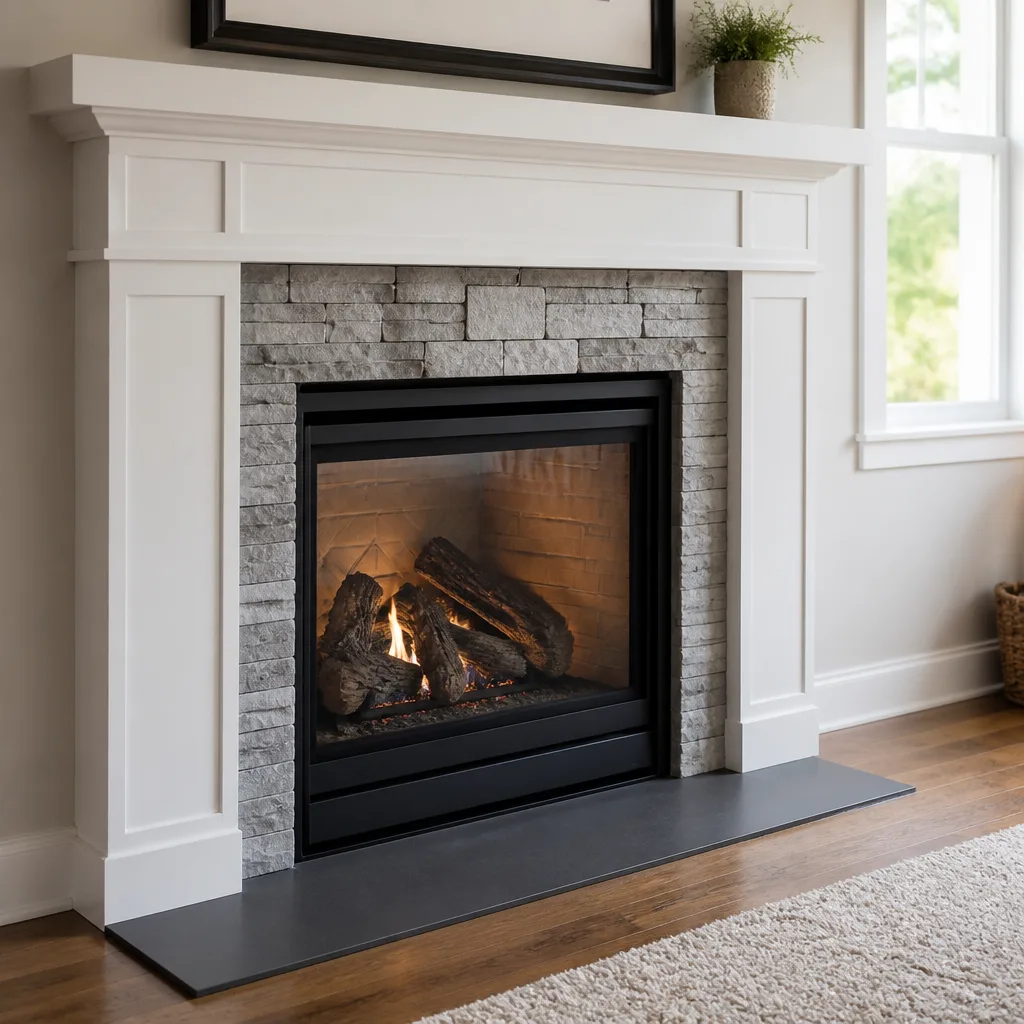 Gas fireplace service
Level 1 sweep and inspection to the NFPA 211 annual standard - flue, crown, cap, and flashing checked and photographed
Chimney sweep logs do not sweep chimneys. They loosen some creosote - which then falls where a brush and vacuum still have to collect it.
DIY vs Professional Chimney Cleaning: The NoDa Homeowner’s Decision Guide
You can clean a chimney yourself and still have a dangerous chimney. Not because DIY is inherently wrong, but because cleaning and inspecting are two different skills that require two different tools. A brush kit removes soot. It does not tell you what that soot was coating, how thick the creosote has built up inside the flue, whether the liner has cracked, or whether the smoke chamber is shedding. Those are the answers that determine whether your fireplace is safe to burn in this winter. This guide draws the line by task, not by principle, so you know exactly what you can handle in your NoDa home and what genuinely needs a trained eye and a camera.
Quick Answer
Homeowners can safely handle firebox vacuuming, brushing an accessible smoke shelf, and exterior visual walkthroughs. Flue interior inspection, creosote stage assessment, liner evaluation, and smoke chamber camera work cannot be safely DIY’d because they require specialized rod systems, inspection cameras, and the training to read what those tools reveal. The practical answer for most NoDa homeowners is a hybrid: annual professional service with documented inspection, plus simple mid-season visual checks you do yourself.
Styles & brands we work with
- Sweep & inspection
- Caps & crowns
- Flue relining
- Masonry repair
- Gas fireplace service
Table of Contents
- What a Homeowner Can Legitimately DIY
- What Cannot Be Safely DIY’d, and Why
- The Equipment Gap: Consumer Brush vs Professional Rod System
- Reading Creosote: Why Stage Matters More Than Depth
- The Liability Reality of a DIY Cleaning
- The Hybrid Approach That Actually Makes Sense
- Your Mid-Season Homeowner Checklist
- When to Call a Professional
What a Homeowner Can Legitimately DIY
There’s a real amount of chimney work a careful homeowner can do, and we’d rather you understand which tasks those are than treat the whole chimney as untouchable. The tasks below are low-risk when you have the right equipment, follow basic safety, and know your own limits.
Firebox vacuuming is the simplest. Once the firebox is cold and fully cleared of ash, a shop vacuum with a HEPA filter pulls loose soot and debris off the floor and up the back wall. Sweep ash into a metal can with a lid and set it outside, away from the house. Never vacuum warm ash; it can reignite inside the canister.
Brushing an accessible smoke shelf is the second legitimate task. The smoke shelf sits behind the damper and above the firebox, a ledge where creosote and soot collect. From inside the firebox, a hand brush reaches the visible portion of the shelf and the lower smoke chamber damper frame. This is a surface job. If you can’t see the area clearly, don’t reach into it blind.
Exterior visual walkthroughs give you the most useful DIY information of all. Walk the outside of the chimney from ground level and check the crown, cap, flashing, and any visible brick spalling. Do it once when you move in and once each season. Note cracks in the crown, gaps between the cap and flue tile, water staining, or crumbling mortar. A written log of what you see each year is genuinely valuable; bring it to your professional inspection.
What ties these tasks together is that they’re surface work. They don’t require you to go above the damper, open a flue from the top, or evaluate the interior. The moment a task asks you to climb a roof, insert a rod system, or judge what’s inside the flue, you’re in different territory.
What Cannot Be Safely DIY’d, and Why
Four tasks look like extensions of DIY but aren’t. Each one requires tools and training that don’t scale down to the homeowner.
Flue interior inspection. A visual inspection from the top of the flue or the firebox mouth sees only the first foot or two. The rest of the flue is dark, often offset or angled, and impossible to evaluate without a rod-mounted inspection camera. We’ve seen flues with no visible issue from the firebox that had significant joint separation two feet up. The only way to know is to look with the right tool.
Creosote stage assessment. Creosote exists on a scale that runs from light soot to a glazed, tar-like coating that’s essentially fuel. Telling stage one from stage three by eye from the firebox is not possible. Stage three creosote requires the trained technician to identify it and, often, to remove it with specialized tools that don’t leave tar residue in reach of the next fire. In a NoDa home with an older fireplace and a well-used flue, this is exactly the judgment call that determines whether the chimney can safely see another season.
Liner condition evaluation. The liner is the flue’s protective layer. Cracks, gaps, and corrosion in a metal liner or spalling in a clay tile liner are the conditions that let heat and carbon monoxide into the house structure. Reading liner condition requires camera work plus the training to distinguish a hairline crack that’s structural from one that isn’t. That’s the kind of assessment a professional makes; a homeowner cannot.
Smoke chamber inspection without a camera. The smoke chamber sits between the damper and the flue, a sloped area where smoke transitions from the firebox up the flue. The chamber walls collect creosote and can develop cracks that leak smoke into the house or feed a chimney fire. Without a camera, the smoke chamber is essentially invisible.
What all four tasks have in common is that they’re diagnostic, not cleaning. A brush removes accessible soot. It doesn’t tell you what the soot was sitting on or whether the surface underneath is intact. That difference is the whole debate.
The Equipment Gap: Consumer Brush vs Professional Rod System
The difference between a homeowner brush kit and a professional rod system isn’t price. It’s thoroughness. A consumer kit reaches where it’s aimed; a professional system is built to reach the entire interior by design.
Here’s what the two actually consist of:
- Consumer brush kit: A short brush head, three to five flexible fiberglass rods, and a hand drill adapter. Effective for the firebox, the smoke shelf, and the lower flue in a straight-chimney home. Limited by rod length, rod flexibility, and no camera.
- Professional rod system: Longer, stiffer rods in graduated thicknesses, brush heads sized to the flue’s actual diameter, plus a rod-mounted inspection camera. The camera feeds live video of the entire flue from top to damper, which is the only way to see joint separation, glaze, or liner damage through the run.
The rod diameter matching matters more than homeowners expect. A brush that’s too small skips walls; one that’s too large jams or damages the flue. A professional system lets the technician select the brush that matches the flue, and the camera confirms it worked. That feedback loop, brush, camera, brush again where the camera shows residue, is the difference between a swept chimney and a verified one.
For a NoDa home with a straight flue and stage one soot, a consumer kit is a genuine option for the annual surface clean. For an offset flue, a liner that needs inspection, or anything where the interior condition is unknown, the professional system is what makes the difference. This is why we treat chimney sweep as more than a brush-and-go visit.
Reading Creosote: Why Stage Matters More Than Depth
Most homeowners assume more creosote is worse than less. The truth is that the stage of creosote determines danger far more than thickness. A quarter inch of stage two creosote can be more dangerous than an inch of stage one, because stage three is essentially a solid fuel coating lining the flue.
The three stages, roughly:
- Stage one: Soft, flaky, soot-colored. Removed by normal brushing. Common in an actively used fireplace that has been swept each year.
- Stage two: Harder, darker, often with a crust. Requires more force to remove and often indicates reduced draft or wet wood.
- Stage three: Glazed, shiny, tar-like. This is the fuel that turns a small fire into a flue fire. Removing it requires specialized tools and, in some cases, chemical treatment. A homeowner brush kit does not remove stage three creosote.
Why does stage matter to a NoDa homeowner specifically? Our burning season is long enough that a fireplace used regularly can move from stage one to stage two in a single winter if the wood isn’t seasoned. Wood that’s damp or green produces more creosote because the fire runs cooler and the smoke condenses on the flue walls. The single biggest variable a homeowner controls is the wood. Split, covered, seasoned for a full year before burning; a moisture meter helps if you want a number to watch.
The DIY piece that belongs here is a mid-season visual check at the firebox mouth: look up the flue from inside, and look at the smoke shelf. If you see glaze (shiny, black, tar-like), stop burning until a professional evaluates. If you see only soft soot, keep burning, but note it. That check is legitimate; the diagnosis of what stage you’re seeing is not, because that takes a trained eye and a camera at the flue top.
The Liability Reality of a DIY Cleaning
Here’s a part of the DIY debate most guides skip: what happens after a fire. If a chimney fire occurs, your homeowner’s insurer will investigate the loss, and the maintenance history of the chimney becomes evidence. A documented professional cleaning and inspection is a clear record. A DIY cleaning is not, and that affects how the claim is evaluated – not to frighten you, but so you know the practical difference between the two paths. Insurers are asking a simple question: was the chimney maintained to a professional standard, and can you show it?
A professional chimney inspection and cleaning produces a written record: date, findings, condition assessment, and any recommended repairs with photo evidence. That record is useful documentation. When the fireplace repair history of a home has to be proven, a written record answers questions a homeowner’s own memory can’t. It’s also the document a future buyer’s inspector will want to see when you sell.
We don’t want this to sound like a scare tactic. The point is practical: the value of a professional service includes the record it produces. A DIY cleaning that removes soot is not valuable documentation. A professional service that produces a written report plus photos is. That difference matters most in exactly the year you don’t want to think about it.
The Hybrid Approach That Actually Makes Sense
Most NoDa homeowners we work with don’t need to choose one approach or the other. They need a schedule where professional service does the diagnostic work annually and the homeowner handles the low-risk surface tasks between visits. That schedule looks like this:
- Once a year, before the burning season (September or October for most NoDa homes), book a professional sweep and inspection. The inspection is where the real value lives: camera through the flue, creosote stage ID, liner condition, smoke chamber check, and a written report you keep.
- Following the professional visit, ask for the specific recommendations and timeline. If the report says “sweep annually, no repairs needed,” you’ve confirmed the chimney is healthy. If it recommends a chimney cap & crown repair or liner resurfacing, you have the findings in hand and can plan the work.
- Mid-season, after four to six weeks of burning, do your own visual check from the firebox mouth and smoke shelf. Note what you see, log the date, and take a photo if anything looks off.
- Exterior walkthrough each season, spring and fall. Look at the cap, crown, flashing, and any brick spalling. If you see mortar cracks wider than a hairline or a crown with visible cracks, call for a professional evaluation before the next season.
What makes this work is that the professional visit is doing the diagnosis once a year with proper tools and producing a written record, while the homeowner does the low-risk surveillance that catches anything that changes mid-season. The homeowner isn’t trying to replace the professional; they’re extending the professional’s reach into the weeks between visits.
We think of it this way: your chimney system, fully evaluated, not just swept and signed off. The Chimney Sweep NoDa team handles the diagnostic side and any repair that follows; you handle the surface checks. From cap to firebox, one company handles it all.
Your Mid-Season Homeowner Checklist
This is the list to run through yourself once a month during burning season. It takes about ten minutes and it catches a surprising amount.
- Firebox visual: With the fire out and the firebox cool, look up. Scan the smoke shelf for creosote buildup, shine (glaze), or soot beyond normal. Scan the damper frame. Note anything that has visibly worsened since the last check.
- Draft check: Before ignition, hold a small piece of tissue at the damper. It should be pulled up toward the flue when smoke is present. If it hangs or blows back, the draft has changed. Stop burning and call for an inspection.
- Smoke smell test: Open the firebox and the damper. If there’s a lingering smoke smell that wasn’t there before, the flue may be partially blocked or the liner compromised. Note it and call.
- Exterior look: Walk outside from ground level. Check the cap for visible damage or bird nests visible at the top. Look at the crown for cracks. Look at the flashing around the chimney base for gaps or pulled flashing.
- Wood check: Look at what you’re burning. Split wood that’s been covered and dried for at least a year. A moisture meter helps; anything reading above twenty percent produces more creosote, and you’ll see the results in your next firebox check.
- Log the date and findings. A one-line entry per month matters when you bring the log to your next professional inspection, and it matters more if you ever need to document maintenance history.
None of these steps require you to climb anything, open anything, or evaluate anything structural. They’re observing, noting, and calling when something looks wrong. The checklist is the DIY piece that gives you the most value for the least risk. Everything else is the professional’s job.
Common Mistakes to Avoid
- Treating a cleaning as an inspection. These two services do different things. A sweep removes soot; an inspection evaluates condition. Many NoDa homeowners schedule a sweep without realizing that it’s the inspection that produces the safety information.
- Burning unseasoned or damp wood. Green or wet wood burns cooler and produces more creosote. It’s the single biggest controllable variable in creosote buildup, and it costs you more in cleaning visits over time than the wood saves.
- Skipping the exterior check because the fire runs well. A chimney can draft perfectly while the crown is cracked and water is working into the masonry. The exterior walkthrough catches what the fire doesn’t tell you about.
- Climbing the roof for a “quick look.” Roof work on a pitched roof is one of the most common homeowner injury sources. The camera and the trained technician are what make the flue inspection safe; DIY access to the roof is not.
- Assuming a glass of water “fixes” a smoky fireplace. Some homeowners try temporary tricks like opening a window or burning a candle to improve draft. These don’t address the underlying cause (blocked flue, liner issue, sizing) and can delay a needed evaluation.
- Not keeping the written report. The written inspection report is documentation that matters for insurance, resale, and your own follow-through on repairs. Keep it in the same place as your homeowner’s insurance paperwork.
- Sweeping only in an emergency. Scheduling a professional visit for the week after a fire risk is discovered puts the technician under time pressure. Booking in September or October, before the burning season, means the visit happens calmly with time for any recommended repair.
One mistake that ties most of these together: assuming that a chimney that drafts well is a chimney that’s safe. Draft is one signal; the liner, the creosote stage, the cap, and the crown are the others. A safe chimney is judged on all of them together.
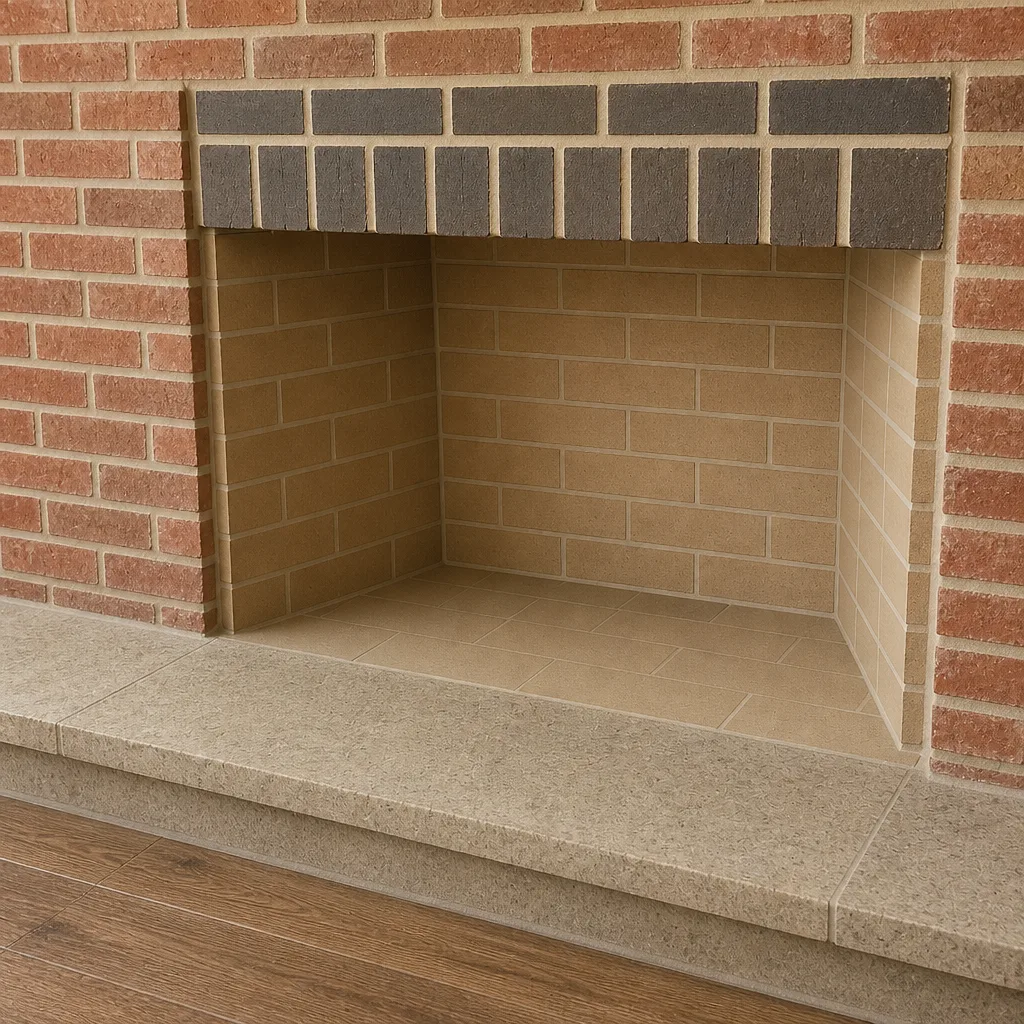
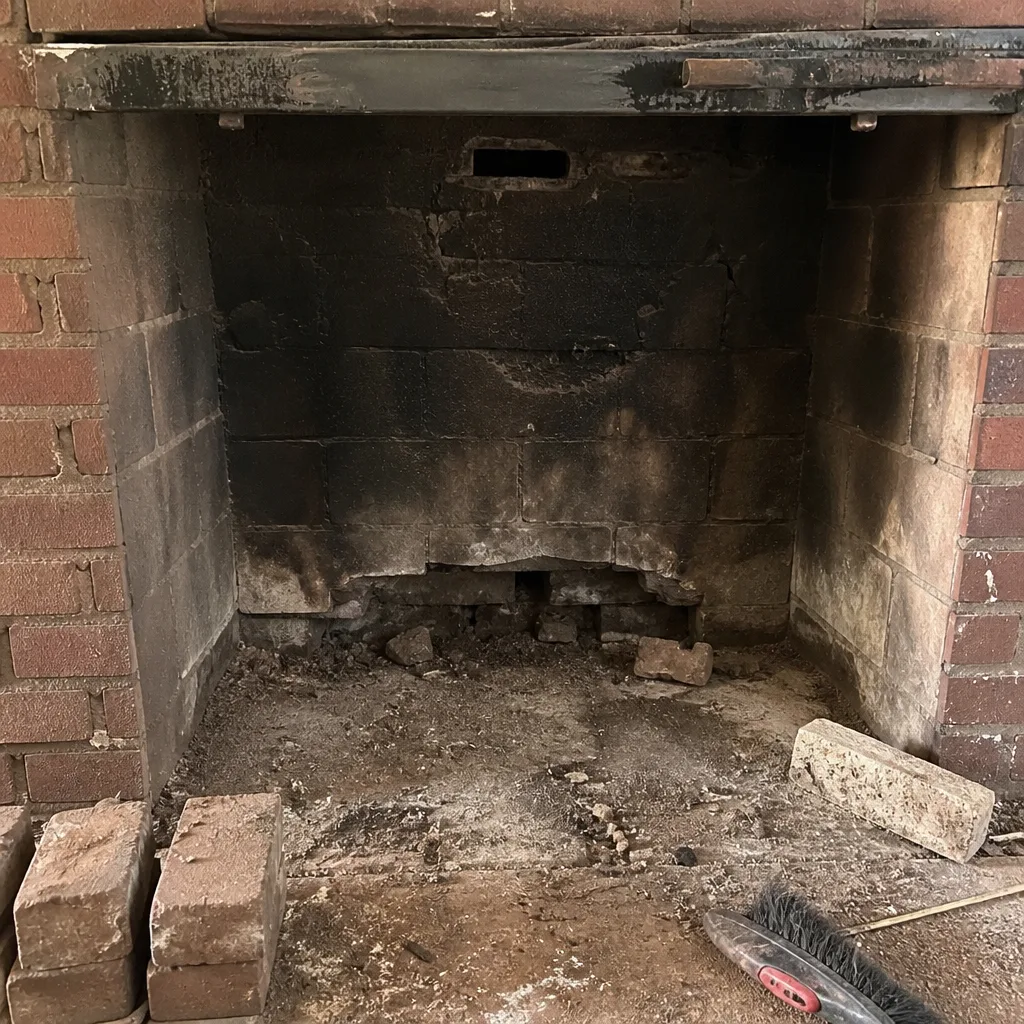
See the difference
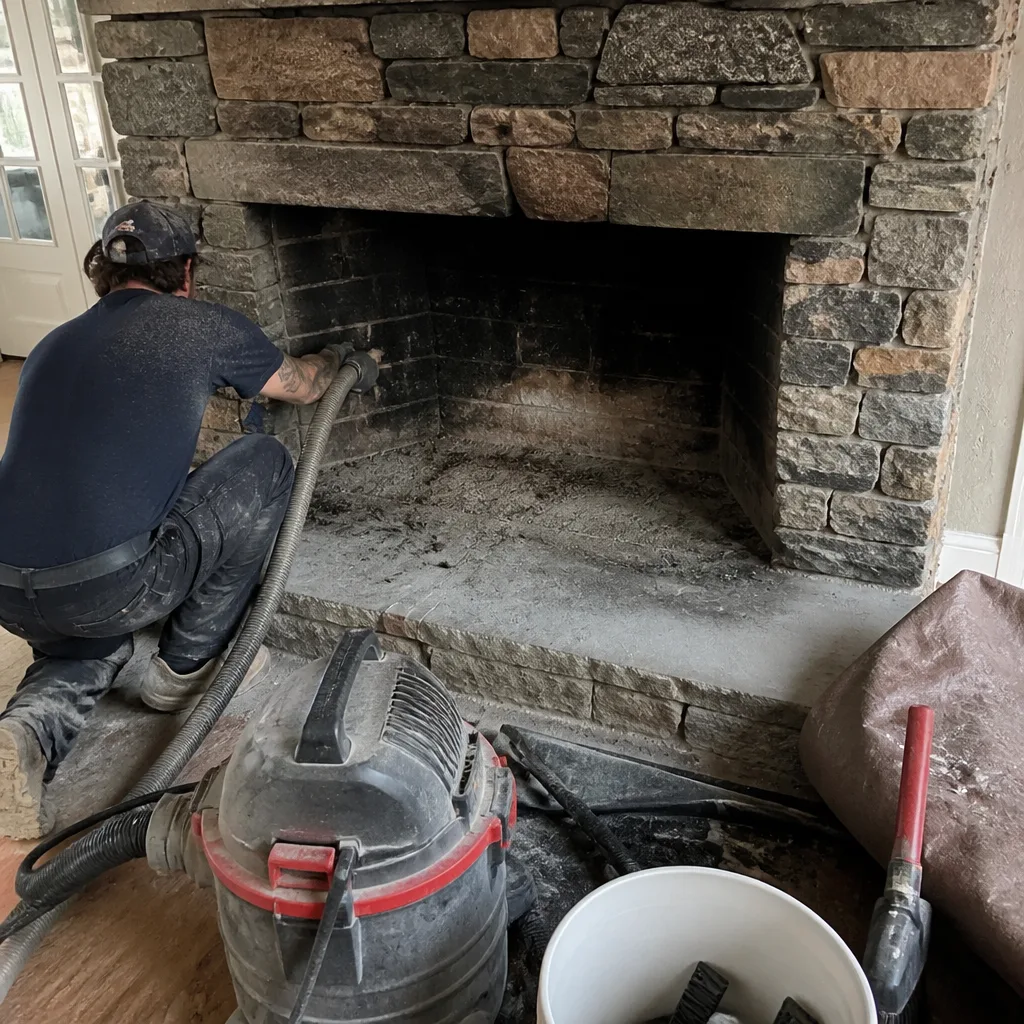 Before
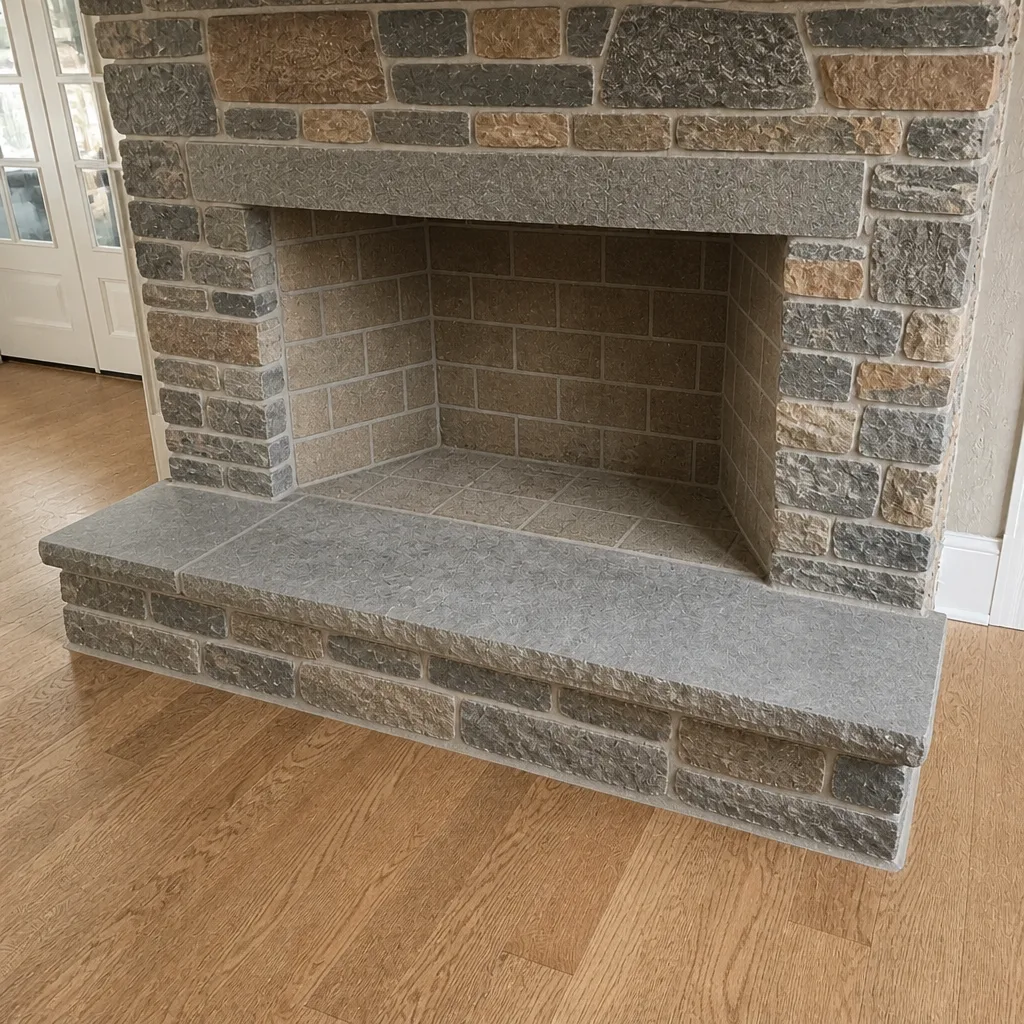 After
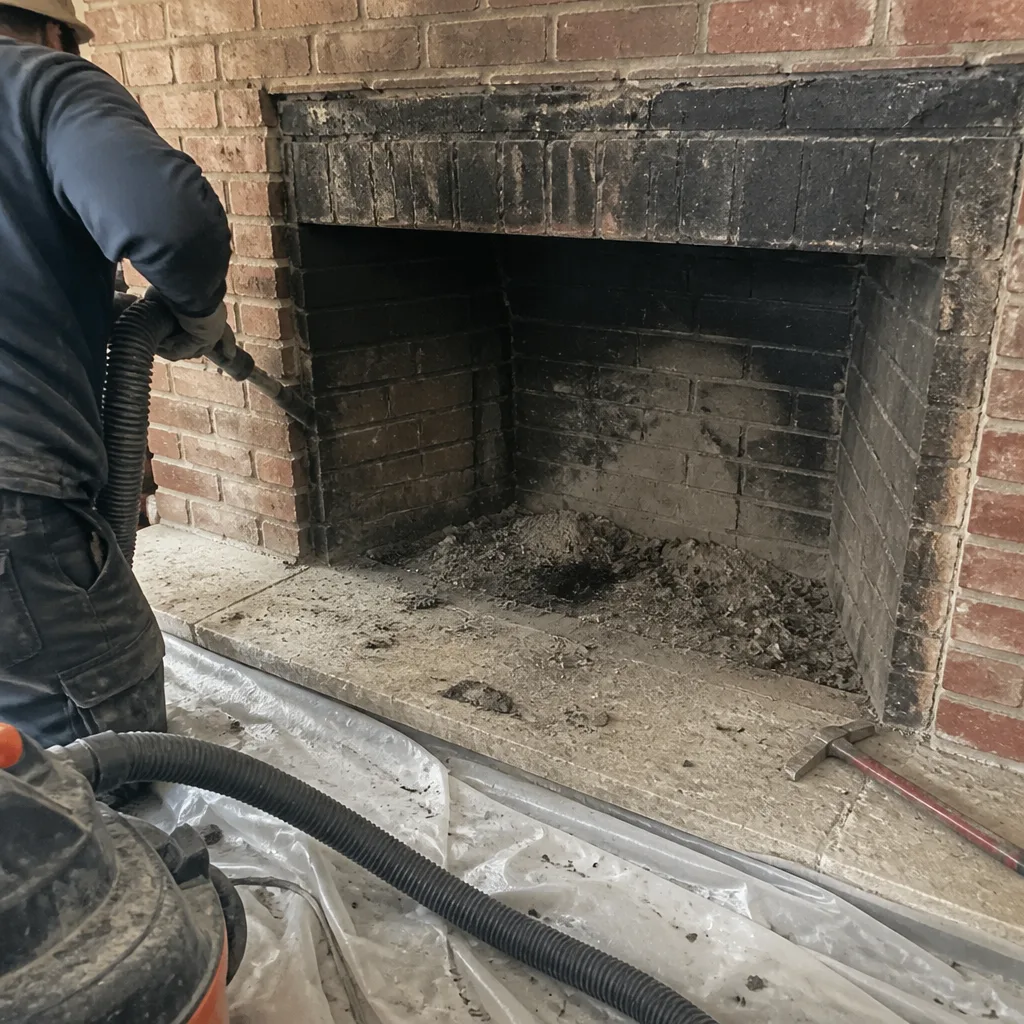 Before
 After
 Before
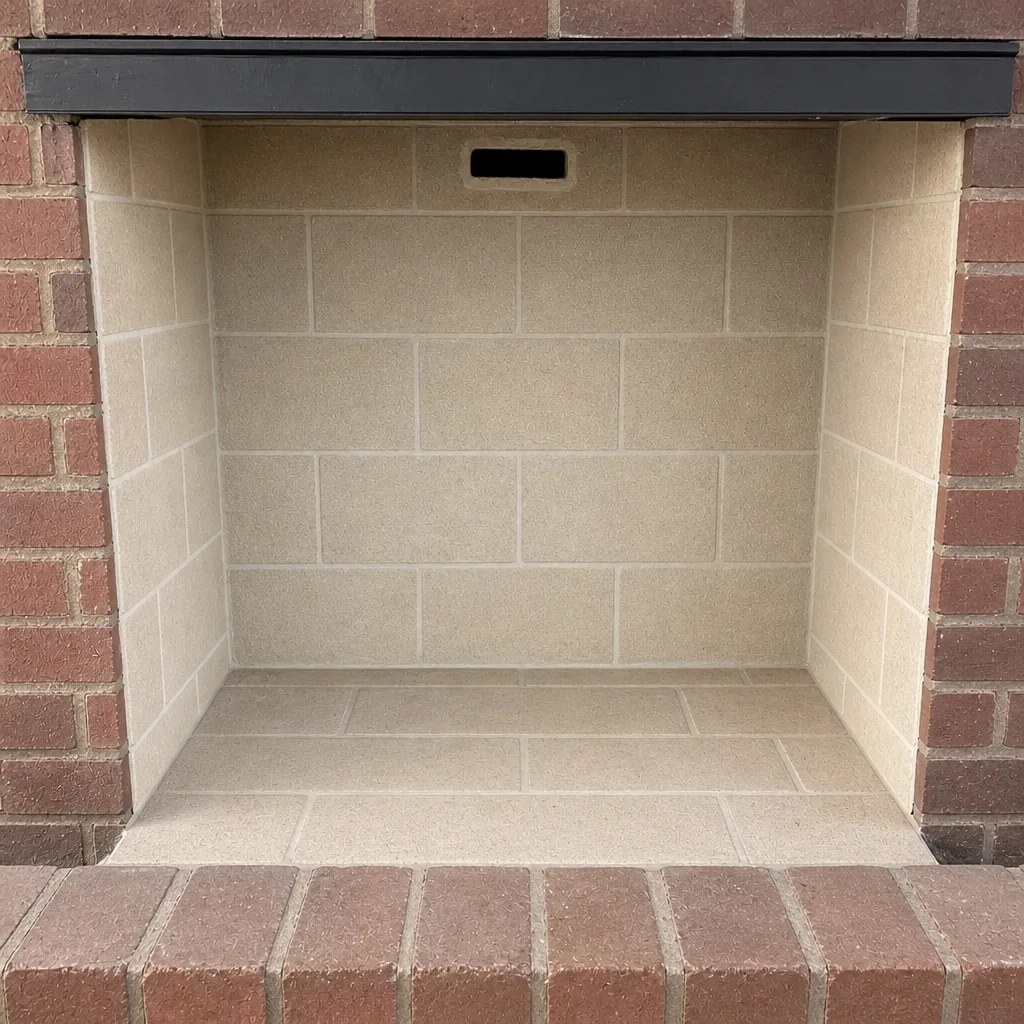 After
When to Call a Professional
Some situations genuinely warrant a call rather than a checklist. Any visible glaze (shiny, black, tar-like) on the smoke shelf or in the firebox; any change in draft from normal; a smoke smell that wasn’t there last season; visible cracks in the crown, cap, or brick; water staining inside the firebox; any new or unusual sound from the flue during a fire. If you can’t remember when the chimney was last inspected, that’s a call. If you see anything you can’t identify, that’s a call, not a guess. Chimney Sweep NoDa offers free estimates in NoDa and across the surrounding area – call (844) 625-7169 for an inspection or to schedule a same-day evaluation. Our technicians have up to 13 years of experience with the tools and materials this work requires.
Frequently Asked Questions
You can safely handle firebox vacuuming, accessible smoke shelf brushing, and exterior visual walkthroughs. You can’t safely handle flue interior inspection, creosote stage assessment, liner condition evaluation, or smoke chamber inspection because those tasks require a rod-mounted inspection camera and the training to interpret what the camera shows. For most NoDa homeowners, the right answer is annual professional inspection plus the DIY surface tasks in between. Call (844) 625-7169 for a free estimate on the professional side.
You can’t tell from the outside, and that’s the whole reason the question exists. A clean-looking chimney can have failing creosote or a cracked liner, and a visibly dirty chimney can be entirely healthy. The way to know is a professional inspection with camera work; the cleaning decision follows from what the inspection finds. Call (844) 625-7169 to book one.
Stage one creosote, the soft, flaky, soot-colored coating that a normal brush kit removes, is within reach of a careful homeowner as a surface clean. Stage two requires tools and force beyond most consumer kits. Stage three, the glazed, tar-like coating, cannot be removed by a homeowner brush kit; it needs specialized tools and professional removal. If you see glaze, stop burning and call (844) 625-7169.
Yes, in the sense that a professional cleaning and inspection produces written documentation of maintenance that a DIY cleaning does not. If a chimney fire or related loss occurs, the documented record answers the insurer’s question about professional maintenance. We can’t speak for your specific policy, but a written report keeps the paperwork straightforward. Call (844) 625-7169 to schedule a documented inspection.
The difference isn’t that the tools are unavailable to consumers; most of the equipment can be purchased. The difference is the combination: rod systems sized to the flue, a rod-mounted inspection camera, brush heads matched to flue diameter, and the training to read what the camera shows and choose the next tool. Our team works with professional-grade brands including DuraFlex, HeatShield, Gelco, Olympia Chimney, Famco, and Copperfield, and can follow the inspection findings directly into repair work if it’s needed. Call (844) 625-7169 to talk through what an inspection at your home would look like.
Once a year for most actively used fireplaces, and more often if you burn frequently or burn unseasoned wood. An annual inspection before the burning season is the schedule that catches problems before they compound. Call (844) 625-7169 to schedule yours and we’ll recommend an interval that fits how you use the fireplace.
The Bottom Line
The DIY vs professional decision is not about cost savings or convenience. It’s about which tasks are diagnostic and which are surface work. Cleaning removes what you can see; inspecting reveals what you cannot. NoDa homeowners who understand that distinction do two things: they book a professional inspection and documented sweep once a year, and they run a simple visual checklist between visits to catch change early. A hybrid schedule is what actually keeps a chimney safe through the burning season, and it keeps the documentation that matters if anything goes wrong. Call (844) 625-7169 for a free estimate. We answer 24/7. Fast dispatch from 7am to 7pm, Sunday through Friday, with same-day scheduling available when the calendar allows. We inspect it, we fix it: no referrals, no runaround.
Written by the team at Chimney Sweep NoDa.