
Last updated November 24, 2026
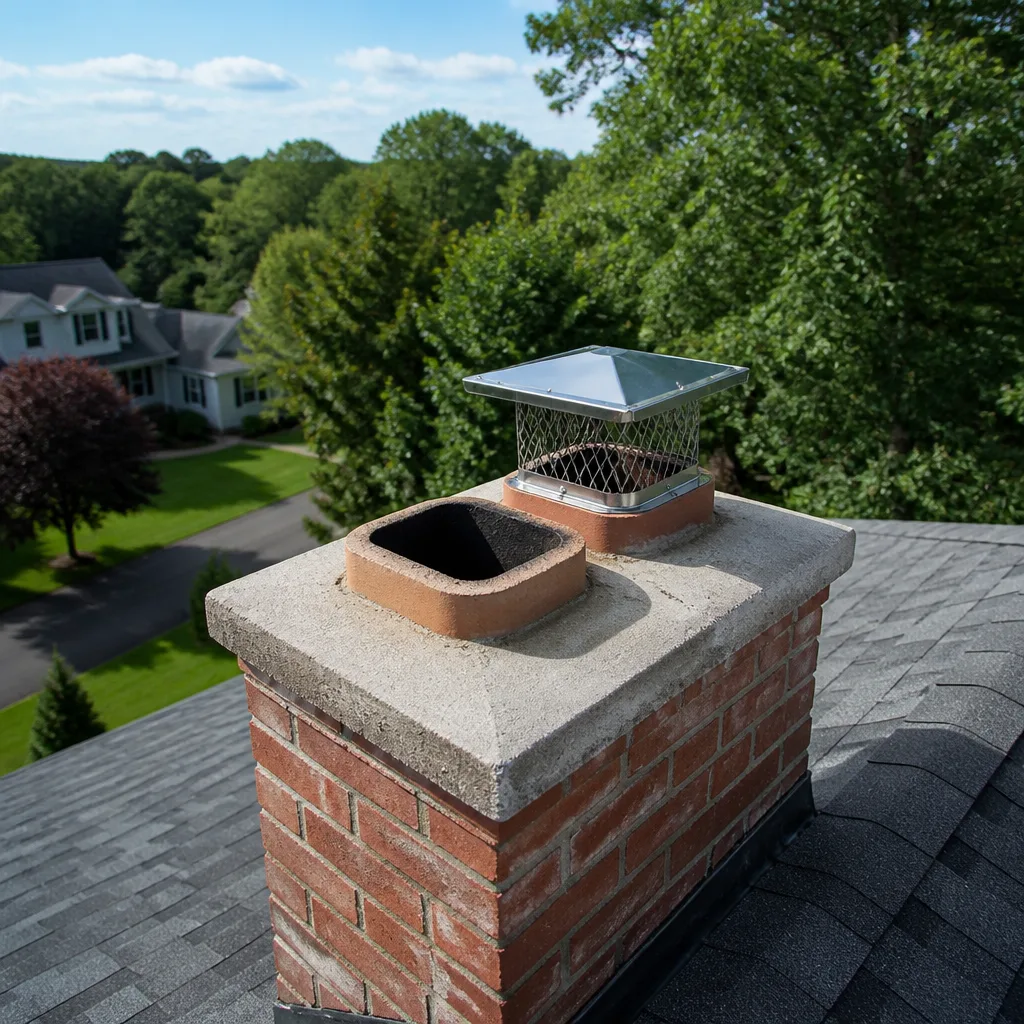 Sweep & inspection
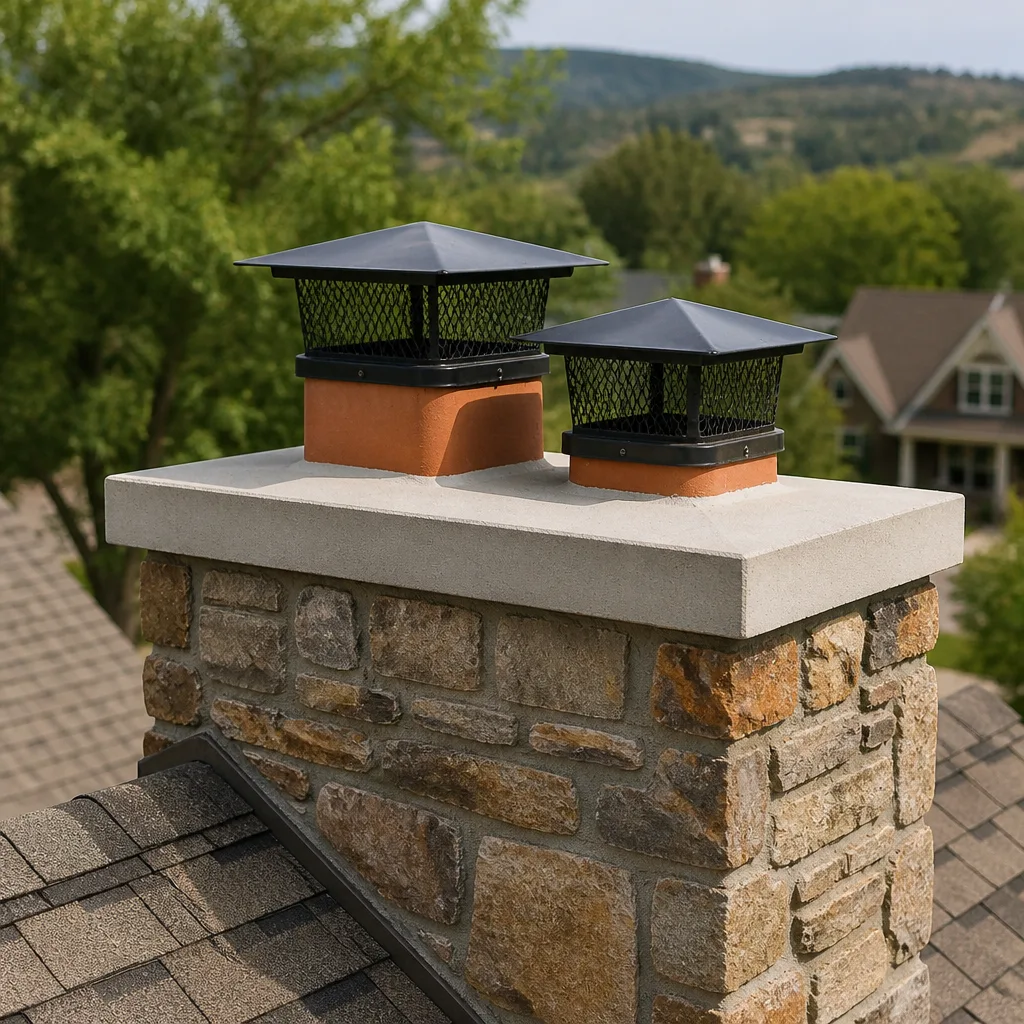 Caps & crowns
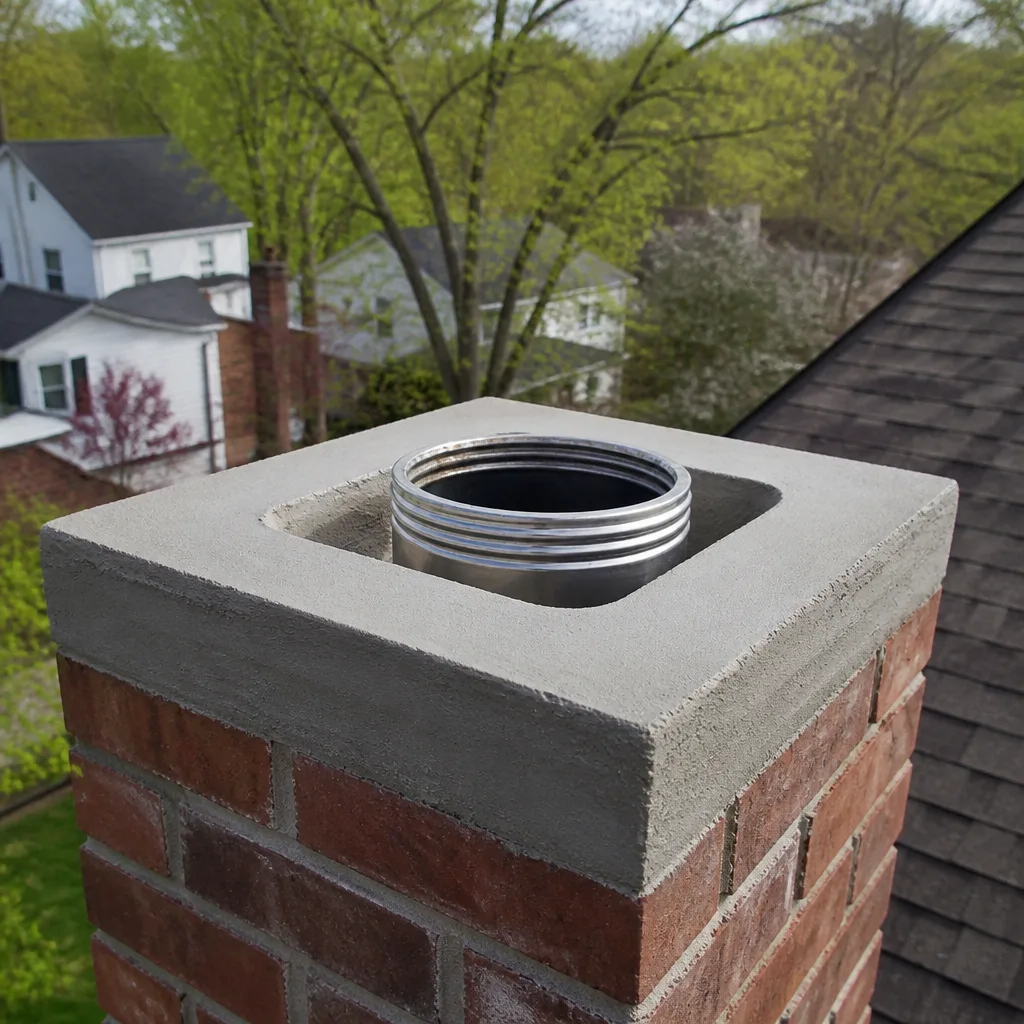 Flue relining
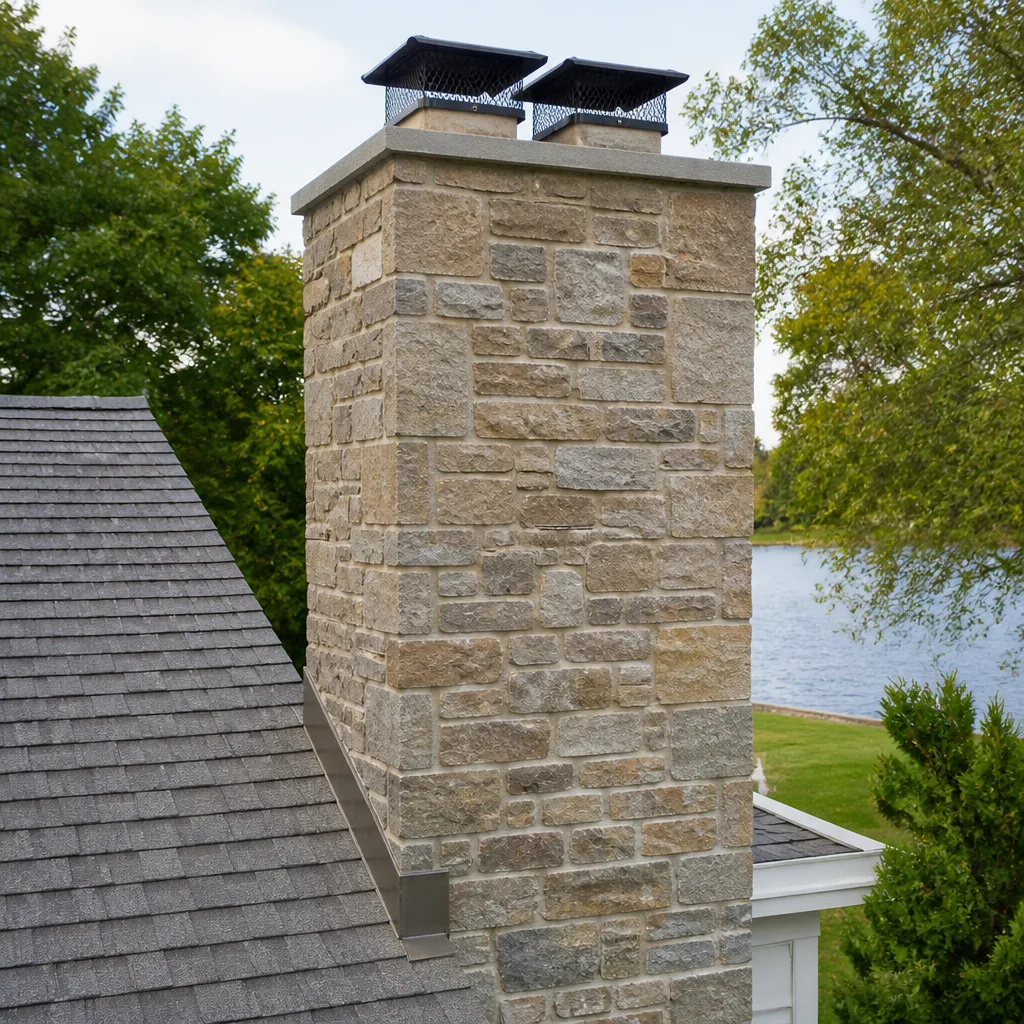 Masonry repair
 Gas fireplace service
Level 1 sweep and inspection to the NFPA 211 annual standard - flue, crown, cap, and flashing checked and photographed
Chimney sweep logs do not sweep chimneys. They loosen some creosote - which then falls where a brush and vacuum still have to collect it.
Chimney Cleaning Permits, Codes & Inspections in NoDa, NC: What You Need to Know
Most homeowners in NoDa believe a chimney sweep never touches a permit. That’s true for cleaning and false for almost everything else. The moment a job stops being a sweep and becomes a repair, repair of a flue, a crown, a firebox, or a cap attachment that alters the structure, North Carolina’s residential code steps in. The gap between the two is where insurance claims get denied and home sales stall. This guide maps that line for NoDa homeowners: what the NC Residential Code actually requires, how Mecklenburg County’s permitting works for chimney work, what NFPA 211 expects after a liner goes in, and the paperwork you should keep. It also covers how unpermitted work surfaces at closing in NoDa and how to fix it before a buyer’s inspector finds it.
Quick Answer
Routine chimney cleaning in NoDa does not require a permit. Structural chimney or fireplace work, including a flue liner installation, crown rebuild, firebox reconstruction, or anything that changes the chimney’s structure or flue, typically does require a building permit in Mecklenburg County. The work must comply with the NC Residential Code, and a liner installation needs to be documented to NFPA 211 standards so it can be verified by an inspector or a future buyer’s home inspector. Keep every inspection report, permit, certification, and photo from the job. The invoice alone isn’t documentation.
Styles & brands we work with
- Sweep & inspection
- Caps & crowns
- Flue relining
- Masonry repair
- Gas fireplace service
Table of Contents
- Where chimney cleaning ends and permitted repair begins
- What the NC Residential Code requires for chimney and fireplace work
- How Mecklenburg County permitting works for chimney work
- What NFPA 211 requires after a liner installation
- The documentation package to keep after any chimney job
- How unpermitted chimney work surfaces in a NoDa home sale
- What a proper chimney inspection includes in NoDa
- Common mistakes to avoid
Where Chimney Cleaning Ends and Permitted Repair Begins
Cleaning removes creosote, soot, and blockages from an existing flue that is already in service. Repair changes, adds to, or replaces a component of the chimney or fireplace system. The code cares about the second one.
In practice, the line sits in four places:
- Cleaning: brushing and vacuuming the flue, sweeping the firebox, checking the cap and damper. No permit. This is a service, and it belongs in your maintenance record.
- Liner installation: installing a new flue liner inside an existing chimney, whether rigid or flexible. This is a change to the flue system and generally triggers a permit and a code compliance check.
- Masonry and structural work: crown rebuild, chimney chase framing, firebox rebuild, flue tile replacement. Permit required. These alter the chimney’s structure.
- Component swaps: a cap replacement or damper swap is usually a straight service. If the new cap needs masonry anchors into the crown, treat it as masonry work and ask the county.
NoDa’s housing stock makes this line more relevant than it is in a newer suburb. The neighborhood’s century-old and mid-century homes were often built with single-wythe brick chimneys, and many have had fireplaces converted or sealed over the years. When a fireplace is reopened, the flue almost always needs evaluation before it can safely serve. That evaluation is an inspection, and if it results in a liner or a firebox rebuild, it becomes permitted work. The question to ask is always the same: is the flue being cleaned or changed? Cleaning is a sweep. Changing requires a permit.
We see this distinction tested most often in homes with gas fireplace inserts that were converted back to wood, or the reverse. The conversion itself can affect venting, clearance to combustibles, and the flue’s rated use, which turns a routine service into a code matter. We inspect it, we fix it, no referrals, no runaround. That means when the answer is “this needs a permit,” we tell you before the work starts, not after.
What the NC Residential Code Requires for Chimney and Fireplace Work
North Carolina’s Residential Code contains a chapter on chimneys and vents (Chapter 10, with Section R1001 addressing masonry chimneys and fireplaces). The provisions exist to make one thing certain: the flue carries smoke and combustion gases out of the house, and the structure around it doesn’t burn.
For a NoDa homeowner, the parts that matter most after a repair are these:
- Flue lining. Every masonry chimney serving a fireplace or appliance must have a flue liner. A damaged or missing liner is not compliant, and a liner installation has to restore compliance.
- Clearance to combustibles. The code specifies how far combustible materials must stay from the chimney. This is checkable during a permit inspection and not visually obvious to a homeowner, which is why a documented inspection matters.
- Chimney height. The 3-2-10 rule (a chimney must extend at least 3 feet above the roof where it penetrates it, and at least 2 feet above anything within 10 feet) applies to flue terminations. A crown or cap job that alters termination height should be checked.
- Fireplace openings and hearth extensions. Firebox rebuilds and hearth changes have dimensional requirements. Repair work that touches the firebox has to restore those dimensions, not approximate them.
One local consideration: NoDa’s original chimneys were often built to earlier editions of the code, and their condition has only degraded since. The current code applies to the repair, not to what came before. So a firebox rebuild or a crown replacement in a NoDa home is judged against today’s requirements, even when the surrounding masonry is original. That’s usually good news, because it forces the repair to be better than the original construction.
This is also where materials earn their keep. We source and install from a curated lineup of professional-grade chimney brands, including HeatShield, a ceramic flue resurfacing system that can restore a compromised liner without a full replacement when conditions allow, and DuraFlex flexible liner systems for relining damaged or undersized flues. Both are used because they hold up and they’re verifiable. Professional-grade materials, not whatever’s cheapest at the supply house. The code doesn’t name brands, but compliance lives in the details: the listed use, the installation method, and whether an inspector can confirm it.
For fireplace-specific repair beyond the flue itself, our fireplace repair service covers the firebox, damper, and surround as part of the same evaluation.
How Mecklenburg County Permitting Works for Chimney Work
Mecklenburg County issues building permits for residential work that changes a structure or a regulated system, and a repair-permit path exists for existing structures. Chimney and fireplace repairs fall into that category when they’re structural or flue-altering. A cleaning does not.
Here’s how we’ve seen the process play out for chimney work:
- Determine permit status. Before any structural work, confirm with Mecklenburg County’s permitting office whether the job is a repair permit or a straight service. A liner installation, crown rebuild, or firebox reconstruction usually requires one.
- Assemble a written scope. The permit application needs a description of the work: what’s being replaced, why, and what materials are going in. A vague scope slows the review or gets the permit returned.
- Pull the permit. The permit is tied to the address and the scope. It stays open until inspection is complete, which matters if you ever sell the house with an open permit on record.
- Complete the work to code. This is where the liner gets installed, the crown gets rebuilt, and the materials are documented as specified.
- Request final inspection. An inspector confirms the work matches the scope and the code. The inspection is what converts a job into a record.
- Keep the closed permit. The final inspection record is part of the documentation package, and in NoDa it’s one of the first things a buyer’s inspector asks for when a recently relined chase is obvious from the ground.
Two points trip people up locally. The first is timing: permit review isn’t instant, and if your inspection finds a liner that can’t wait, you’ll want to know that before a permit application lengthens the schedule. Booking a sweep and an inspection early in the fall, before the wood-burning season begins, gives you the runway to do it properly. The second is that permits record a scope, not a quality of work. A permit being pulled doesn’t mean the liner was installed well. That’s why the documentation package exists and why an independent inspection after the fact is worth having.
When a repair needs a new cap or a rebuilt crown, our chimney cap & crown work is part of the same scope, which means one permit and one inspection instead of coordinating a sweep, a mason, and a cap installer separately. From cap to firebox, one company handles it all.
What NFPA 211 Requires After a Liner Installation
NFPA 211 is the national standard for chimneys, fireplaces, vents, and solid fuel-burning appliances, and its purpose is to define how a chimney system should be constructed, inspected, and maintained. North Carolina’s residential code is built on that standard, which is why an inspector evaluating your liner will be thinking in NFPA 211 terms.
After a liner installation, the parts of the standard that come into play are:
- The system is evaluated as a whole. Not just the new liner, but the appliance connection, the firebox, the cap, and the clearances. A new liner in a chimney with a cracked crown is still a chimney with a cracked crown.
- Inspection levels are defined. A basic inspection covers readily accessible components. A more thorough inspection may require video scanning of the flue. The thorough version is what catches a hidden flue breach or a damaged tile joint that a camera would only reveal.
- Installation follows the manufacturer’s listing. A flexible stainless system from a maker like DuraFlex is installed per its listing and the standard, not by feel. That’s what “code-compliant installation” actually means.
- Documentation accompanies the install. The inspection record and the installation specification together form the proof that the system meets the standard.
This is where a standalone, structured inspection earns its place. Repair work and inspection findings handled by the same team prevent the miscommunication that happens when a sweep signs off, a mason rebuilds, and nobody connects the two. A best-practice inspection in NoDa involves more than a flashlight and a look up the flue: it involves a camera inspection with photos, and a written report you keep.
The system also needs periodic re-inspection. NFPA 211 recommends an inspection of the chimney system, and the frequency depends on how you burn. A household burning daily in winter accumulates creosote faster than occasional users. For the schedule side of this, see our chimney sweep service page; the inspection and the sweep are separate services here for a reason.
The Documentation Package to Keep After Any Chimney Job
The most common mistake we see in NoDa is a homeowner who paid for good work and can’t prove it a few years later. Build the file and keep it with your closing documents. It takes ten minutes and saves weeks.
What belongs in the package:
- The inspection report. A written condition assessment with the findings. If the report shows a camera inspection with photos, even better. This is your baseline and your defense if something surfaces later.
- The liner certification or installation record. The specification for the liner, including the brand and system used (for example a HeatShield resurfacing record or a DuraFlex liner installation), the date, and who performed the work.
- The permit, if one was required. The pulled permit and, more importantly, the final inspection record showing it closed. An open permit is a flag at closing.
- The photo record. Before, during, and after. Photos of the flue interior before and after, the new liner, the crown, and the cap. Photos are the evidence an inspector or buyer can see for themselves, and evidence is why nothing here should be recommended without it.
- The materials list. Which components were installed and from which professional-grade supply brand. This matters when a future technician needs to know what’s in the flue before recommending anything.
The documentation package is also how you stay safe from being told you need thousands of dollars of liner or masonry work you can’t verify. If a recommendation arrives without camera evidence you can look at, ask for it. Nothing we recommend comes without a photo report, and we’re clear about when work can safely wait.
How Unpermitted Chimney Work Surfaces in a NoDa Home Sale
NoDa’s real estate market rewards homes with documented improvements. The old bungalows, the conversions along North Davidson, and the newer infill between them all come with buyers who bring real inspectors. A recent reline or a rebuilt crown is a selling point when it’s documented. Without a permit and inspection record, it becomes a question mark.
Here’s how it typically surfaces:
- The buyer’s home inspector notes recent work. A new cap, a fresh crown, or a liner visible from the ground prompts a request for documentation.
- The buyer’s chimney specialist asks for the permit. A pre-purchase chimney inspection will often request the permit number and installation record. If there isn’t one, the buyer assumes the worst.
- A lender or insurer reviews the record. Recent unpermitted structural work can raise questions with an insurer, and some insurers ask about the type of heating systems in the home. Undocumented, unpermitted liner work is a harder story to tell than a clean permit record.
- The closing stalls. The fix is usually a retroactive inspection that confirms the work meets code. That takes time, and in a competitive NoDa sale, time is leverage for the buyer.
The resolution path is straightforward when the work is sound. Get a current inspection, obtain the permit or the documentation that establishes compliance, and keep the report with the sale file. The harder resolution is when the original installation doesn’t meet code, which is exactly why we tell clients to permit the work in the first place. Our own inspection service is a standalone service documented independently of any repair, so a buyer’s agent can see the condition assessment without an upsell attached. The Chimney Sweep NoDa team handles inspection findings and repair work under one roof, which means there’s no hand-off between the person who found the problem and the person who fixes it.
What a Proper Chimney Inspection Includes in NoDa
A chimney inspection in NoDa should give you a documented picture of the whole system: the firebox and damper, the flue interior, the crown, the cap, and the outer masonry. Not just a look up the flue before a sweep.
Here’s what a structured inspection covers:
- Firebox and damper. Checked for cracking, gaps, and proper operation. A damaged firebox is a code issue and a fire risk.
- Flue interior, by camera. Creosote levels, tile condition, joint integrity, and any prior liner. This is where hidden problems surface.
- Crown and cap. Cracks in the crown are common in NoDa given our freeze-thaw cycles in winter, and a failed cap lets water and wildlife into the flue.
- Outer masonry and clearances. Spalling brick, missing mortar, and any compromise to clearance from combustibles.
- A written report with photos. The deliverable. Conditions described, prioritized, and photographed, with a plain statement of what’s urgent, what can wait, and what isn’t a problem at all.
NoDa’s climate adds a specific check. Cold winters with repeated freeze-thaw cycles stress masonry and crowns more than a mild climate would, and a crown that looks intact in summer can be failing by the time you light the first fire of the season. Sweeping in the fall catches it before burning starts. Skipping it doesn’t just mean creosote builds up: carbon monoxide and chimney fire risk are real, and an inspection with photos is how you know where you stand rather than guess. Call (844) 625-7169 for a free estimate.
Common Mistakes to Avoid
- Assuming every chimney job is “just a sweep.” Cleaning needs no permit, but a liner or masonry repair generally does. Get the permit status in writing before the work begins.
- Keeping the invoice and nothing else. An invoice shows a payment, not compliance. Keep the inspection report, liner record, permit, and photos together.
- Letting someone recommend a full replacement without camera evidence. A new liner or a masonry rebuild is a big number. Ask to see the photo or video record first, and ask plainly whether the work can safely wait.
- Skipping inspection because the fire draws well. Creosote and flue damage don’t announce themselves. A clean-burning fire proves nothing about the flue’s condition.
- Selling a NoDa home with an open permit. An unclosed permit on record holds up closings. Close it before listing, or you’ll spend weeks resolving it under pressure.
- Hiring a sweep-only operation for structural work. Lining a flue, rebuilding a firebox, or restoring a crown is a different level of intervention. Most general sweeps refer it out; the accountability disappears with the referral.
- Burning before the fall inspection. Booking a sweep and inspection ahead of the first fire gives you time to do any permitted work properly instead of fixing it in January.
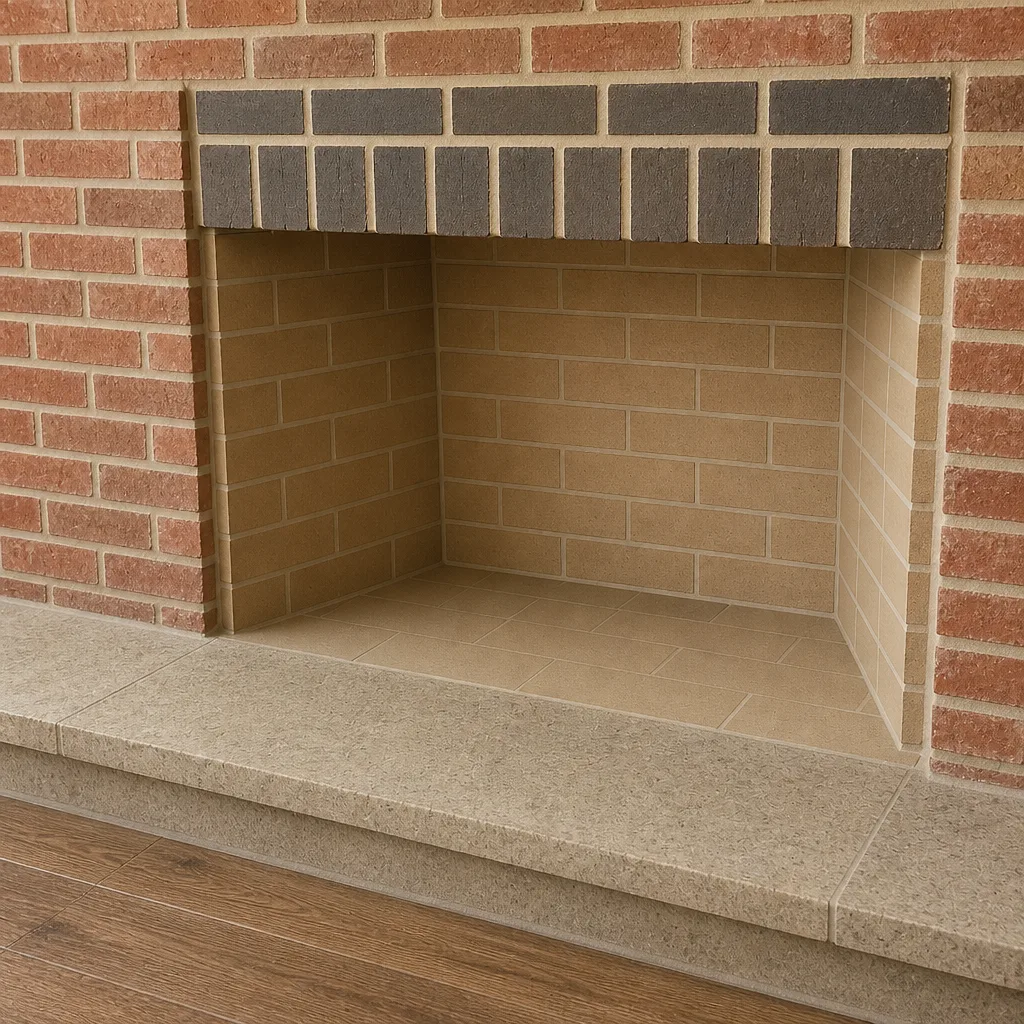
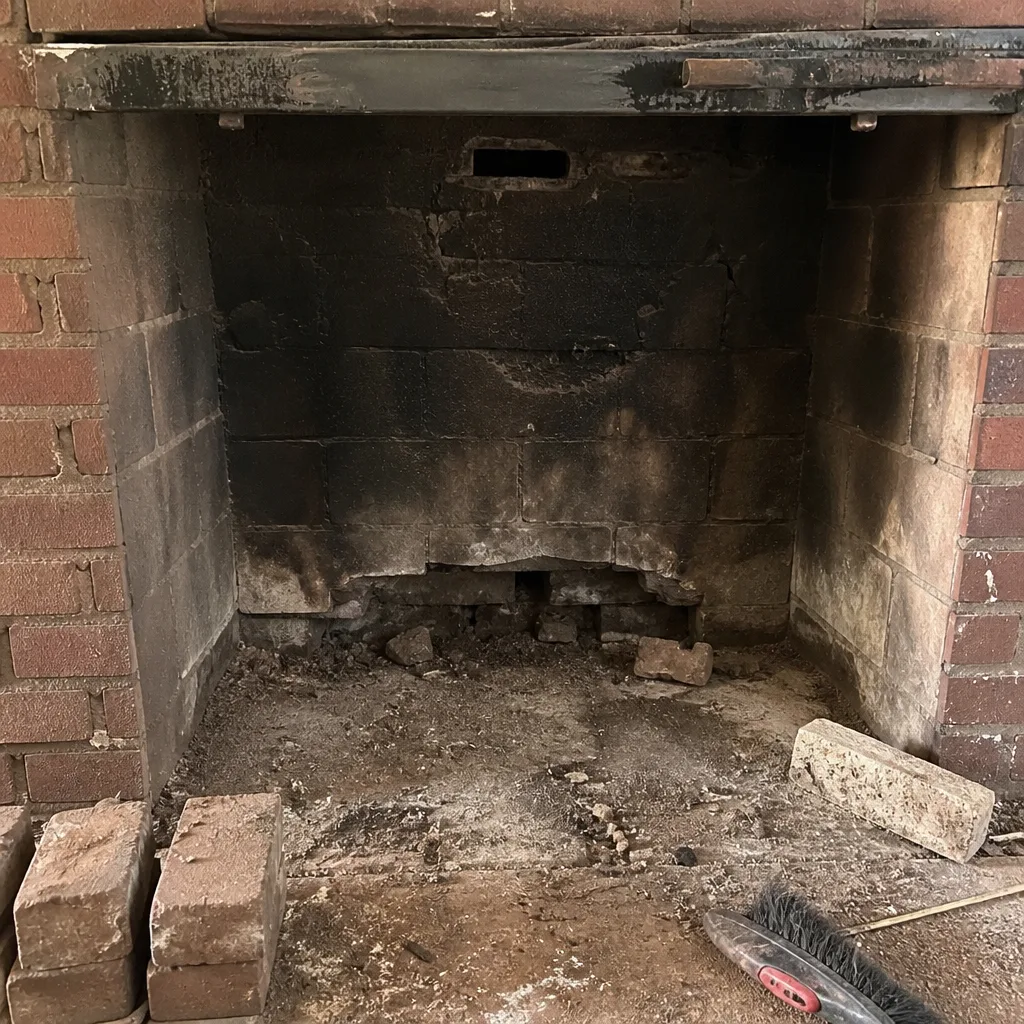
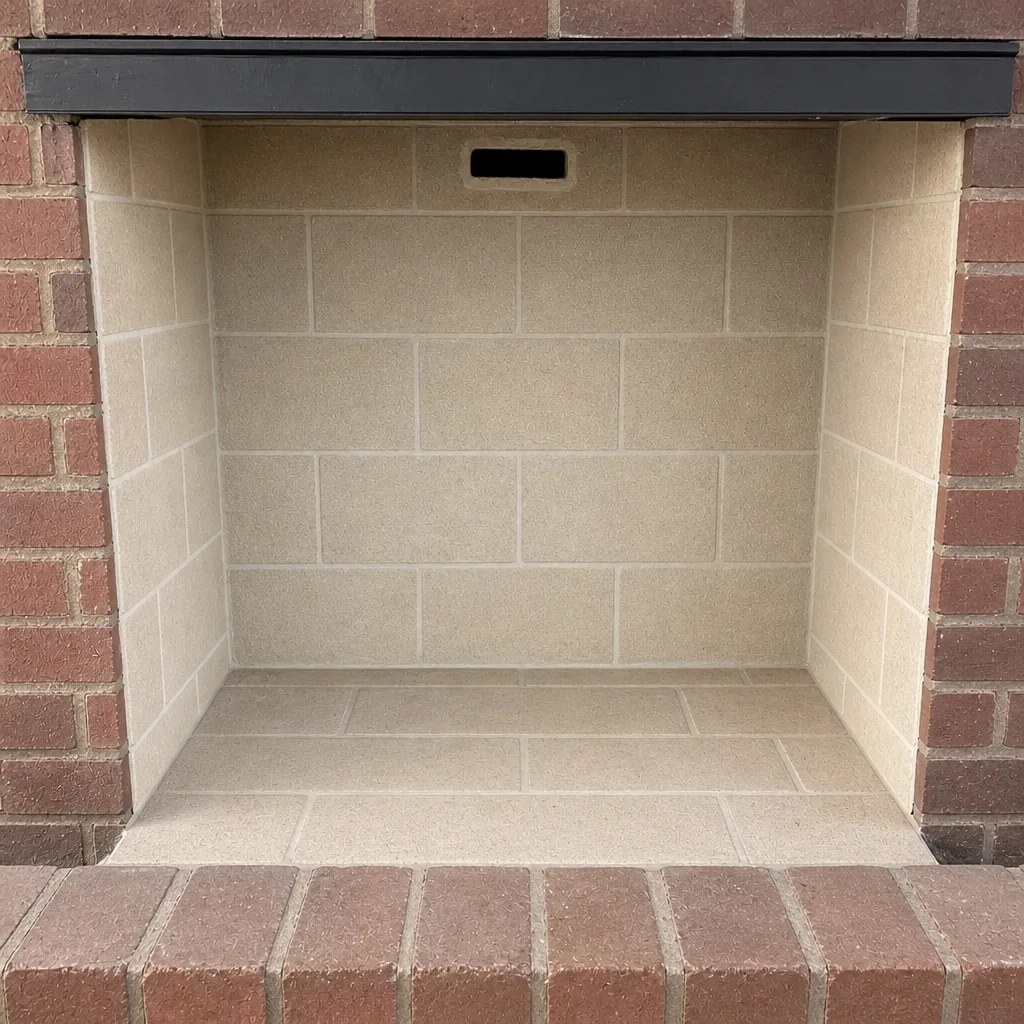
See the difference
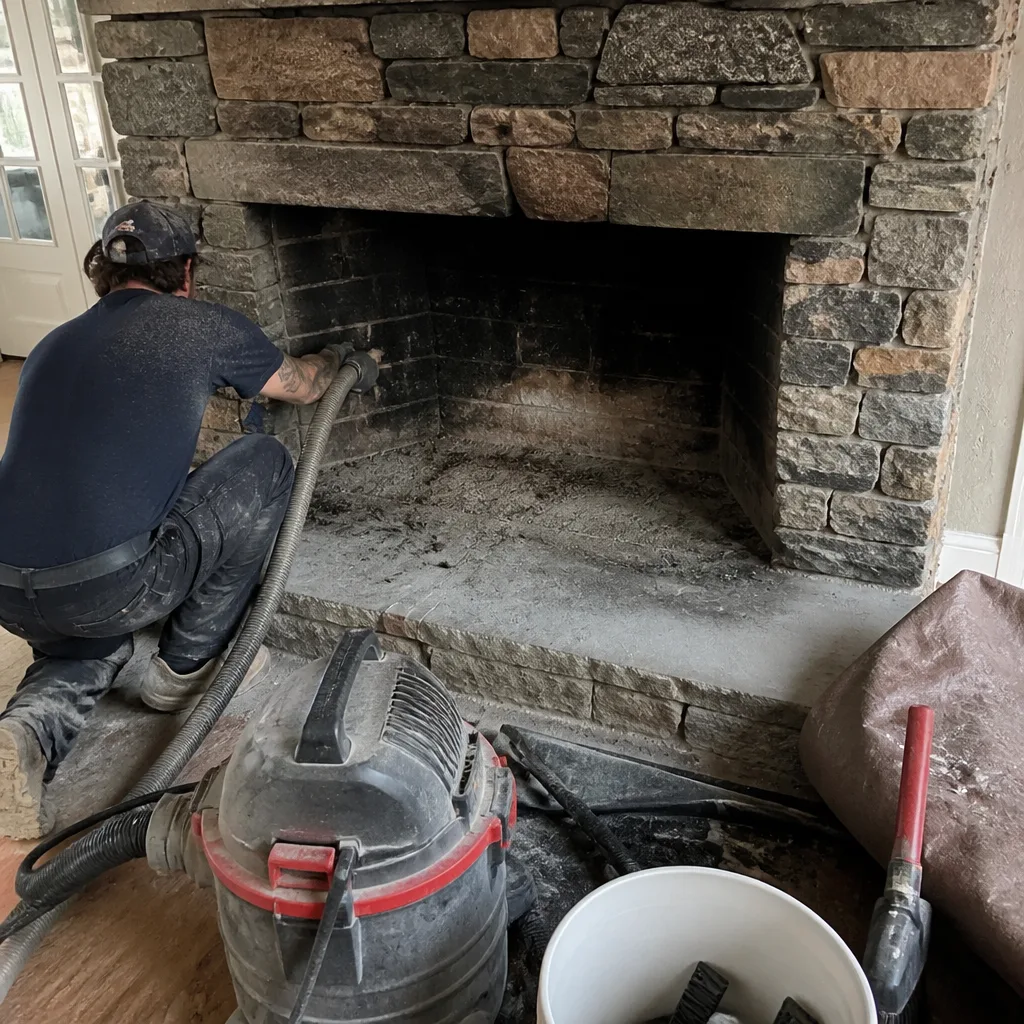 Before
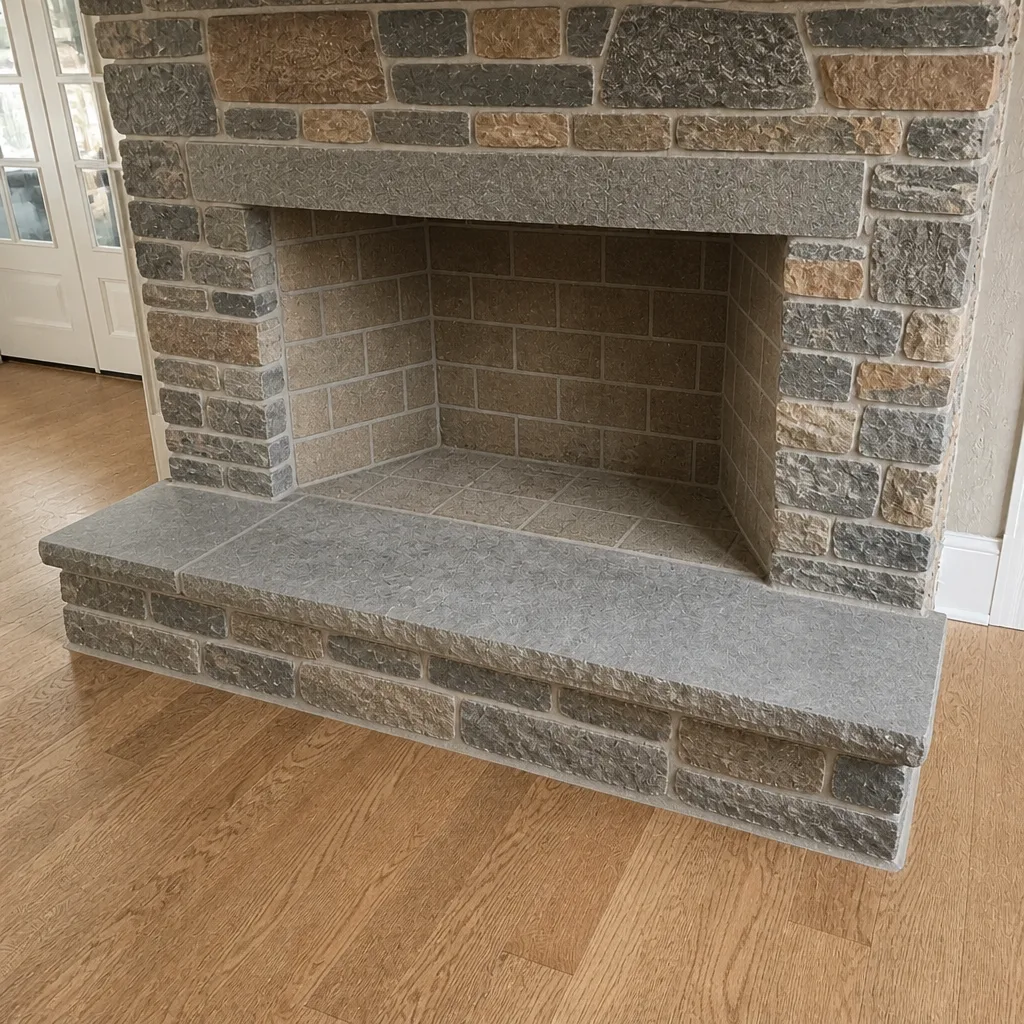 After
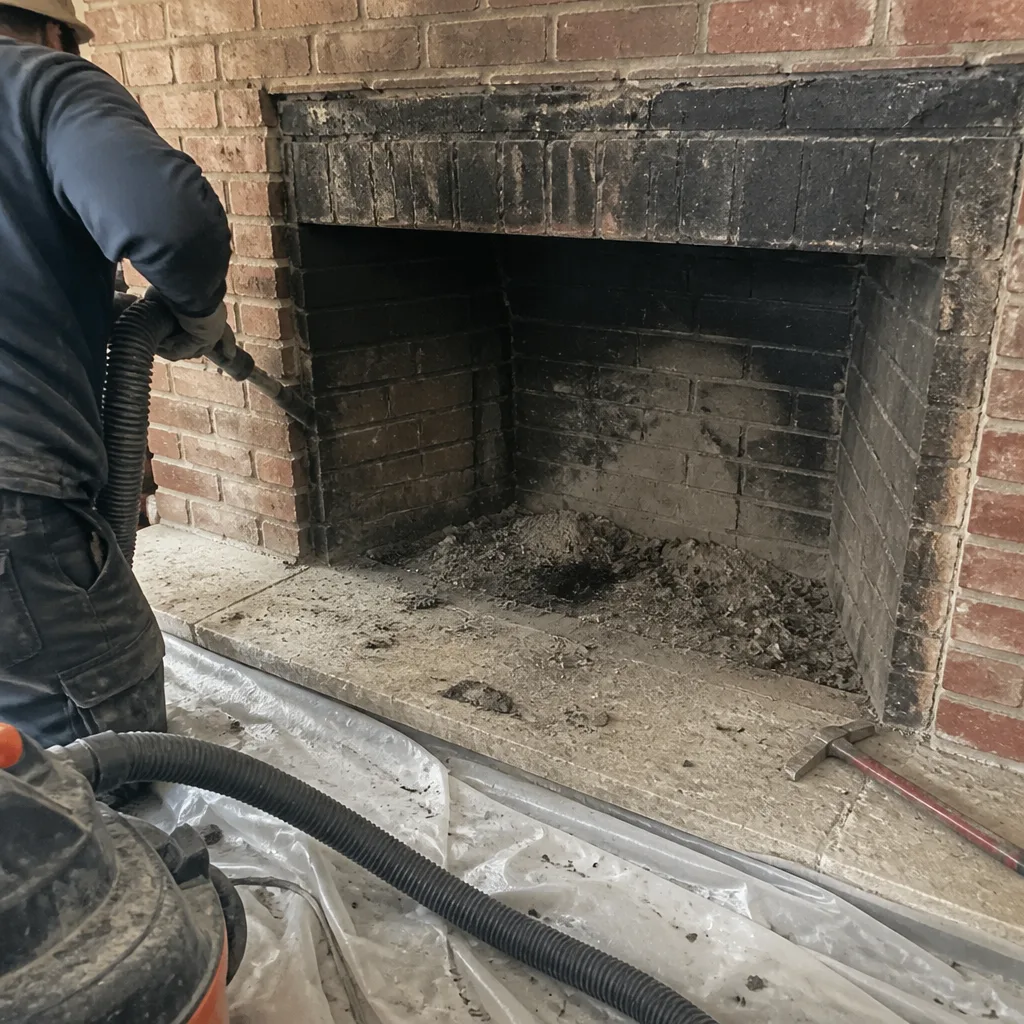 Before
 After
 Before
 After
When to Call a Professional
Call for a chimney inspection in NoDa if you’ve moved into a home with an active fireplace and no recent documentation, if you’re preparing to sell and need the permit record, or if you’ve noticed a draft that’s gotten worse, a cracked crown, or water in the firebox. Call before you light a fire for the season if you haven’t had the flue checked, and call if a sweep has ever told you the flue “looks fine” without showing you a camera image. Structural repairs, liner installations, and anything that might need a permit belong with a professional who can handle the inspection and the repair as one job. Chimney Sweep NoDa offers free estimates in NoDa. Call (844) 625-7169. We answer 24/7. Fast dispatch from 7am to 7pm, Sunday through Friday.
Frequently Asked Questions
No. Routine chimney cleaning, which means brushing and vacuuming an existing flue in service, does not require a permit in NoDa. A structural repair or a flue liner installation generally does require a Mecklenburg County permit because it changes the flue system. Call (844) 625-7169 for an exact quote on an inspection, estimates are free.
A permit is typically triggered when the work changes the chimney’s structure or flue: a liner installation, a crown rebuild, a firebox reconstruction, or flue tile replacement. Cleaning, cap replacement, and damper service are generally straight service work. Confirm the status with Mecklenburg County’s permitting office before the work starts.
You should keep the documentation regardless. A liner installation record, the permit and final inspection, and the photo record prove the work meets code, and a NoDa home sale can stall without them. Undocumented, unpermitted work is the most common thing that holds up a closing.
NFPA 211 requires that the chimney system be evaluated as a whole, not just the new liner, with the installation following the manufacturer’s listing and a documented inspection of the result. That means the firebox, cap, crown, and clearances all get checked, and the findings are recorded. Ask for the report.
At least once a year if you burn regularly, and an inspection every year regardless of how often you burn. Homes burning daily in winter need a sweep based on creosote accumulation, not a fixed date. Fall is the right time to book, before the heating season begins.
Get a current inspection and camera report, then confirm whether the work meets code and whether a permit can be obtained or a compliance record created. Most sound installations can be documented retroactively. Call (844) 625-7169 and we’ll tell you plainly what the inspection shows, including when work can wait.
The Bottom Line
Cleaning is a sweep; repair that changes the flue or the chimney’s structure is permitted work under the NC Residential Code, and in Mecklenburg County that distinction matters. Liner installations, crown rebuilds, and firebox repairs generally require a permit and a final inspection. NFPA 211 defines what the completed system has to meet, and your documentation package, inspection report, liner record, permit, and photos, is what protects you at an insurance claim or a NoDa home sale. Materials count too: HeatShield resurfacing and DuraFlex liner systems hold up and are verifiable. From cap to firebox, one company handles it all, so findings and repairs don’t get lost between contractors. Call (844) 625-7169 for a free estimate. We answer 24/7. Fast dispatch from 7am to 7pm, Sunday through Friday.
Written by the team at Chimney Sweep NoDa.