
Last updated November 24, 2026
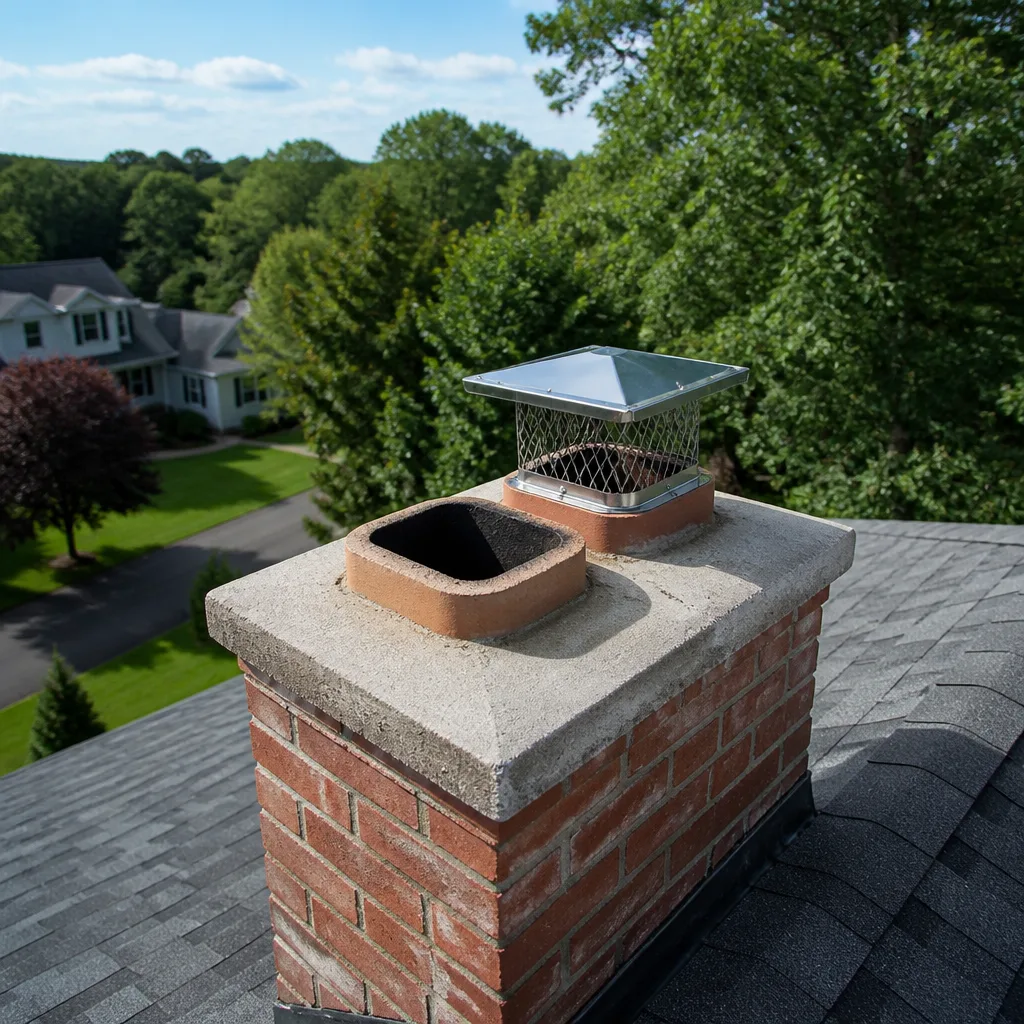 Sweep & inspection
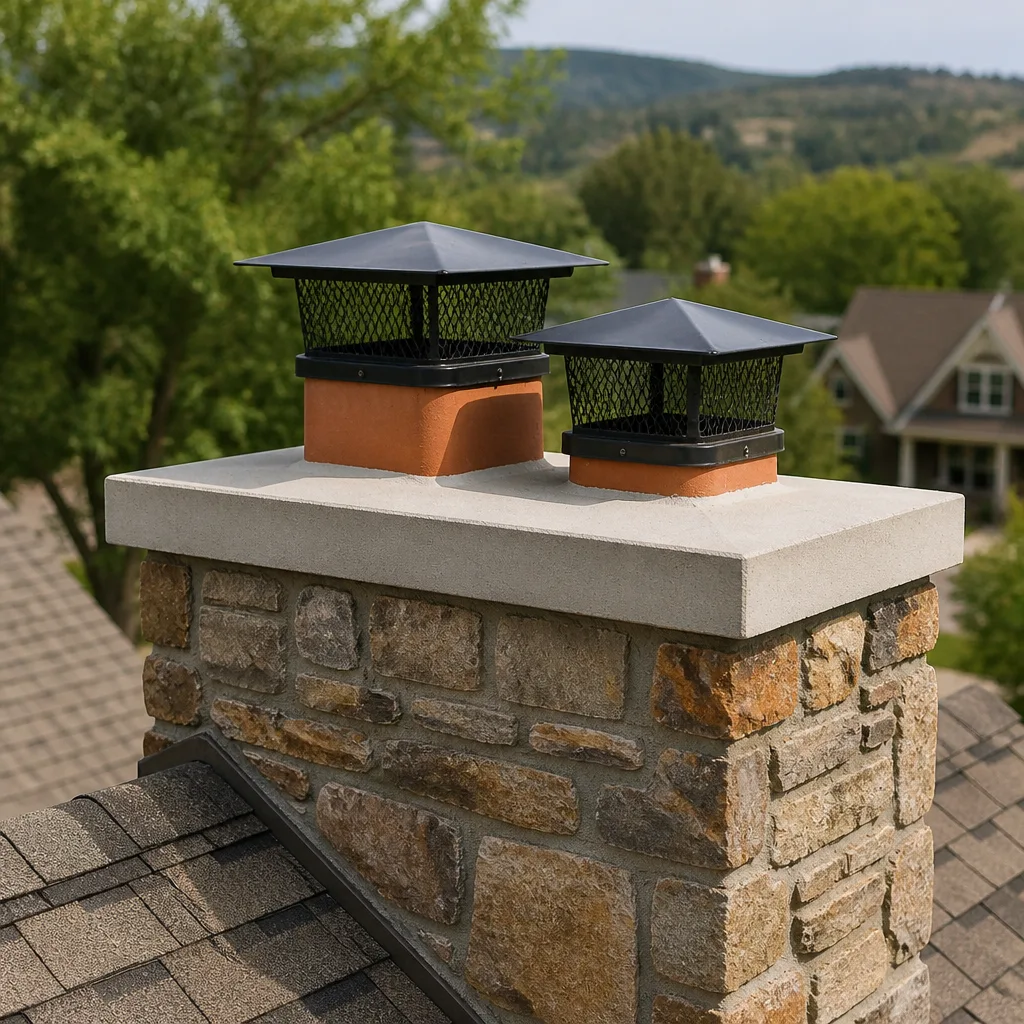 Caps & crowns
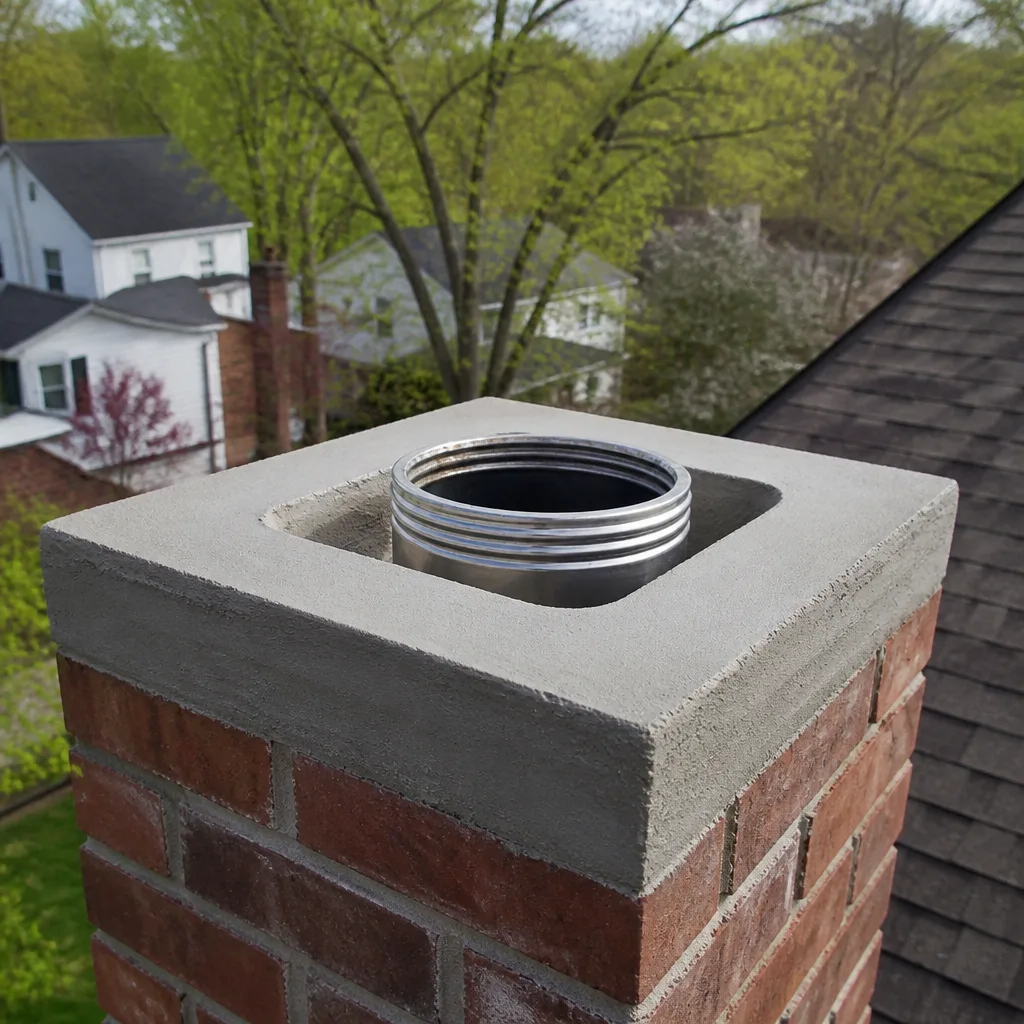 Flue relining
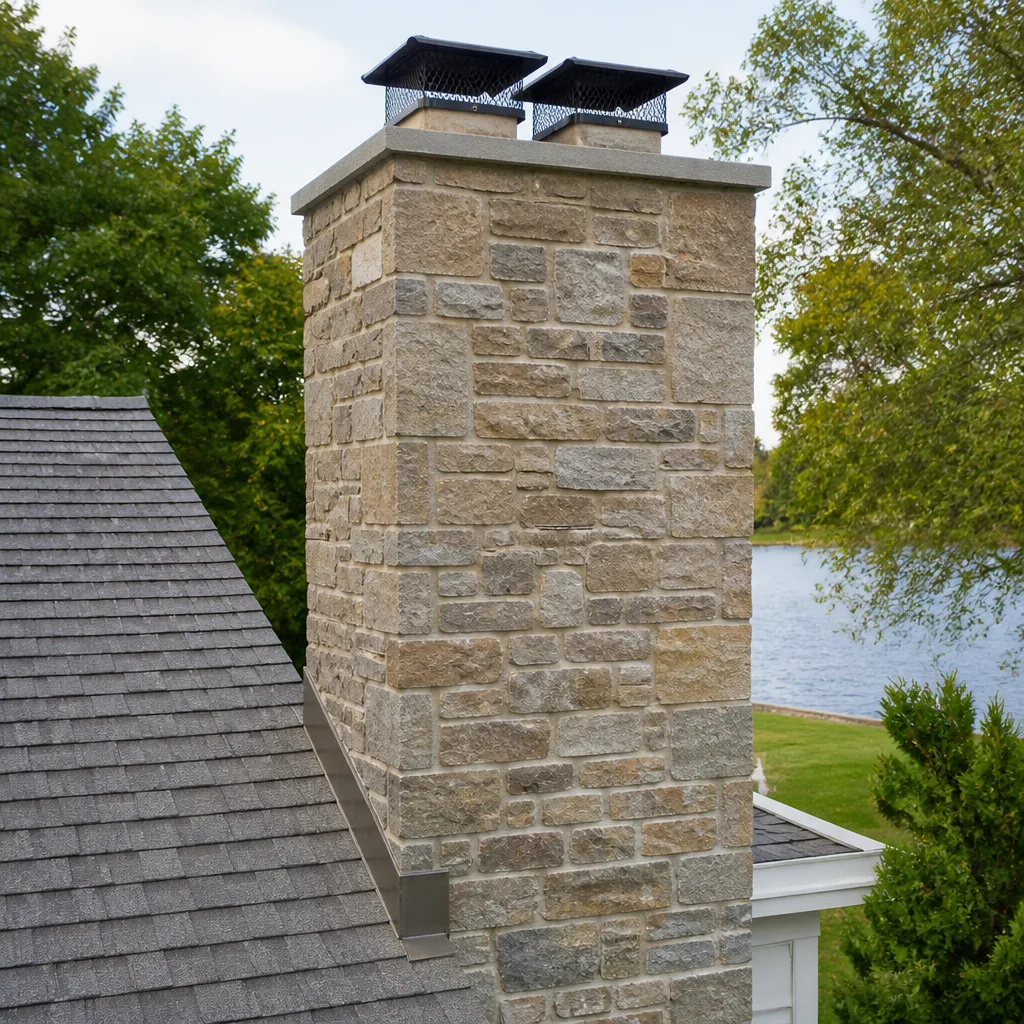 Masonry repair
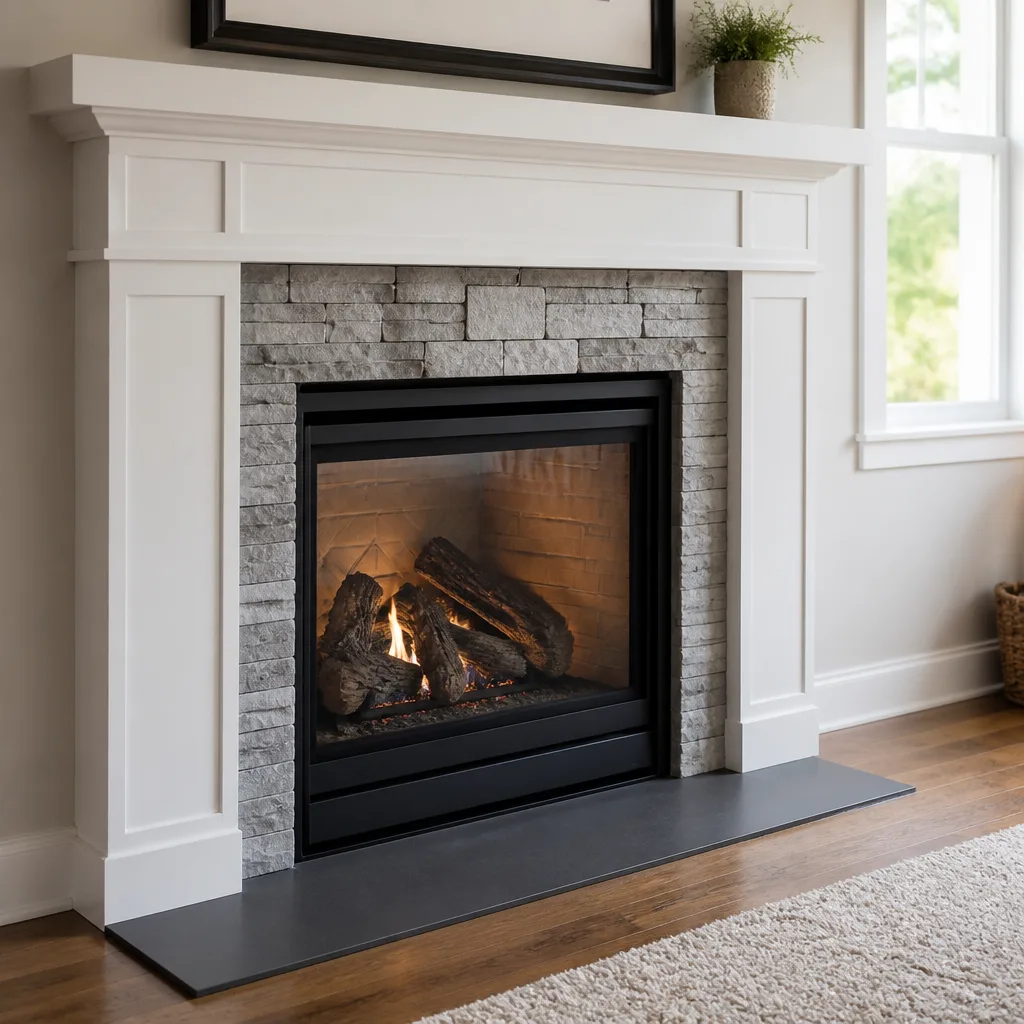 Gas fireplace service
Level 1 sweep and inspection to the NFPA 211 annual standard - flue, crown, cap, and flashing checked and photographed
Chimney sweep logs do not sweep chimneys. They loosen some creosote - which then falls where a brush and vacuum still have to collect it.
Seasonal Chimney Cleaning Care for NoDa: Year-Round Homeowner’s Guide
Most chimney advice assumes a cold, dry climate with one hard winter and a long idle summer. NoDa doesn’t work that way. Here, the damage usually happens in the warm months and shows up in the fall, which is why an October sweep so often turns into a conversation about a cracked crown or a rusted damper rather than a routine cleaning. The convention of scheduling your service in October was set somewhere else, for different weather. This guide builds a care calendar around the conditions that actually exist in NoDa: humid summers, damp and occasionally freezing winters, and a heavy spring pollen load. You’ll learn what to check each season, what the first fire tells you about the months nobody was watching, and which single task off-season prevents most of the problems we find.
Quick Answer
Chimney care in NoDa works best on a four-season rhythm rather than a single fall appointment: inspect and repair the cap and damper in March after the burning season ends, watch mortar and crown condition through the humid summer, cap any open flue once spring nesting finishes, get a sweep and inspection done before the first fire, and check for freeze-thaw damage after any hard cold snap. The first fire of the season is the best diagnostic tool you have, if you know what to listen and smell for.
Styles & brands we work with
- Sweep & inspection
- Caps & crowns
- Flue relining
- Masonry repair
- Gas fireplace service
Table of Contents
- Why NoDa’s Chimney Problems Start in Summer
- Spring: Nesting Season and the Cap Question
- Summer: Moisture, Mortar, and the Crown
- The First Fire as a Diagnostic Event
- Winter: Freeze-Thaw Cycles and Water Infiltration
- The March Inspection That Prevents Spring Complications
- Your 12-Month NoDa Chimney Calendar
- Common Mistakes to Avoid
Why NoDa’s Chimney Problems Start in Summer
The chimney damage you discover in October was usually set in motion in June and July. That’s the counterintuitive part of owning a fireplace in this part of North Carolina. The months when the chimney sits idle are the months when the weather works hardest on it. Charlotte’s climate zone runs hot and humid through the summer, and a masonry chimney is essentially a sponge. Brick and mortar absorb moisture from the air, from driving rain, and from the daily swing between saturated nights and drying afternoons.
Mortar is the softest part of the system. It’s designed to be slightly sacrificial, to weather first so the brick doesn’t. In a humid summer, mortar joints go through hundreds of wet-dry cycles. Each one pulls a little more lime out of the mix. By the time the first cold snap arrives, joints that looked fine in April can be crumbly and receding. That’s a slow process during the season and a fast problem once water starts getting behind the brick.
The crown, that sloped concrete cap on top of the chimney, takes the worst of it. It sits in full sun and full rain, expands and contracts daily, and develops hairline cracks that widen over a summer. A crown that sheds water properly in June may be channeling water into the flue by September. We see this pattern again and again in NoDa, where mature trees shade some roofs and leave others fully exposed, so two chimneys on the same block can be in very different condition.
Here’s the practical takeaway: if you only think about your chimney when you want a fire, you’re always seeing the end result of a problem that started months earlier. Looking at it in August, before the burning season begins, catches most of the damage while it’s still small and cheap to correct.
Spring: Nesting Season and the Cap Question
Spring is when birds and small mammals start looking for a sheltered, dry, elevated cavity to raise young, and an uncapped chimney is exactly that. In NoDa, the usual visitors are chimney swifts, starlings, and the occasional squirrel or raccoon. Chimney swifts are the one homeowners ask about most, because they’re protected and the rules around them are strict.
Chimney swifts are a protected migratory species under federal law, and North Carolina wildlife rules reinforce that protection. You cannot remove an active nest with eggs or young during the nesting season, and the timing matters. The practical guidance is to avoid disturbing an occupied nest and to plan removal and capping for after the birds have fledged, typically later in the season. If you’re unsure whether a nest is active, don’t guess and don’t start pulling things out of the flue. Call and let someone who knows the rules assess it. Getting this wrong is a legal problem, not just a messy one.
The permanent fix is a proper cap, but the timing is what most people get wrong. Installing a cap in the middle of nesting season can trap birds inside or block a nest that can’t legally be moved. The right sequence is:
- Confirm the flue is clear and no active nest is present.
- Wait until the nesting season has ended if birds are established.
- Have the flue cleaned of nesting material, which is highly combustible.
- Install a correctly sized cap with a spark-arresting screen.
That last point matters more than people realize. A bird nest in a flue is fuel sitting right where a fire’s exhaust passes. Even after the birds leave, the material stays. Capping after the season ends and cleaning out what they left behind closes the loop. Our chimney cap & crown service handles both, so the flue is clear and protected in one visit.
Summer: Moisture, Mortar, and the Crown
Summer is the season to actually look at your chimney, even though you’re not using it. The two things to check are the crown and the mortar joints, and both are visible from the ground with binoculars or from a safe vantage on the roof if you’re comfortable and careful up there. We don’t recommend climbing onto a roof to inspect your own chimney. A fall from roof height is a serious injury, and it’s the kind of work best left to someone with the right equipment and no reason to rush.
What you can do from the ground is note the condition of the crown and the top courses of brick. Look for:
- Cracks in the concrete crown, especially where it meets the flue.
- Crumbling or missing mortar between bricks near the top.
- White, chalky staining on the brick, which points to moisture moving through and leaving minerals behind.
- Rust streaks on the cap or damper hardware, a sign of water getting in.
- Any plant growth or staining that suggests the crown isn’t shedding water the way it should.
A cracked crown lets water straight into the chimney structure. That water doesn’t just sit there. It works its way down, freezes in winter, expands, and widens every crack it finds. It also raises the humidity inside the flue, which accelerates rust on metal components and softens mortar from the inside.
When a crown is past patching, we rebuild it with proper slope and materials rather than smearing sealant over cracks that will reopen. The crown is one of those parts where doing it right the first time is cheaper than the alternative. If the flue itself has been compromised by moisture, resurfacing with a HeatShield ceramic system can restore a sound liner without a full replacement when conditions allow. Professional-grade materials matter here, which is why we work with brands like Copperfield and Gelco for crown and masonry components rather than whatever’s cheapest at the supply house.
The First Fire as a Diagnostic Event
The first fire of the season is the best free diagnostic you’ll get all year, but only if you pay attention to three things: sound, smell, and smoke behavior. Treat that first burn as a test rather than a cozy evening, and you’ll often catch off-season deterioration before it becomes a repair bill.
Sound. A well-functioning chimney is quiet apart from the fire itself. Popping, crackling that’s louder than the wood warrants, or a low roaring that doesn’t match the size of the fire can point to creosote igniting, air being pulled through a crack, or a flue that’s partially blocked. Ticking or grinding metal can mean a damper or liner component has warped or come loose over the summer.
Smell. A faint smoky odor that lingers well after the fire is out is normal in small amounts. A strong, acrid, or chemical smell is not. It can mean creosote build-up is being heated, a blockage is forcing exhaust back into the room, or an animal nest is smoldering somewhere in the flue. Any persistent smell of exhaust inside the house means stop and get it looked at.
Smoke behavior. Smoke should rise steadily up the flue. If it rolls back into the room, spills from the top of the firebox, or struggles to draw at all, the draft is compromised. That could be a blockage, a damaged flue tile, a closed or broken damper, or negative pressure in the house. It’s also a carbon monoxide concern, not just a comfort one.
If any of these show up, stop using the fireplace until it’s inspected. The stakes are real: creosote is highly flammable, and a compromised flue can let carbon monoxide into living space. This is exactly why a proper inspection is its own service, not a checkbox before a sweep. A documented condition assessment tells you what the first fire was telling you in a language you can act on.
Winter: Freeze-Thaw Cycles and Water Infiltration
NoDa winters are mild, but “mild” doesn’t mean harmless. The occasional hard freeze is what does the damage, because of how freeze-thaw cycles work on a wet chimney. Water gets into a crack or a porous brick during a mild, rainy stretch. Then the temperature drops below freezing. Water expands as it turns to ice, and that expansion pries the crack wider. Then it thaws, more water gets in, and the cycle repeats.
A handful of freeze-thaw cycles over a winter can turn a hairline crown crack into a chunk of missing concrete. The same process works on mortar joints and on any saturated brick. This is why water infiltration is the single biggest driver of chimney deterioration in this climate, more so than the cold itself.
What a quick visual check after a cold snap catches early:
- New or widened cracks in the crown or the chimney’s exterior.
- Spalling brick, where the face of a brick has flaked or popped off.
- Crumbling mortar that wasn’t crumbling before the freeze.
- Ice or staining on the chimney chase that wasn’t there before.
If you see any of these after a freeze, get it inspected before the next one. Addressing water entry early, whether that’s a crown repair, a new cap, or repointing mortar, stops the cycle before it compounds. Water that gets past the crown and into the flue can also rust dampers and metal liners, and a rusted liner is a safety issue, not just an efficiency one.
The March Inspection That Prevents Spring Complications
If there’s one off-season task that prevents most of the spring cleaning complications we see, it’s a post-season damper and cap inspection in March. Once the burning season ends and before nesting season is in full swing, the chimney is in a stable state. The fire’s out, birds haven’t moved in yet, and any damage from the winter is visible. That’s the ideal window to look at it.
What a March inspection covers:
- Damper operation. Open and close it fully and check for warping, rust, or a seal that no longer seats. A damper that doesn’t close properly loses heat and lets humid summer air into the flue.
- Cap condition. Check the screen, the mounting, and the top plate for rust or damage from the winter. A loose cap is an open door for wildlife.
- Flue condition. Look for cracks, gaps, or signs of creosote build-up that should be cleaned before summer humidity sets in.
- Crown and mortar. Note any winter damage so it can be scheduled for repair before the summer heat and humidity make it worse.
- Water intrusion signs. Rust, staining, or damp patches that point to a leak needing attention.
Doing this in March gives you a to-do list for the year while the weather is still mild and the chimney is empty. It also means you’re not discovering a nesting problem and a crown crack at the same time in May, when the fix for one can conflict with the timing of the other.
This is where a system-level approach earns its keep. From cap to firebox, one company handles it all, so the person who finds the damper issue is the same one who can repair the crown and reline the flue if needed, without you coordinating a sweep, a mason, and a cap installer separately. When a flue needs relining, we install DuraFlex flexible liner systems, a structural-level fix that most sweep-only operations refer out. That single-source accountability means findings and repairs don’t get lost between contractors.
Your 12-Month NoDa Chimney Calendar
Here’s the year at a glance, built around the conditions that actually exist in NoDa rather than a generic national schedule.
- March. Post-season inspection: damper, cap, flue, crown. Note winter damage and schedule repairs.
- April. Complete any crown or mortar repairs before the humid season so new material cures properly.
- May. Watch for nesting activity. Don’t disturb active nests; plan capping for after the season.
- June through August. Check crown and mortar condition from the ground. Address water entry before it compounds.
- September. Once nesting season ends, clean out any nest material and install or repair the cap.
- October. Schedule a chimney sweep and inspection before the first fire. This is the appointment, not the whole plan.
- November through February. Use the fireplace and watch the first fire for sound, smell, and smoke behavior. Check for freeze-thaw damage after cold snaps.
You can see why the October appointment alone isn’t enough. By the time you sweep in October, the summer moisture damage and the spring nesting problems have already happened. The calendar spreads the work across the year so each season’s stressor gets handled before it becomes the next season’s repair. Our Chimney Sweep NoDa team works this calendar with homeowners across the neighborhood, and the pattern holds whether the house is a renovated bungalow off North Davidson or a newer build nearby.
Common Mistakes to Avoid
- Scheduling everything for October. A single fall sweep catches creosote but misses the moisture and nesting damage that built up in spring and summer. By fall, those problems are already months old.
- Capping before the nest is cleared. Installing a cap over an active or abandoned nest traps combustible material in the flue. Clear it first, then cap, and mind the nesting-season timing if swifts are involved.
- Sealing a crown crack with caulk. Sealant over a crack that’s moved will reopen within a season. A crown that’s failed needs proper rebuilding with correct slope and material, not a cosmetic patch.
- Ignoring a faint smoky smell. A persistent smell of exhaust or a strong acrid odor is a draft or blockage signal, and it’s a carbon monoxide concern. Don’t wait for the next fire to look into it.
- Skipping the post-freeze check. A hard cold snap after a wet stretch is when freeze-thaw damage happens. A quick look afterward catches new cracks while they’re small.
- Treating the sweep as the whole service. A sweep cleans the flue. It doesn’t assess the crown, cap, damper, or firebox. Only a structured inspection covers the full system.
- Assuming a damaged liner means full replacement. When conditions allow, a HeatShield ceramic resurfacing system can restore a compromised flue without a full reline. It’s worth asking whether resurfacing is an option before assuming the worst.
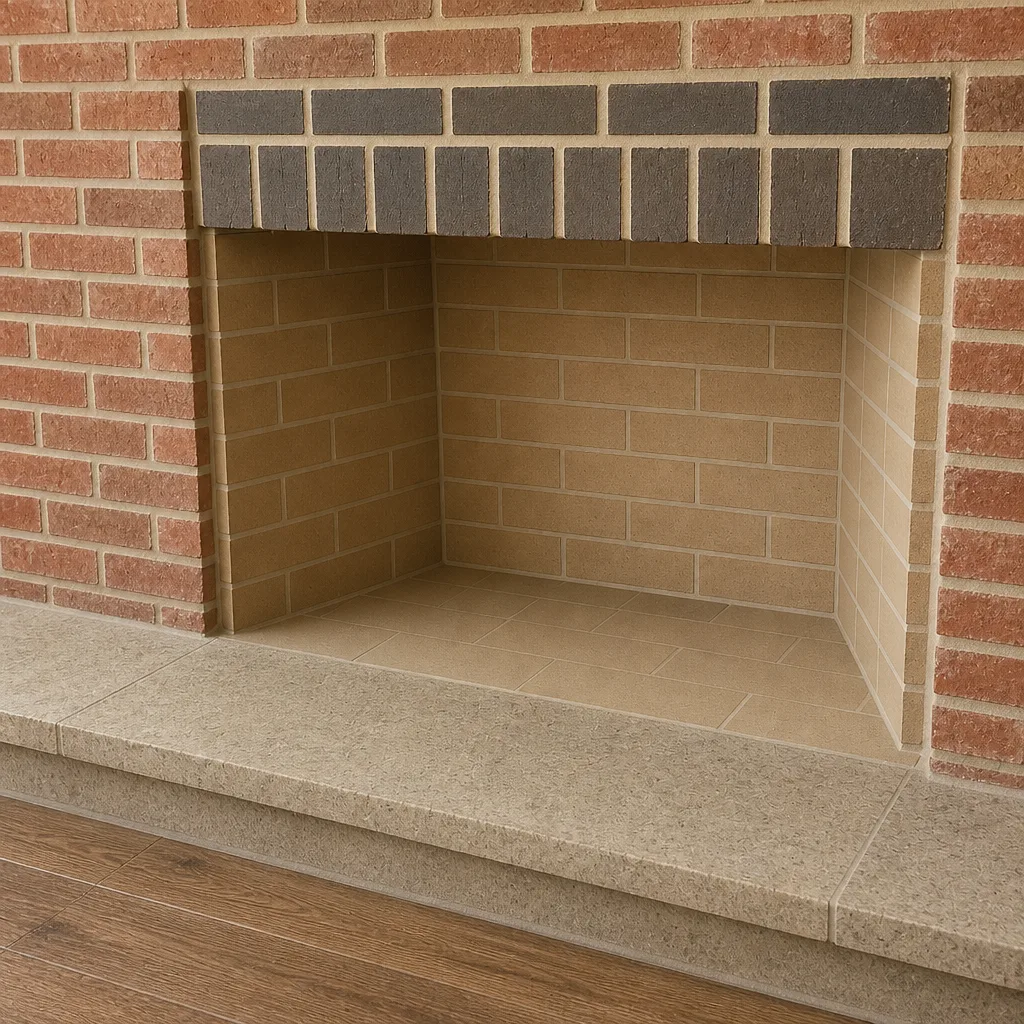
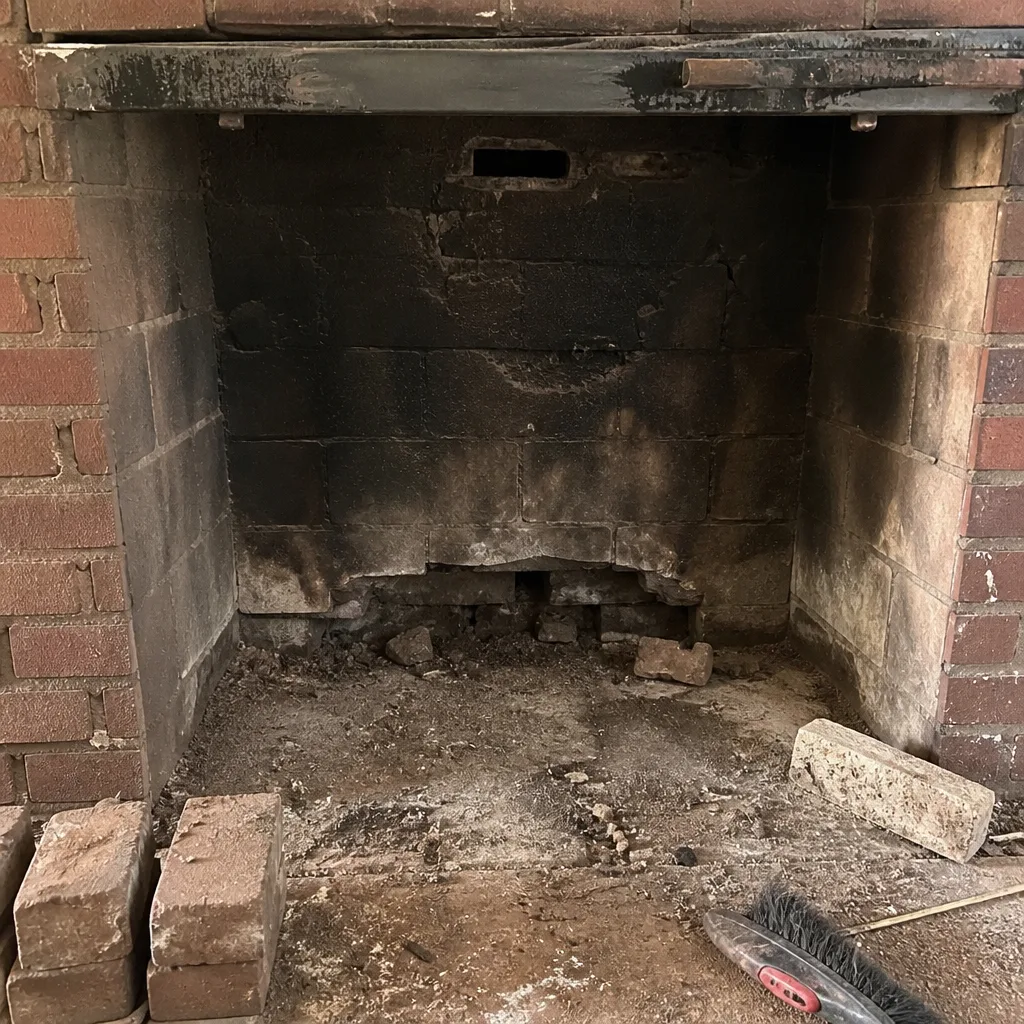
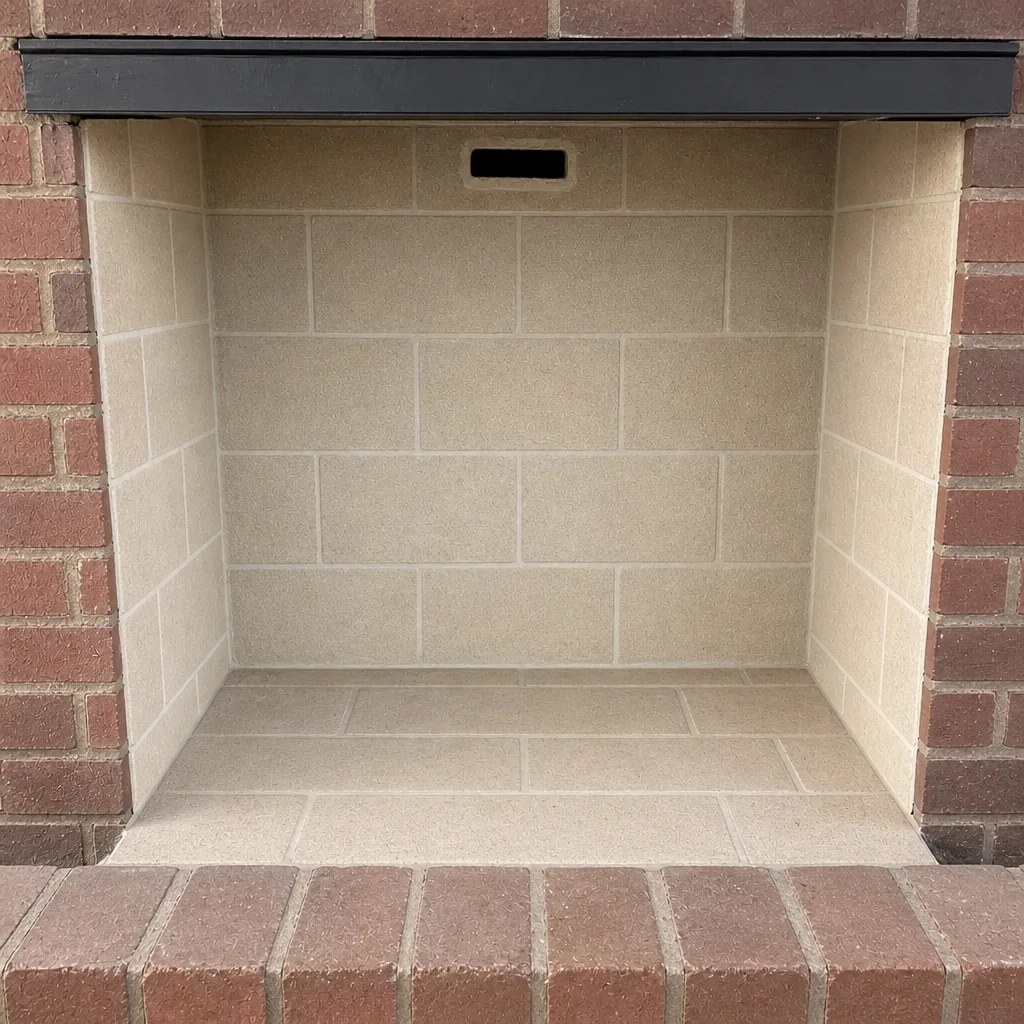
See the difference
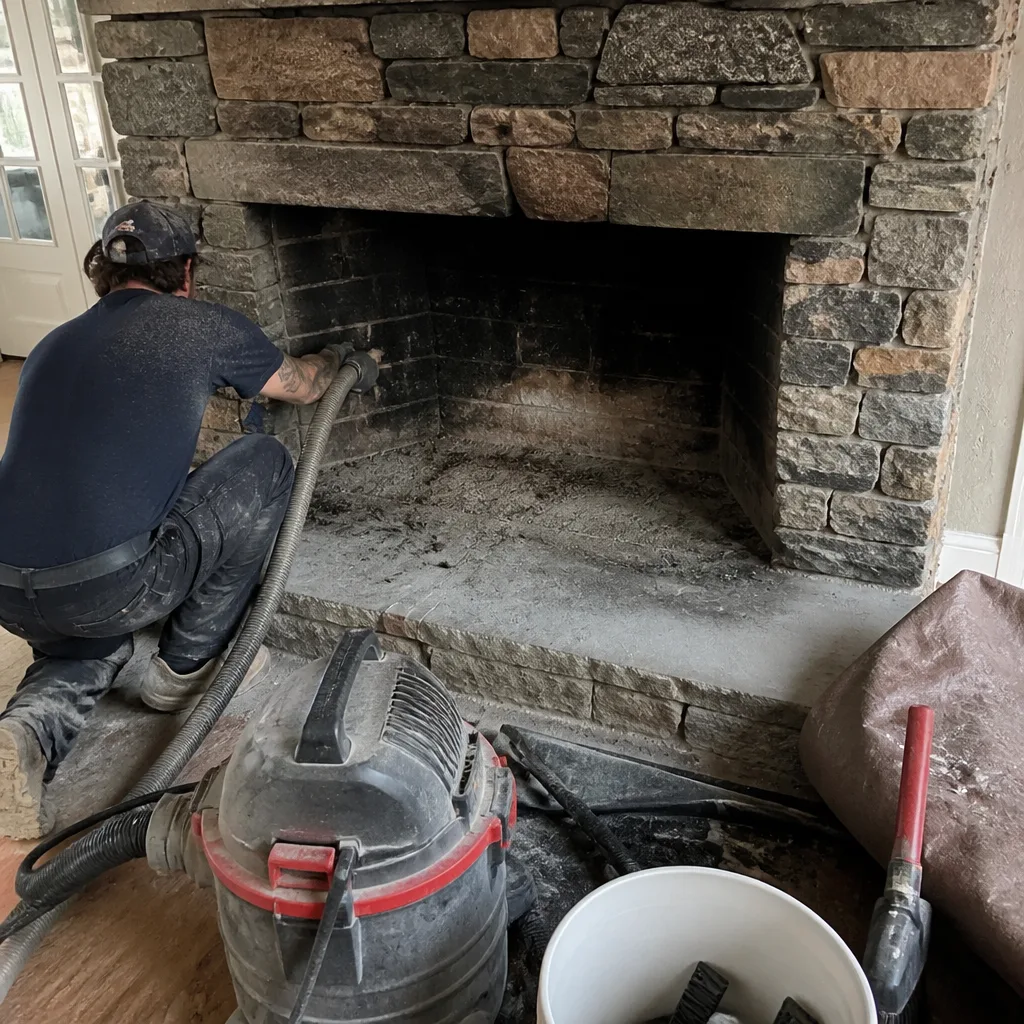 Before
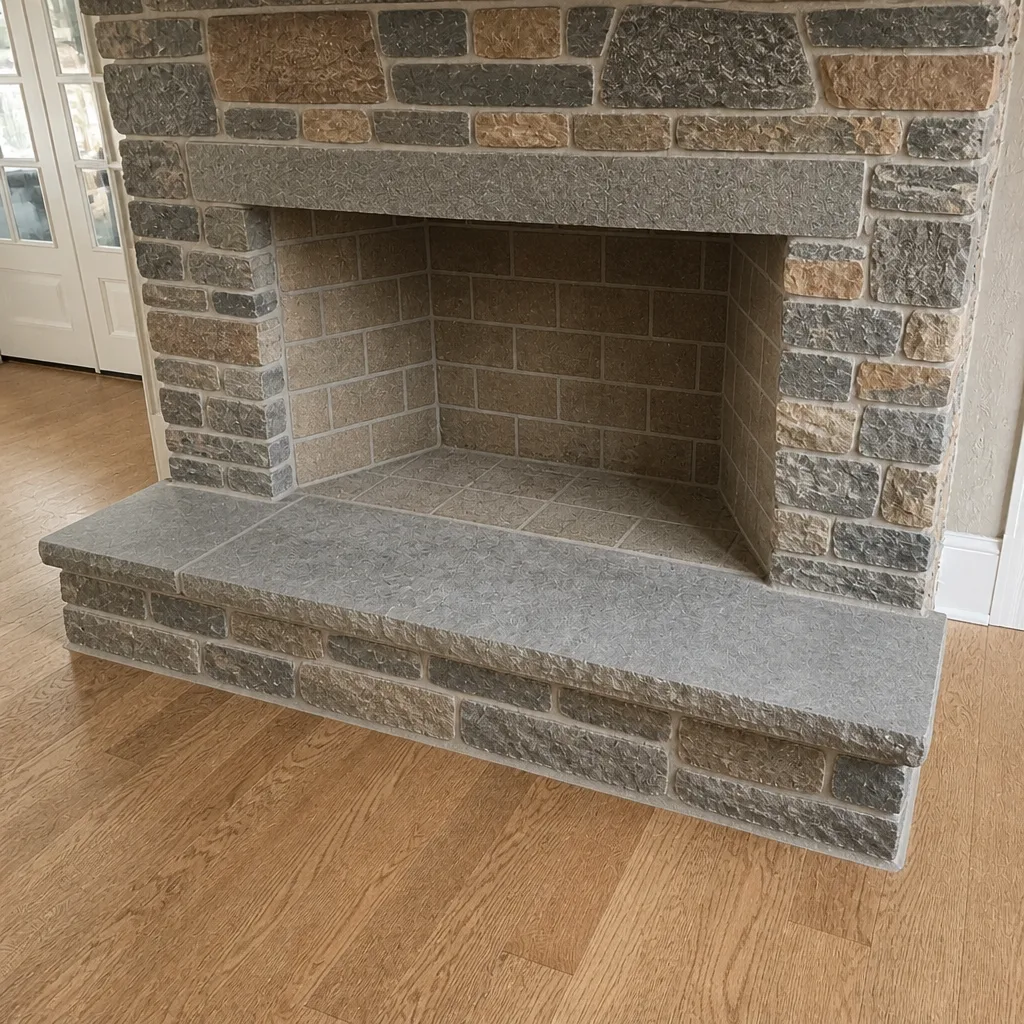 After
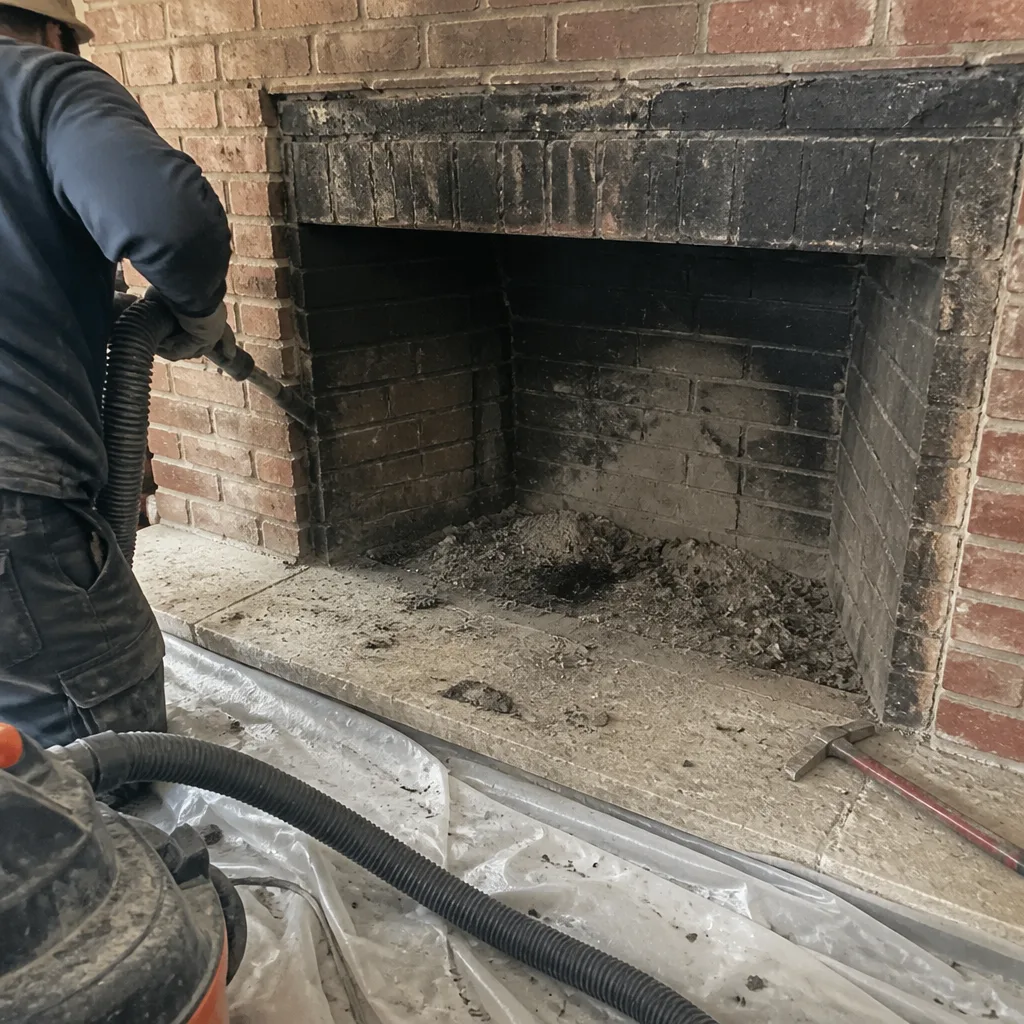 Before
 After
 Before
 After
When to Call a Professional
Some chimney care you can handle yourself, like keeping an eye on the crown from the ground and scheduling the seasons. Some you shouldn’t. Call a professional if you notice smoke rolling back into the room, a strong exhaust smell, spalling brick or a crumbling crown, water staining inside the firebox, or any sign that a bird or animal is in the flue. Call before the first fire if it’s been more than a year since your last sweep, and call in March if you want the post-season inspection that sets up the rest of the year. A structured inspection gives you a documented condition assessment, independent of any repair work, so you know what you’re dealing with before anyone recommends a fix. Chimney Sweep NoDa offers free estimates in NoDa. Call (844) 625-7169. We answer 24/7. Fast dispatch from 7am to 7pm, Sunday through Friday. Our technicians have up to 13 years of experience, and we work from cap to firebox so findings and repairs stay in the same hands.
Frequently Asked Questions
Once a year is the standard baseline for a chimney in regular use, and in NoDa it’s best done before the first fire of the season. If you burn frequently or use unseasoned wood, you may need a mid-season cleaning. The annual inspection is separate and just as important, because it catches crown, cap, and damper issues a sweep won’t. Call (844) 625-7169 for a free estimate.
Yes, and spring is when it matters most. An uncapped flue is a ready-made nesting cavity for swifts, starlings, and squirrels, and the material they leave behind is combustible. A proper cap with a screen keeps animals and rain out and lets exhaust through. Time the install for after nesting season if birds are already established. Call (844) 625-7169 to talk timing.
The first fire reveals off-season deterioration through sound, smell, and smoke behavior. Loud popping, a strong acrid smell, or smoke spilling into the room all point to a problem like a blockage, a damaged flue, or a stuck damper. If any of these show up, stop using the fireplace until it’s inspected. Call (844) 625-7169 for a free estimate. We answer 24/7.
Not if the nest is active. Chimney swifts are protected and North Carolina wildlife rules restrict disturbing an occupied nest, so removal has to wait until the birds have fledged. Even abandoned nesting material needs professional removal and a cleaning before you cap. Call (844) 625-7169 and we’ll assess the situation before anything is disturbed.
Sometimes it can be repaired. When a flue is damaged but structurally sound, a HeatShield ceramic resurfacing system can restore it without a full replacement. When the damage is more severe, a DuraFlex flexible liner is the fix. The difference comes down to conditions found during inspection, not guesswork. Call (844) 625-7169 for a free estimate and a documented assessment first.
Pricing depends on the flue, the condition, and what’s found during inspection, so it’s set per job by a written estimate. That estimate is free, and nothing is recommended without evidence you can see. A sweep and a full inspection are separate services, so ask for both. Call (844) 625-7169 for an exact quote. We answer 24/7, with fast dispatch from 7am to 7pm, Sunday through Friday.
The Bottom Line
In NoDa, chimney care is a year-round job, not a fall errand. The humid summer is when mortar and crowns take their worst beating, spring is when wildlife moves in, and the first cold snap is when water in the cracks does the most damage. The October sweep is one piece of the picture, and by then the setup work is already done. Build the calendar around the actual seasons, do the March inspection, cap after nesting, watch the first fire, and check after freezes. If something looks off, get it assessed before the next season compounds it. That rhythm keeps a small fix from becoming a large one. If you’d like a second set of eyes on the whole system, remove concerns by booking a sweep and a structured inspection, and call (844) 625-7169 for a free estimate.
Written by the team at Chimney Sweep NoDa.